

Historical Perspective: How Weddings Evolved into Budget Busters
From Modest Ceremonies to Lavish Affairs
A century ago, weddings were intimate family gatherings with modest budgets. Couples often married in their local church or backyard, followed by a homemade meal with close relatives. The idea of spending tens of thousands of dollars on a single day would have seemed extravagant, if not absurd. Fast forward to today, and the wedding industry has ballooned into a multi-billion-dollar machine, fueled by social media, competitive aesthetics, and consumer expectations. The rise of Pinterest-perfect dreams and cinematic wedding videos has added pressure to spend big—even if it means dipping into emergency funds or going into debt. Understanding this shift helps us see that a beautiful wedding doesn’t have to equal financial sacrifice. In fact, reclaiming the simplicity of past generations can inspire more affordable wedding planning without compromising joy or meaning.
Foundational Principles: Building a Wedding Savings Plan That Works
Balance, Priorities, and Smart Choices
When it comes to figuring out how to save for a wedding without draining your bank account, it all starts with clarity. First, sit down and define what matters most to you and your partner: Is it the venue, the dress, the food, or maybe the honeymoon? Once you’ve nailed down your priorities, create a wedding savings plan that aligns with your actual income and lifestyle. Aim to set aside a fixed amount each month, treating it like any other recurring expense. One useful tip: open a separate high-yield savings account specifically for wedding expenses. This helps you track progress and avoid temptation. Also, embrace the “50/30/20” rule: 50% needs, 30% wants, 20% savings—including your wedding fund. These wedding budget tips aren’t just theory—they’re practical tools to keep your finances in check while still planning your dream day.
Creative Implementation: Unique Ways to Cut Wedding Costs
Think Outside the Aisle
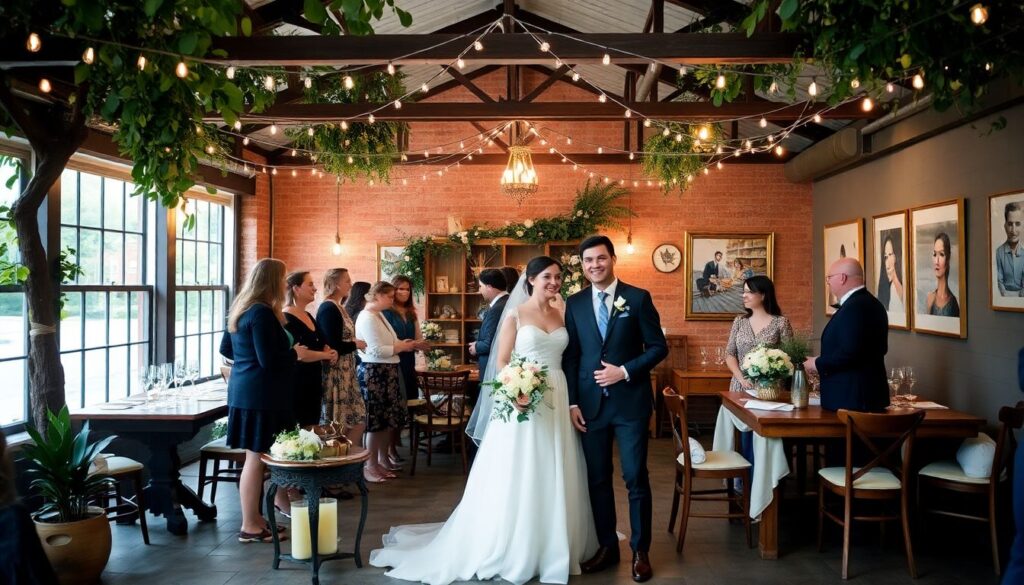
You don’t have to settle for cookie-cutter solutions when it comes to affordable wedding planning. Here are some unconventional strategies that couples have used to celebrate without breaking the bank:
1. Venue Hacking – Instead of pricey hotels or banquet halls, consider public parks, art galleries, or even Airbnb properties with scenic views. One couple hosted their wedding at a local botanical garden and paid only a small permit fee.
2. Crowdsource Talent – Tap into the skills of friends and family. Maybe your cousin is a talented baker or your college roommate is a budding photographer. You’ll save money and add a personal touch.
3. Non-Saturday Ceremonies – Choosing a weekday or Sunday can significantly reduce venue and vendor costs. A Thursday evening wedding? Why not!
4. Minimalist Decor – Use seasonal flowers, thrifted vases, or even potted plants you can later gift or reuse. One bride used wildflowers from a nearby field and created stunning centerpieces.
5. Skip the Sit-Down Dinner – Consider a cocktail-style reception with passed hors d’oeuvres or food trucks. It’s trendy, less formal, and easier on the wallet.
These approaches not only cut wedding costs, but also encourage creativity and authenticity. Your celebration should reflect your values, not just your credit limit.
Common Misconceptions: What People Get Wrong About Wedding Savings
Debunking the “Bigger is Better” Mentality

One of the biggest myths around weddings is that spending more guarantees a better experience. But throwing money at every detail doesn’t equal happiness. In fact, research shows that couples who spend less on their wedding tend to have longer-lasting marriages. Another misconception is that you must stick to traditional timelines, like a 12-month engagement. In reality, extending your engagement can give you more time to save and plan strategically. People also believe that DIY always saves money—but that’s not always true. If you end up buying tools and supplies you’ll never use again, or if stress leads to last-minute vendor bookings, you might end up spending more. Lastly, many couples underestimate the value of a solid wedding budget plan. Without one, it’s easy to overspend on things that don’t actually matter to you. Avoid these traps by staying informed and intentional.
Conclusion: Celebrate Love Without Compromising Your Future
In the end, your wedding should be a joyful milestone, not a financial setback. By understanding the history, applying smart budgeting principles, and embracing creative solutions, you can plan a meaningful celebration without sacrificing your long-term savings. Whether it’s through a well-structured wedding savings plan or innovative ways to cut wedding costs, the goal is the same: to start your marriage on solid financial ground. Remember, love doesn’t come with a price tag—but peace of mind? That’s priceless.