
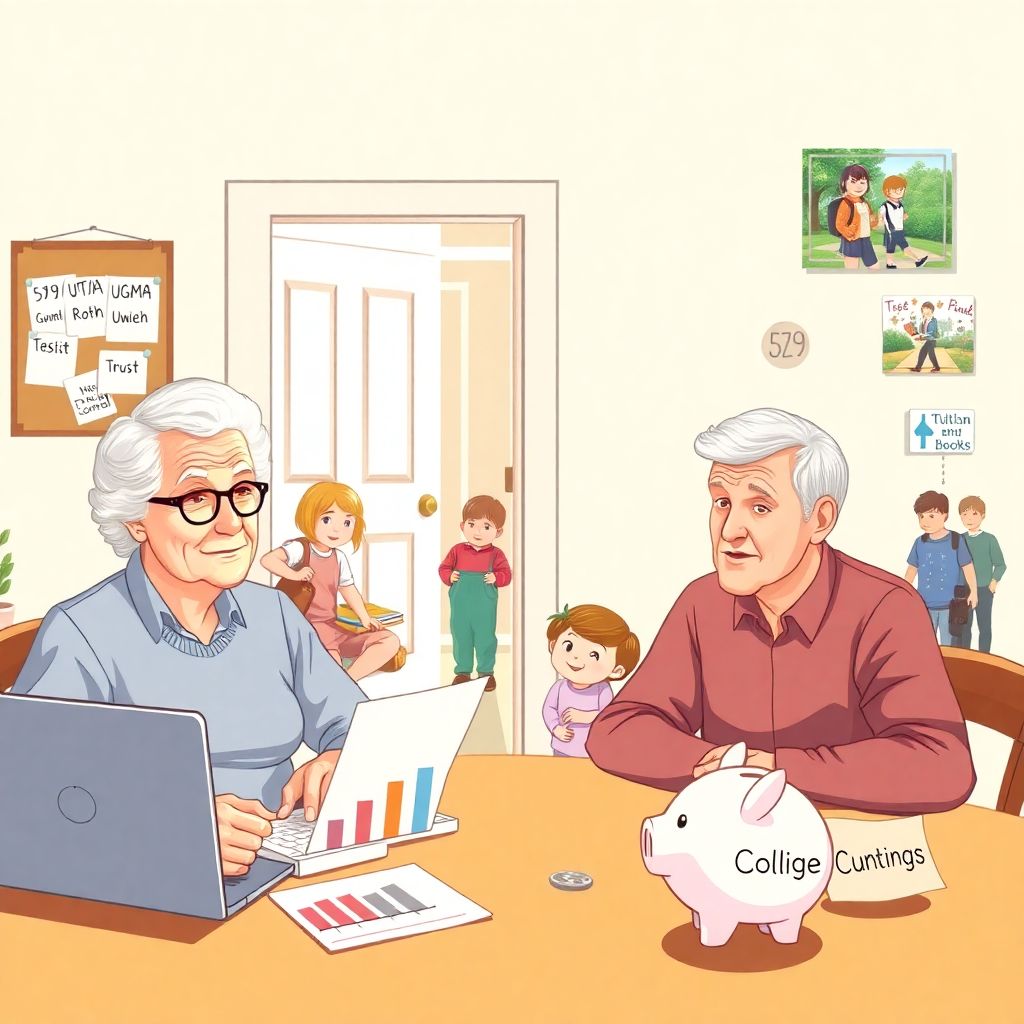
Why grandparents are thinking about college savings again
Saving for a grandchild’s education used to mean slipping a $50 bill into a birthday card or starting a small savings account at the local bank. Now college tuition looks more like a mortgage, and even nursery schools post their fees online. Many grandparents suddenly feel that if they don’t step in, their kids and grandkids could drown in loans. At the same time, the world of education savings has become full of jargon: 529 plan for grandchildren, custodial accounts, Coverdell, Roth IRA, trusts. It’s easy to get overwhelmed and do nothing at all. Let’s calmly walk through where 529 plans came from, how they work, what the realistic alternatives are, and where people most often misunderstand the rules, using real‑life style examples instead of dry theory.
From small state programs to a national tool: a short history of 529s
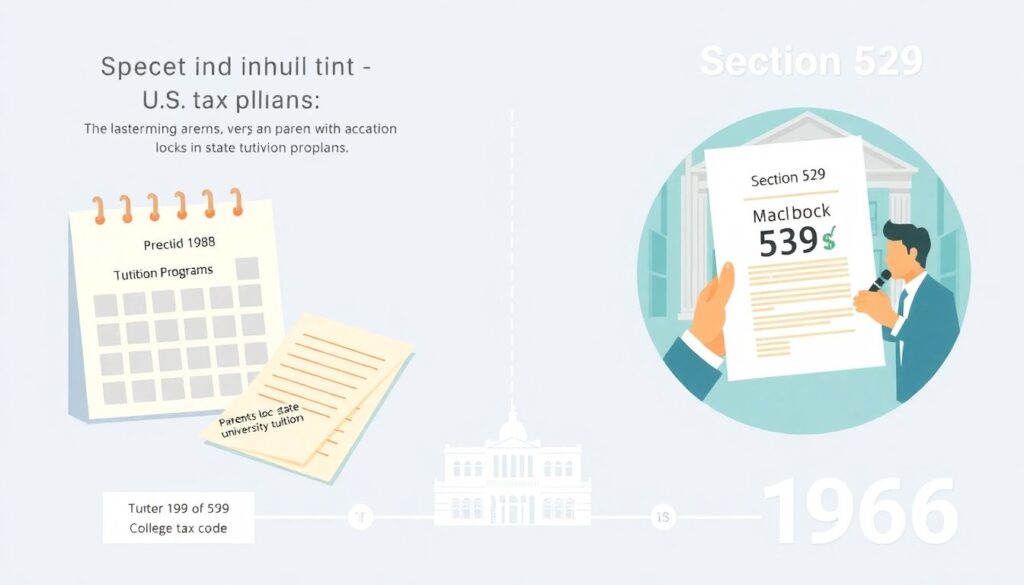
529 plans are relatively young in the grand scheme of financial tools. In the late 1980s, a few states started “prepaid tuition” programs, basically letting parents lock in state university tuition in advance. In 1996, Congress created Section 529 of the tax code, which is why we call them 529 plans today. At first, they were narrow: limited uses, confusing rules, and not much flexibility if the child didn’t go to college. Over time, laws became friendlier—Congress allowed tax‑free withdrawals for broader education expenses and more types of schools, and even allowed changing beneficiaries among family members. That evolution is why many advisors now call a good 529 the best college savings plan for grandchildren, not because it’s perfect, but because the tax benefits and flexibility have improved dramatically compared to what your own parents had when they tried to save for you.
Basic principles: how a 529 works in plain language
A 529 is basically a tax‑favored investment account dedicated to education. You open it in your name (as the account owner) and name your grandchild as the beneficiary. You put money in after tax, just like a regular brokerage. The difference is what happens next: the money grows without you paying yearly tax on dividends and capital gains, and if it’s later used for qualified education expenses—tuition, required fees, many room‑and‑board situations, and some K–12 and apprenticeship costs—the withdrawals are tax‑free. You control the account the entire time: you decide when to take money out, which grandchild is listed as beneficiary, and even whether you want to change that beneficiary to another family member later. For grandparents, that control matters, because you can help with college without handing a teenager free access to a big pot of cash at 18.
How to open a 529 plan for a grandchild step by step
Opening a 529 is much less complicated than people think, and you don’t need to live in the same state as your grandchild to start one. Most plans are accessible online in about 20–30 minutes. You’ll give your information as the account owner, your grandchild’s name and Social Security number as beneficiary, and choose an investment option—often an age‑based portfolio that gradually shifts from stocks to bonds as the child gets closer to college. For grandparents, this is often the easiest route: “set it and mostly forget it,” with periodic contributions for birthdays and holidays. When people ask how to open a 529 plan for a grandchild, advisors usually suggest: compare your home state’s plan to a few well‑rated national options, check whether your state offers a tax deduction or credit, then start with a comfortable monthly amount rather than waiting to make one perfect large contribution “someday,” which often ends up being never.
Real‑life case #1: the “Christmas instead of toys” grandparents
Take Linda and George, both in their late sixties, with three grandkids under ten. They noticed every Christmas ended the same: piles of toys, many ignored by February, while their daughter quietly stressed about student loans and daycare costs. They decided that each Christmas and birthday, they would give one small, fun gift plus a contribution to a 529 plan for each child. They opened three separate 529s, one for each grandchild, and set up a modest automatic transfer every month. Over ten years, those regular contributions, plus occasional windfalls like tax refunds and a small inheritance, grew into meaningful balances. When the oldest grandchild started community college, the account covered tuition and books without touching student loans. Linda later said the best part wasn’t the tax savings—it was that the kids grew up understanding “Grandma and Grandpa’s college fund” as a family project, not as something magical that would appear at the last minute.
529 vs custodial account for college savings: what’s really different
Many grandparents hear about UTMA or UGMA accounts—custodial accounts where an adult manages money for a minor—and wonder how they stack up. When you compare 529 vs custodial account for college savings, a few differences jump out. Custodial accounts are more flexible in use: the money can eventually be spent on almost anything that benefits the child, not just education. But when the child reaches the age of majority (18 or 21 depending on the state), the money legally becomes theirs, and they can choose to spend it however they want, including a sports car or a risky business idea. A 529, by contrast, keeps control in the hands of the account owner—you. Withdrawals are tax‑free only for qualified education expenses, but if your grandchild gets a scholarship or decides on a cheaper path, you’re not stuck: you can change the beneficiary to another grandchild or even to yourself if you want to take courses later. For many grandparents who prioritize both education and control, that trade‑off is decisive.
Other routes: 529 plan alternatives for education savings
Even though 529s are powerful, they are not the only choice, and sometimes they’re not the main one. The most common 529 plan alternatives for education savings include Coverdell Education Savings Accounts (with lower contribution limits but slightly broader K–12 uses), Roth IRAs (where you can withdraw contributions at any time and even earnings for education in some cases, though that can affect your own retirement security), simple taxable investment accounts in your own name, and the classic custodial account. Some higher‑net‑worth families set up trusts with specific education provisions, giving long‑term control and protection from misuse. The right mix often depends on how much you intend to save, your state’s tax rules, your age and retirement status, and how strongly you want to tie the money to education versus giving grandchildren more general financial flexibility in adulthood.
Real‑life case #2: when a custodial account made more sense
Consider Mark, a retired engineer with one granddaughter, Emma. He deeply cared about education but also wanted Emma to have seed money for adult life—maybe grad school, maybe a down payment, maybe a business. Instead of going all‑in on a 529, he split his strategy. Half went into a 529 for tuition, taking advantage of tax‑free growth. The other half went into a UTMA custodial account. When Emma turned 19, she used part of the custodial funds to cover an unpaid internship in another city—something a 529 couldn’t help with because it wasn’t a formal education expense—and saved the rest as a starter fund after graduation. Mark accepted that she would gain full control of that custodial account, but he used the years leading up to that moment to talk about budgeting, investing, and long‑term planning. For them, the blended approach beat choosing one tool and forcing it to fit every possible future.
Is a 529 always the best college savings plan for grandchildren?

For many grandparents, yes, a good 529 is the backbone of the strategy, but “best” still depends on your goals. If your main priority is maximizing the amount that lands in a college bursar’s office with minimal tax drag, and you’re moderately confident your grandchild will pursue some kind of post‑secondary education, a 529 plan for grandchildren is hard to beat. The combination of tax‑free growth, relatively high contribution limits, and the ability to change beneficiaries sets it apart. But if your grandchild has special needs, is highly likely to skip traditional education, or your own retirement is not yet secure, pouring everything into a 529 might be too narrow or too risky. In those cases, a mix—some 529, some regular investments, maybe some debt pay‑down for your children—can give the family more flexibility while still building an education cushion.
Common misconceptions grandparents run into
One persistent misconception is that 529s “lock up” money forever. In reality, you can take nonqualified withdrawals at any time; you’ll just owe tax and usually a 10% penalty on the earnings portion, not on your original contributions. Another confusion point is financial aid: people often say “a 529 will ruin my grandchild’s chances at aid.” The truth is more nuanced. A 529 owned by a parent is treated as a parent asset in the federal aid formula, which is far more favorable than assets in the student’s name. Grandparent‑owned 529s used to be more problematic because distributions could count as student income, but evolving rules have started to reduce that impact. A third misconception is that if one grandchild doesn’t go to college, the money is wasted. In fact, you can usually change the beneficiary among siblings, cousins, or even back to yourself. Knowing these points helps you use the tool confidently instead of avoiding it based on outdated rumors.
Real‑life case #3: fear of “picking the wrong grandchild”
Sarah and her husband had five grandchildren and a modest inheritance to share. She secretly worried: what if we open a 529 for the oldest, and he decides not to study, while the younger ones turn out to be bookworms? She almost did nothing out of this fear of “unfairness.” After talking to a planner, she learned she could open a single 529 with one grandchild as the initial beneficiary, grow the funds, then later split the account or change beneficiaries as each child’s path became clearer. They started with the oldest, but when the second grandchild showed strong academic interest, they shifted part of the beneficiary assignment. In the end, three of the five went to college and used the majority of the funds; one pursued a trade apprenticeship that qualified for partial use; one went straight into work, so his “share” got reassigned. Sarah was relieved to learn that she wasn’t making a permanent, irreversible bet when she filled out the first form.
Practical game plan if you’re just starting
If all this still feels like a lot, break it down into small, realistic steps instead of trying to design a perfect lifetime plan on day one. A simple approach many financial planners recommend looks like this:
1. Clarify your priority: helping with tuition, reducing your kids’ loan load, or giving general financial help later.
2. Check whether your state offers a tax break for contributions to its own 529 plan; if yes, that plan becomes the default candidate.
3. Decide on an amount you can contribute regularly without harming your retirement, even if it’s only $25 or $50 a month per grandchild.
4. Open one 529 and get comfortable with how statements, investment choices, and online access work before adding more accounts or complexity.
5. Revisit the plan every year or two as you see how your grandchild develops, what college costs look like, and how your own finances evolve.
Final thoughts: blend tools, not just love, across generations
Saving for a grandchild’s education is less about choosing one perfect product and more about matching tools to values. A 529 can be a powerful centerpiece, letting money grow efficiently and signaling to your family that education matters. Custodial accounts, Roth IRAs, or even plain investment accounts can fill in the gaps where flexibility or broader life goals matter more than tax perks. Grandparents who combine clear communication—“this is for your future learning”—with consistent, manageable contributions usually end up having the biggest impact, even if they never max out a plan. In the end, your grandchild will remember less the exact account type, and more that someone believed in their potential early enough to start planning for it.