
Why grant budgeting matters in 2025
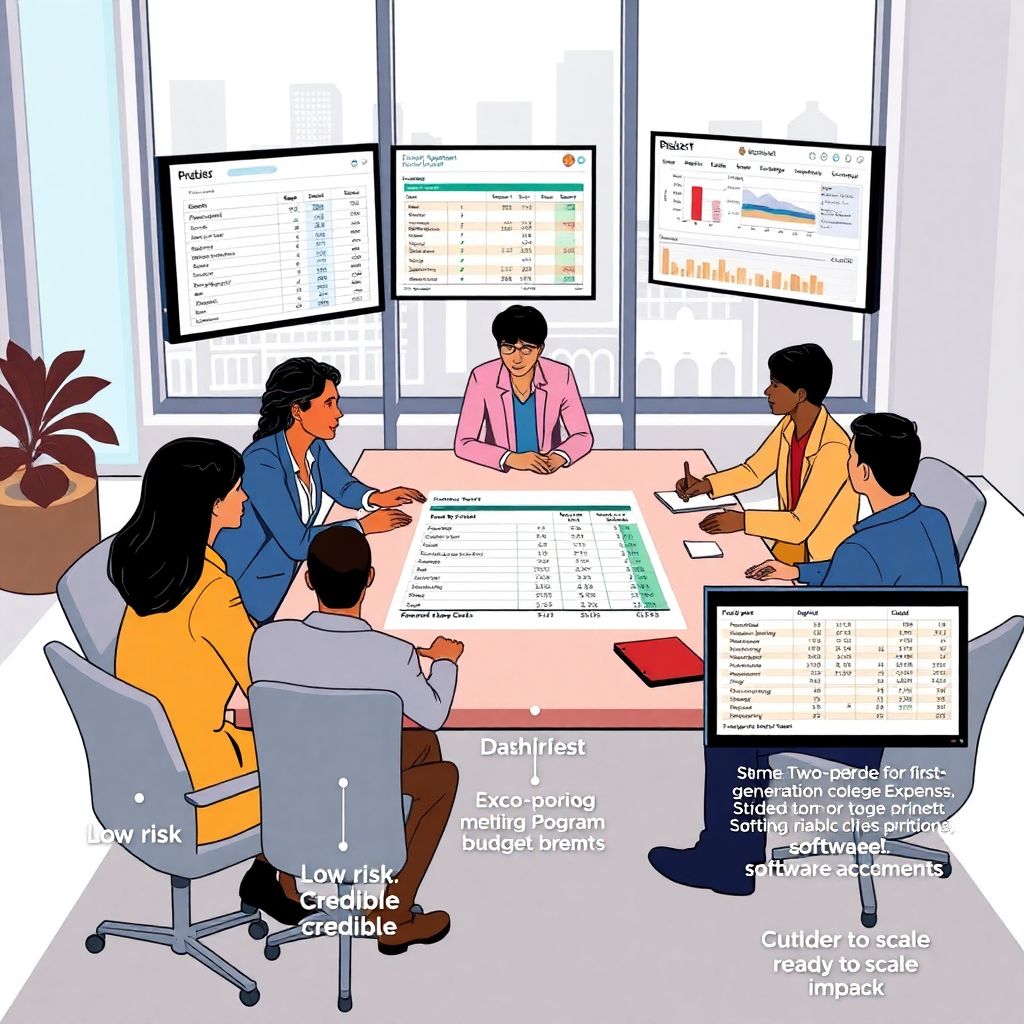
If grant money feels unpredictable, you are not imagining things. Over the last three years the pressure to prove that every grant dollar is well managed has grown steadily. According to Giving USA and Candid trend reports, US foundation and corporate grantmaking has stayed in the tens of billions of dollars annually from 2021 through 2023, but funders report tightening oversight, asking for more detailed budgets and outcome data. At the same time, nonprofit finance surveys between 2022 and 2024 keep repeating one theme: roughly a third to a half of nonprofits say they are operating with less than three months of cash on hand. That combination—lots of grant money in circulation and thin operating reserves—means a sloppy budget can seriously hurt your organization, even if the project itself is brilliant. Budgeting for a grants‑funded project is no longer just an administrative checkbox; it is how you show funders you are low risk, credible and ready to scale impact without sliding into deficit or burnout for your team.
Essential tools and setups before you touch the money
Before you open a spreadsheet or install anything fancy, you need a simple toolkit and a shared language around money. Start with a clear chart of accounts in your accounting system, so that when you later track staff time, supplies or travel, those costs have logical “homes” that map back to the grant budget. Layer on a practical grant budget template for nonprofits that matches how your funders think: usually by major cost categories like personnel, fringe, travel, equipment, direct program expenses and indirect or administrative costs. This can be a spreadsheet you adapt for every new award, but it should be consistent across the organization so finance, program and fundraising staff are not reinventing the wheel every time and arguing over what “program support” means. Over the last three years, adoption of digital tools has jumped; grant managers who were once doing everything in Excel are increasingly moving to cloud systems, especially as remote work became normal and boards started asking for real‑time dashboards and cleaner reports.
Using software and support without overcomplicating things
Once your basic framework exists, technology can actually make budgeting calmer rather than more confusing. Modern grant management software for budgeting lets you connect proposals, award letters, budgets, reports and supporting documents in one place, so you can see, for example, that the youth program grant from Foundation X allows laptops but not furniture, or that a no‑cost extension was approved and your spending window is now 18 instead of 12 months. Some platforms sync directly with your accounting system, reducing manual data entry and copy‑paste errors, which is vital when you are juggling multiple grants with different fiscal years. If that sounds overwhelming, you do not have to jump to a big system right away; even small organizations can start with a shared online spreadsheet, a naming convention for files and a monthly calendar reminder to reconcile actuals to budget. Where internal capacity is thin, some nonprofits increasingly lean on external bookkeepers or grant writing services for project budgeting support: they help translate narrative plans into numbers and check for compliance issues like caps on indirect costs or restrictions on staff training.
Step‑by‑step: how to budget a grant funded project
Picture a fresh project idea: say, a two‑year mentoring program for first‑generation college students. The first step is to pin down what success looks like in concrete terms—how many students, how many sessions, what outputs you will track—because your budget must mirror that story. Next, map the work into activities: outreach, training mentors, running sessions, evaluation. For each activity, list what it literally takes to do the work: people, time, space, tools, travel, technology. This is where you quietly build a timeline and a staffing plan without calling it that. Then you translate that operational sketch into numbers: how many hours per week for the coordinator, what percentage of their salary, how many bus passes per student, how many laptops or software licenses and how often they renew. Revenue assumptions matter too; if you expect part of the program to be covered by participant fees or individual donations, record those alongside the grant request to show the funder this is not a one‑source gamble. When people wonder how to budget a grant funded project, the piece they skip is usually the time it takes to get started and to close out, like curriculum development or final reporting, so explicitly include those phases as budget lines rather than treating them as invisible “extra work.”
Building your sample grant project budget breakdown
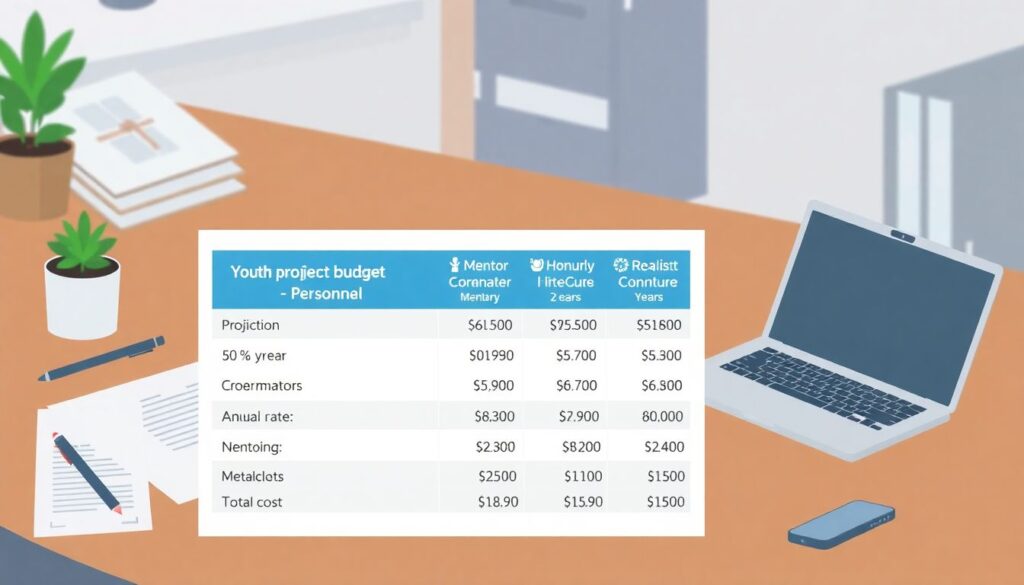
To make this less abstract, imagine you are preparing a sample grant project budget breakdown for that mentoring program. You begin with personnel: project manager at 50 percent time for two years, mentor coordinator at 30 percent and some hourly mentors. You attach each position to a real salary level and then add legally required benefits and any standard fringe your organization offers, such as health insurance or retirement contributions. Then you move to operating costs: room rentals if you do not have your own space, snacks for sessions, printing outreach materials and a modest line for program supplies like notebooks or whiteboard markers. Technology appears next, covering a shared database subscription, video‑conferencing accounts and a basic evaluation tool; those licenses often renew annually, so your budget must match the correct fiscal year. Travel and transportation include bus passes or mileage reimbursement, with assumptions spelled out in the budget notes. Finally, you calculate indirect costs: either a fixed overhead percentage your funder allows, or, if you have a negotiated rate, you apply that to the appropriate base. Laying it out this way not only yields a clean spreadsheet but also makes your narrative more convincing, because every dollar is visibly tied to real‑world activities that any reviewer can recognize.
Checking realism and aligning with funder rules
A technically correct budget that is divorced from reality will cause pain halfway through the grant. Before submission, sanity‑check your assumptions against recent experience from 2022–2024: have you accounted for inflation in rent, printing and software? Many nonprofits have seen core costs rise faster than their older budgets suggest, especially in urban areas where office space and utilities spiked. Compare your hourly rates to comparable positions your organization or peers actually paid during the last two years, so you do not lock yourself into underpaying staff for the life of the grant. Then cross‑walk your draft numbers against the funder’s guidance: some limit equipment purchases, some dislike large training or travel lines, others cap indirects at 10 percent or require a certain match from your own funds. This is where a flexible grant budget template for nonprofits earns its keep, because you can toggle columns on and off, group lines differently and quickly produce alternate versions without messing up formulas. If you are working with outside grant writing services for project budgeting, ask them to leave behind not just a finished file but also notes on their logic, so you can reuse their thinking next time rather than starting from zero.
Everyday money management once the grant is awarded
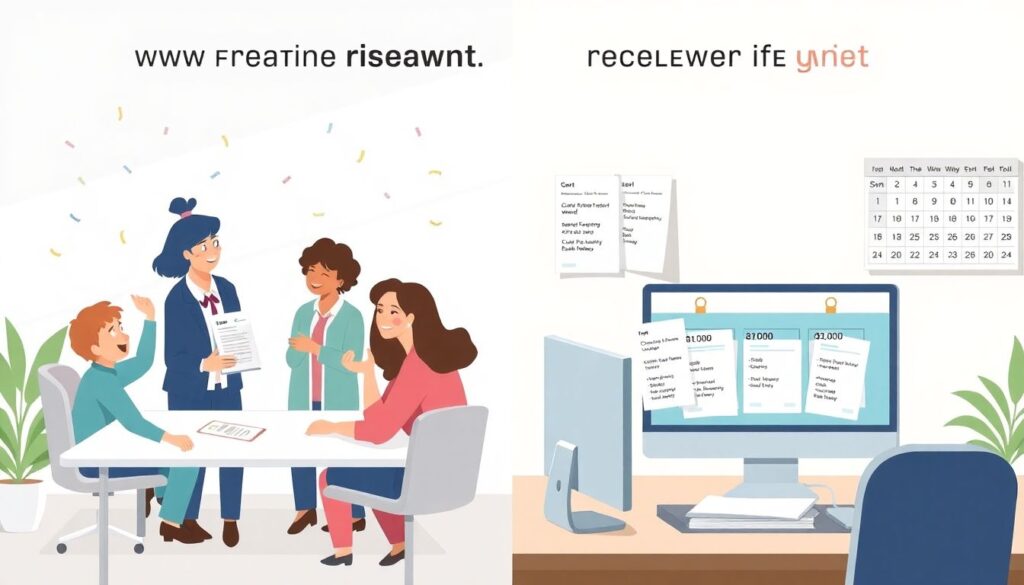
Winning a grant is the fun part; now the slow, disciplined work starts. Set up a unique identifier—either a class, job or project code—in your accounting system for each award, so every expense can be tagged to the correct pot of money. Build a simple monthly rhythm: the program lead and finance person sit down with the live numbers, compare budgeted versus actual spending and flag surprises. Over the last three years, more boards have begun asking for this kind of grant‑level visibility, especially after the volatility of the pandemic and recovery years, so having this discipline makes leadership conversations less stressful. When you see underspending, you still have time to adjust activities or ask the funder for a reallocation; when you notice overspending, you can quickly decide whether to absorb the extra from general funds or to scale back. Try to avoid “June panic,” the rush to spend down funds in the final month of the grant, by planning large purchases earlier in the cycle and spreading recurring costs more evenly. And remember to track in‑kind contributions like volunteer hours or donated space, because many funders want those documented in both narrative and financial reports.
Troubleshooting common grant budgeting problems
Even with a careful plan, things go sideways. A classic headache is staff turnover: if your key coordinator leaves, you may underspend on salary for several months but overspend on temporary help or recruitment costs. Instead of hiding that, document the story and talk to the funder early; most have seen similar situations repeatedly in 2022–2024 as the job market shifted, and they tend to be more flexible when you are transparent and proactive. Another common snag is misalignment between finance and program teams: finance codes an expense to “operations” while the program report calls it “training,” leading to messy reconciliations. Solve this with a simple shared glossary and a one‑page cheat sheet that shows which budget lines map to which accounting codes. Sometimes the obstacle is your own tools: spreadsheets become fragile, multiple versions float around and someone overwrites formulas. If you are routinely wrestling with that problem, it may be time to explore affordable grant management software for budgeting that locks formulas, tracks changes and stores documents centrally. Finally, when a funder changes priorities mid‑stream or you lose a companion grant, revisit the whole multi‑year picture; reforecast not only the current project but also how its staffing and overhead affect the rest of your organization, so you do not save one grant while quietly destabilizing your overall budget.