
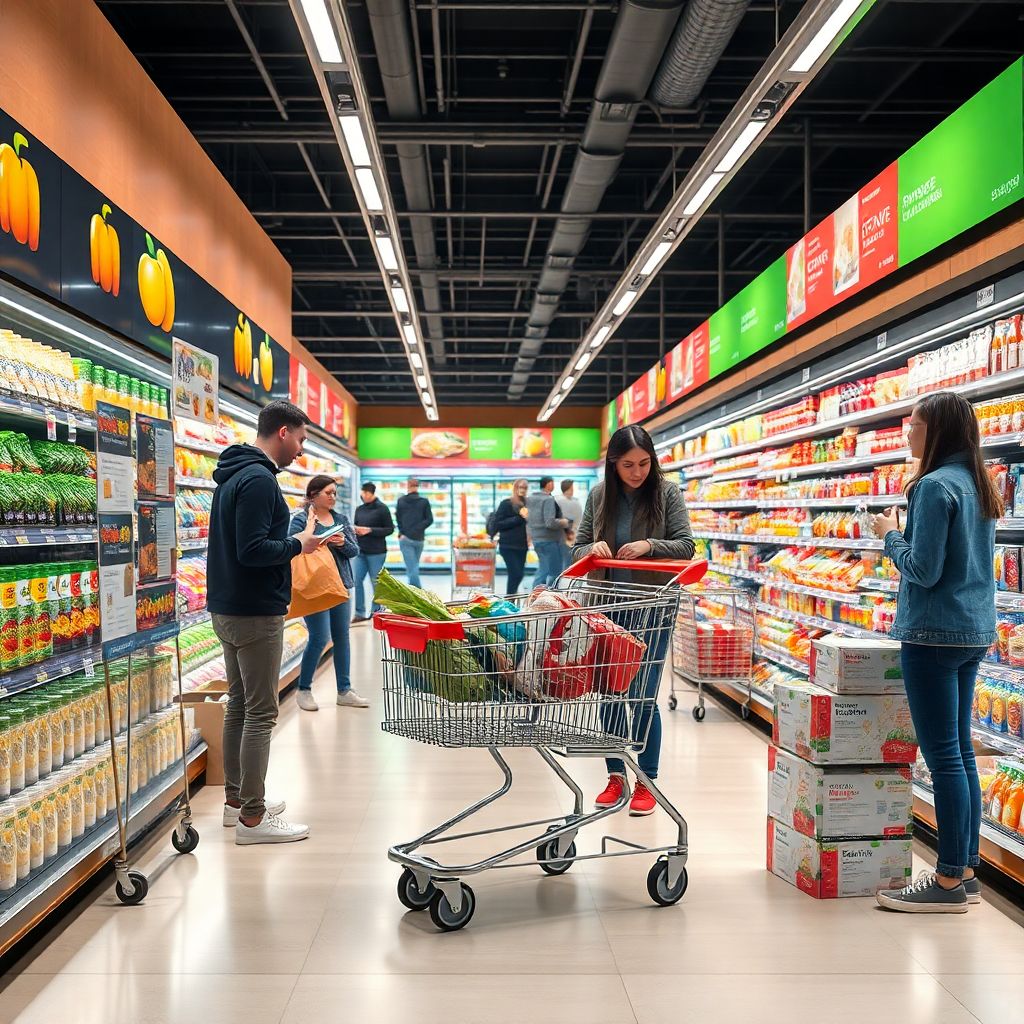
Rethinking the Weekly Grocery Run: Strategic Approaches That Work
For many households, groceries and household essentials represent a significant portion of monthly expenses. While coupons and bulk buying remain common tactics, evolving technologies and shifting consumer behavior have introduced smarter, more dynamic ways to cut costs without compromising quality. This article analyzes various approaches, examines the role of technology, and offers practical guidance for making informed, cost-effective shopping decisions in 2025.
Comparing Cost-Saving Approaches: Traditional vs. Modern
There’s a marked difference between conventional budgeting tactics and modern strategies. Traditional methods such as physical coupon clipping and bulk warehouse purchases are still relevant but less efficient for today’s fast-paced lifestyles.
Modern strategies include:
1. Digital price tracking tools – Platforms like Honey or CamelCamelCamel track historical pricing across retailers, allowing users to buy when prices are lowest.
2. Dynamic shopping lists – Apps like AnyList or Out of Milk help categorize pantry needs, sync preferences across households, and identify promotions.
3. Meal planning based on sales – Rather than crafting a menu first, savvy shoppers build meal plans around store flyers and weekly promotions.
While older strategies are simple and accessible, they often lack personalization and real-time data. In contrast, modern approaches leverage algorithms and crowd-sourced insights to streamline savings.
The Role of Technology: Benefits and Drawbacks
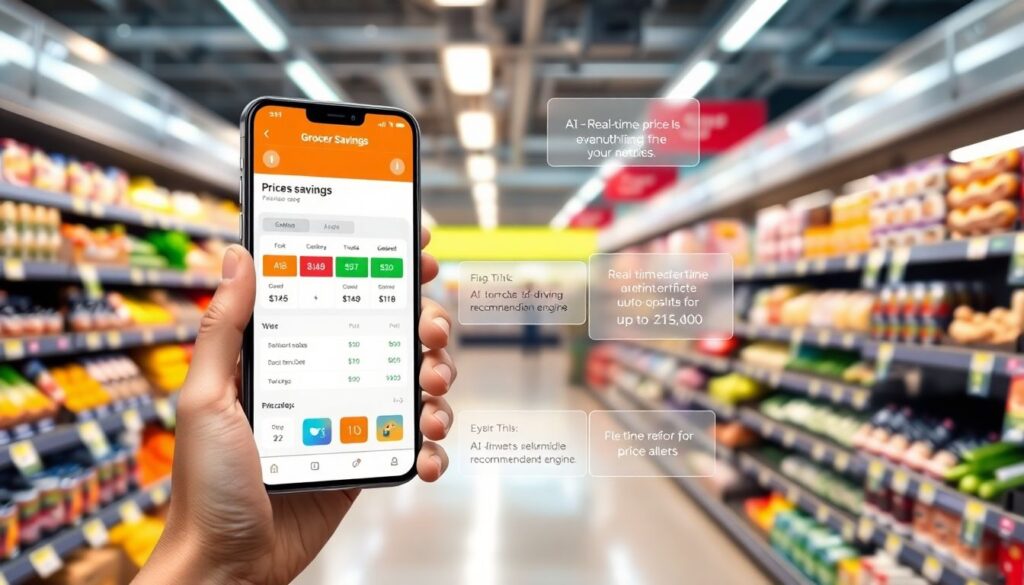
Technological solutions have transformed savings from manual labor to automated efficiency. Price comparison apps, loyalty card integrations, and AI-driven recommendation engines now play a pivotal role in controlling grocery bills.
Advantages:
– Real-time updates: Instant alerts for price drops or in-store deals keep users informed.
– Personalization: Apps analyze past purchases to suggest relevant offers.
– Time efficiency: Automation reduces planning time, allowing for quicker decisions.
Potential Drawbacks:
– Privacy concerns: Some apps collect user data extensively, raising security issues.
– Overreliance: Trusting algorithms blindly can lead to unnecessary purchases based on “deals.”
– Learning curve: Not all users are comfortable navigating multiple platforms or syncing devices.
Ultimately, technology is a powerful tool—but one that requires mindfulness and digital literacy to maximize its value.
Expert Recommendations for Smart Shopping
To optimize spending on groceries and household essentials, a hybrid approach—blending digital tools with conscious consumption—is ideal. Here are five expert-backed recommendations:
1. Set a flexible budget: Allocate a monthly limit that allows for seasonal fluctuations or stockpiling opportunities.
2. Embrace store loyalty programs: Many now offer app-based rewards, digital coupons, and personalized discounts.
3. Use cashback platforms: Apps like Rakuten or Fetch Rewards offer rebates for uploading receipts or shopping through affiliate links.
4. Inventory before shopping: Regularly review pantry and fridge contents to avoid duplications and reduce waste.
5. Strategic bulk buying: Focus on non-perishables and household staples with long shelf lives, avoiding bulk perishables unless meal prepping.
Applying these strategies helps balance cost-saving with sustainability and practicality.
2025 Trends: What’s Changing in the Shopping Landscape?
Several trends are redefining how consumers approach grocery and essential purchases in 2025:
1. AI-Driven Smart Carts
Retailers are increasingly integrating AI into physical shopping carts that scan items, apply discounts in real-time, and suggest cheaper alternatives as users walk through aisles.
2. Subscription-Based Essentials

Households are moving toward subscriptions for essentials like cleaning supplies or toiletries. Brands offer discounts for auto-delivery, simplifying restocking while reducing costs.
3. Sustainability-Linked Discounts
Stores are incentivizing eco-conscious behavior—offering discounts for reusable packaging, near-expiring products, or locally sourced goods. Consumers benefit financially while contributing to environmental goals.
4. Community-Based Bulk Buying
Neighborhood co-ops and digital communities allow consumers to pool resources for wholesale purchases, unlocking lower prices usually reserved for businesses.
Conclusion: Making Smart Choices Every Day

Saving on groceries and household essentials in 2025 is less about deprivation and more about informed decision-making. With a mix of technology, strategic planning, and awareness of emerging trends, consumers can not only reduce expenses but also enhance their quality of life. The key lies in staying adaptive—leveraging tools without becoming dependent and aligning spending habits with long-term household goals.