
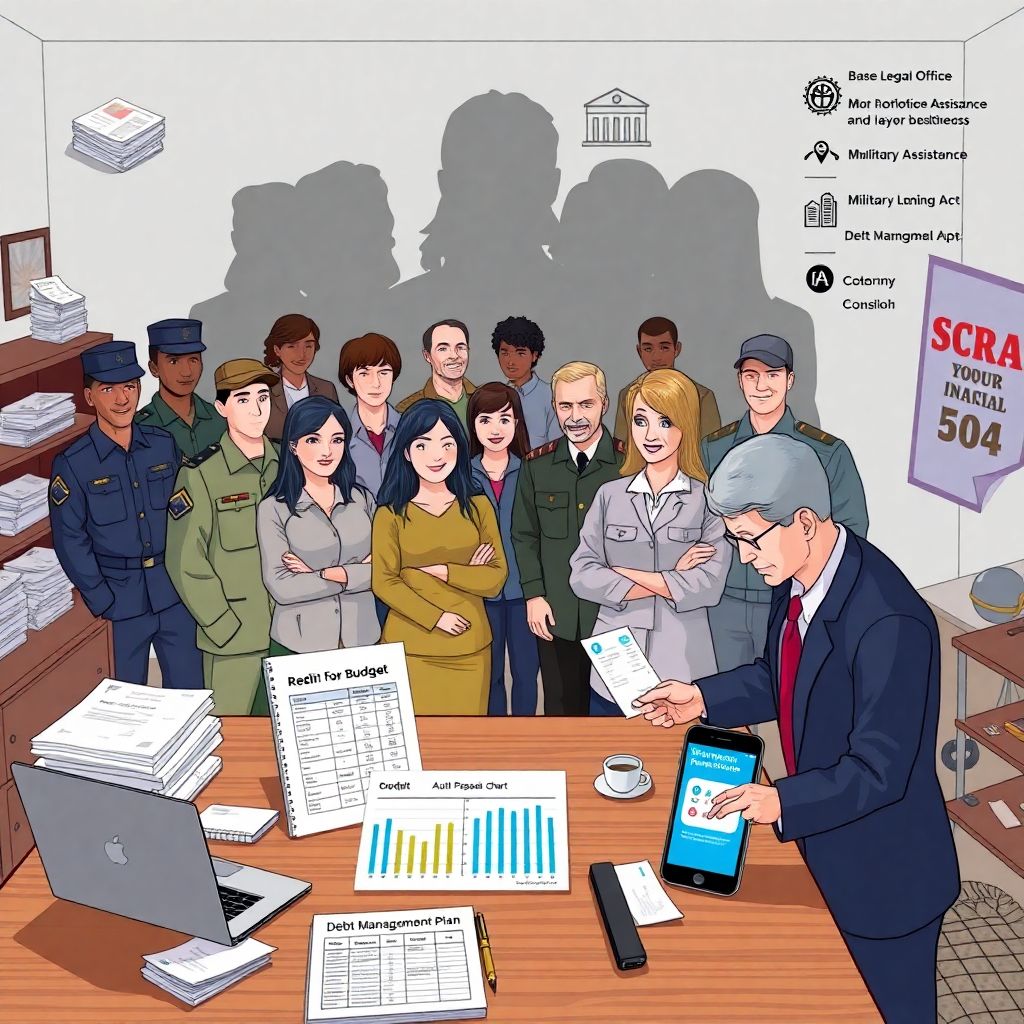
Why debt hits military families differently
If you talk to enough service members, you’ll hear the same quiet worry over and over: “I’m serving my country, so why am I still drowning in bills?” Debt management for military personnel — whether active duty, Guard, Reserve, or veterans — has its own twist. Frequent PCS moves, unpredictable deployments, a spouse struggling to keep steady work, and bonus temptations like “easy” military loans to pay off debt all mix into a risky financial cocktail. Surveys of U.S. military families over the last few years consistently show that around one‑third to almost half report having trouble paying monthly bills on time, and high‑interest credit card or auto debt is usually the main culprit. Add in the fear that money problems might affect a security clearance, and you get a pressure level most civilians never feel.
So this isn’t just “normal” debt; it’s debt under stress, with career consequences and family strain baked in.
Key stats: what the numbers really say
Let’s put some rough numbers on the table so this doesn’t stay abstract. Non‑profit organizations that track military finances regularly find that consumer debt is one of the top three stressors reported by service members and spouses, right up there with deployments and family separation. In recent surveys, roughly 60–70% of military families say they carry credit card balances from month to month, and a meaningful slice of those report rates above 18–20%. Younger enlisted troops (E‑1 to E‑4) are especially vulnerable: many enter the force with little financial education, may have student loans or car loans already, and get targeted by aggressive lenders just outside the base gate. On the veteran side, data from various veterans’ advocacy groups suggest that a sizable minority leave active duty with multiple credit lines, auto loans, and sometimes unpaid medical bills, then face a dip in income during the transition to civilian life.
In short, the numbers back up what you hear in the barracks: the struggle is common, not a personal failure.
Approach #1: DIY budgeting and discipline (the “bootstraps” method)
The first approach many military members try is the classic do‑it‑yourself plan: clamp down on spending, track every dollar, and try to “snowball” or “avalanche” your way out of debt. The avalanche method (paying the highest‑interest debt first) is mathematically efficient, while the snowball method (knocking out the smallest balance first) gives quick wins and motivation. Done right, this can absolutely work. You build a realistic budget around BAH, BAS, special pays and allowances, cut recurring leaks like subscriptions and overpriced car insurance, and then redirect every spare dollar to debt. Some families combine this with short‑term side income — spouse’s part‑time work, gig jobs between drill weekends, or using deployment income spikes to make extra principal payments. The upside is clear: no outside companies, no fees, total control, and you learn money skills that last long after the uniform.
The downside? When interest rates are high and balances are big, sheer willpower often isn’t enough, especially if PCS or emergency expenses keep derailing your plans.
Approach #2: Credit counseling for military families
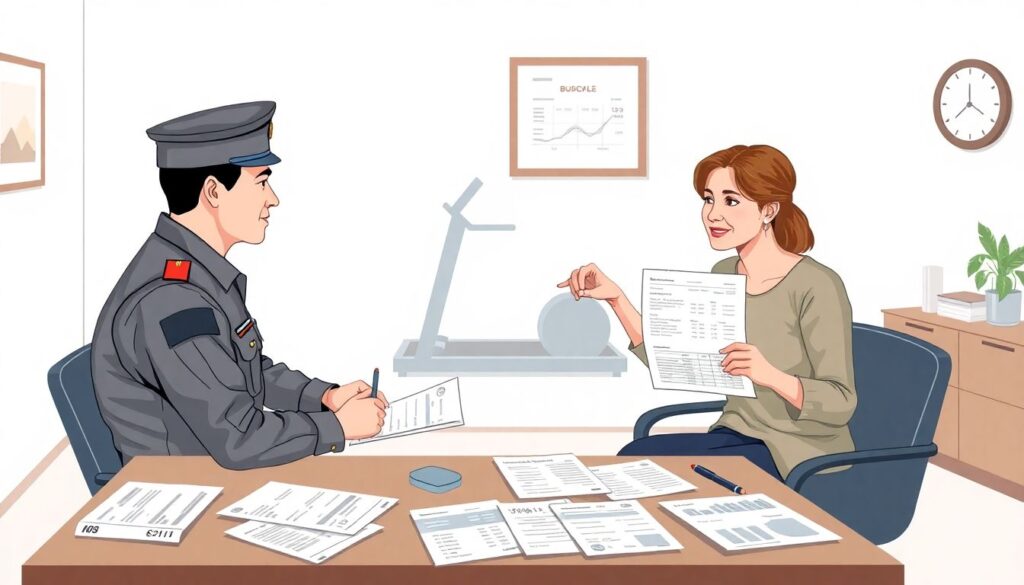
When the DIY plan starts to feel like running on a treadmill, many turn to professional credit counseling for military families. This is typically a nonprofit service where a certified counselor reviews your LES, civilian spouse income, monthly bills, and all your debts. They help you build a realistic budget and, if needed, put you on a Debt Management Plan (DMP). Under a DMP, the counseling agency negotiates with your creditors to try to reduce interest rates, waive some fees, and bundle your payments into one predictable monthly amount. For service members, a good counselor also understands SCRA protections, security‑clearance concerns, and how to work around deployments and PCS moves.
The strength of this route is the structure and advocacy; the main watch‑out is making sure you use a reputable nonprofit, not a for‑profit outfit pretending to be one.
Approach #3: Debt consolidation vs. debt relief programs
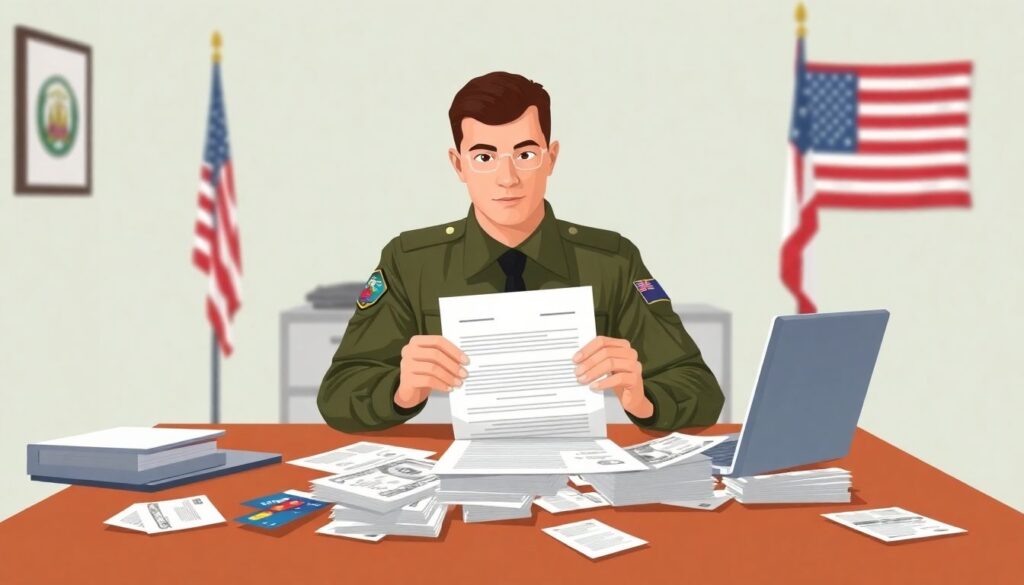
Now let’s talk about the more “industrial‑strength” options: consolidation and formal debt relief. Many banks and specialized firms offer military debt consolidation programs that roll multiple high‑interest debts — usually credit cards and personal loans — into a single new loan, ideally at a lower rate. For a staff sergeant juggling five cards at 24% interest, replacing them with one installment loan at, say, 11–15% can mean hundreds of dollars saved per month and a clear payoff date. For veterans, some of the best debt relief services for veterans bundle financial coaching with consolidation, and may take into account VA benefits income when determining what kind of plan is realistic. On the more aggressive end, debt settlement companies try to negotiate lump‑sum payoffs for less than you owe, but this usually trashes your credit for years and can have tax implications.
So consolidation is more like reorganizing your debt to be payable, while formal “relief” or settlement can feel like surgery — it might save you, but there will be scars.
Approach #4: VA debt management assistance and government tools
There’s also a government‑backed toolbox that many people don’t fully understand. VA debt management assistance mainly kicks in when you owe money related to VA benefits — for example, an overpayment of disability compensation or education benefits. In those cases, you can often set up payment plans, request waivers, or get temporary relief if you’re in real hardship. Meanwhile, the Servicemembers Civil Relief Act (SCRA) can cap certain pre‑service interest rates at 6%, and some creditors voluntarily extend additional perks beyond the law’s minimums. Combine that with base legal offices, personal financial managers on many installations, and various relief societies (Army Emergency Relief, Navy‑Marine Corps Relief Society, etc.), and you’ve got a surprising amount of institutional support waiting to be used.
These tools don’t erase all debt, but they can dramatically lower the pressure if you raise your hand early.
Approach #5: Using military loans to pay off debt — smart or risky?
One tempting option you’ll see in ads and around base is using military loans to pay off debt. On paper, this looks like a clean fix: you take out one larger loan, wipe out all the small balances, and then just pay one bill a month. If the new loan has a significantly lower APR and a fixed term, it can absolutely be part of a solid strategy. The trouble starts when lenders market “military loans” that aren’t really tailored to your benefit; they just slap camouflage on a high‑interest product and hope your steady government paycheck makes it an easy sell. If the rate isn’t much lower than your existing cards — or the term is so long that you pay more in interest overall — you may simply move the problem, not solve it. Plus, if you clear all your cards but don’t fix the underlying spending habits or build an emergency fund, you can end up with both the consolidation loan and new card balances.
In other words, a smart consolidation loan is a tool; a poorly chosen one is just rebranded quicksand.
Economic aspects: how personal debt hits the wider military economy
Zooming out, individual debt decisions add up to something bigger. When a large share of troops and veterans are sending big chunks of their paycheck to interest, that’s money not being spent at local businesses, saved for down payments, or invested for retirement. Installations are often economic anchors for entire regions; if junior enlisted personnel are financially strained, the off‑base economy feels it in the form of lower spending and more demand for emergency aid. High levels of delinquent debt can affect readiness too: commands may spend time and effort dealing with financial counseling, garnishments, or security‑clearance reviews triggered by money problems. For veterans, heavy debt can delay homeownership even though VA loans exist, because lenders still look at credit scores and debt‑to‑income ratios. Over time, this can widen the wealth gap between military families and civilian peers who didn’t face as many forced moves or employment breaks.
So yes, one maxed‑out card might seem like a private issue — but thousands of them form a drag on the whole “military ecosystem” and the communities around it.
Impact on the financial industry and services market
From the industry’s point of view, the military is a large, steady, and very attractive customer base. Companies that design military debt consolidation programs or advertise themselves as the best debt relief services for veterans aren’t doing that out of pure patriotism; they know there’s real money to be made serving (or exploiting) this niche. At the same time, nonprofit agencies, credit unions with a military focus, and on‑base counseling units are pushing the market in a more ethical direction by offering lower‑cost alternatives and better education. Regulatory pressure — like the Military Lending Act’s cap on certain loan APRs — has already forced some of the worst predatory lenders out of the picture or into more careful marketing. Over the next decade, expect to see more tech‑driven tools specifically built for service members: apps that sync with LES data, auto‑apply SCRA benefits, and flag risky borrowing before it becomes a clearance issue.
In other words, the industry is evolving from “sell to troops” toward “compete to actually solve problems,” though that tug‑of‑war is far from over.
Forecasts: where debt management for military personnel is heading
Looking forward, a few trends are pretty clear. First, financial literacy is slowly improving: more branches are weaving personal finance into promotion courses and transition programs, and younger troops are more likely to use budgeting apps than previous generations. Second, interest rate cycles matter — if rates stay elevated, the pressure to refine debt management tools and lower costs for service members will intensify, pushing more innovation from banks and fintechs. Third, we’ll probably see tighter integration between VA debt management assistance, on‑base financial counseling, and private‑sector services, so a service member or veteran can move through a more seamless “one‑stop” path instead of starting from scratch with every office. Finally, data analytics may play a growing role in early‑warning systems: commands and financial institutions will be able (within privacy rules) to spot risky patterns — repeated overdrafts, rising credit utilization — and nudge people toward help before a crisis.
If these trends hold, the conversation could gradually shift from “how do we clean up messes?” to “how do we keep soldiers, sailors, airmen, Marines, and guardians from getting into those messes in the first place?”
Comparing the main approaches: which one fits which situation?
To keep the big picture straight, it helps to think of each approach as a tool, not a magic fix or a moral judgment. Different stages of service and different levels of debt call for different combinations. Here’s a simple way to compare them in practice:
1. DIY budgeting and payoff methods
Use this when your debt is uncomfortable but still manageable, you’re current on all payments, and your interest rates aren’t outrageous. It’s the best learning lab for building long‑term habits, and works especially well if you can take advantage of deployment pay or tax‑free income to accelerate payoff.
2. Credit counseling and Debt Management Plans
This fits when you’re starting to fall behind, feel overwhelmed, or your interest rates are killing you, but you still want to repay what you owe in full. It’s also ideal if you’re worried about how your credit behavior looks for a security clearance and want a structured, documented plan.
3. Consolidation loans and formal debt relief
Consider these when juggling multiple debts is causing chaos, or when you need to drastically lower monthly payments quickly to avoid default. Consolidation makes sense if the new loan has better terms and you’re disciplined; settlement or more aggressive relief is more of a last resort.
4. VA and government‑backed support tools
Turn to these anytime your debt is connected to VA benefits or when you need extra flexibility because of service‑related circumstances like deployment, injury, or transition. They’re not a cure‑all, but they can lighten the load enough that other strategies become realistic again.
Mixing and matching these options is normal; the “right” plan is the one that gets you out of debt with your career, family, and future goals intact.
Putting it all together: practical takeaways for military households
Debt management for military personnel isn’t just about spreadsheets; it’s about protecting your mission, your clearance, and your family’s future. The statistics show the problem is widespread, the economic ripple effects are real, and the financial industry is reshaping itself around this very specific group of customers. The most resilient families tend to do three things well: they act early, before missed payments snowball; they combine self‑help with professional guidance instead of trying to be heroes; and they treat each financial decision — whether it’s a new car, a PCS rental, or a military loan offer — as a tactical choice that should support, not sabotage, their long‑term plans.
You don’t have to become a Wall Street expert to win this game; you just need a clear view of your options, the humility to ask for help, and the discipline you already use in uniform, redirected toward your own balance sheet.