

Historical Background
The evolution of healthcare insurance has gone through significant transformations since its inception. The earliest forms of health coverage appeared in the late 19th century, primarily as employer-sponsored plans for industrial workers. In the U.S., the rise of employer-based insurance accelerated after World War II, partly due to wage controls that made non-salary benefits more appealing. Over time, as medical costs increased and life expectancy extended, insurance premiums began to climb, placing a growing financial burden on both employers and individuals. This trend sparked a wave of policy innovation and consumer interest in strategies that could mitigate these escalating expenses, laying the groundwork for modern cost-saving mechanisms.
Fundamental Principles of Saving on Healthcare Costs
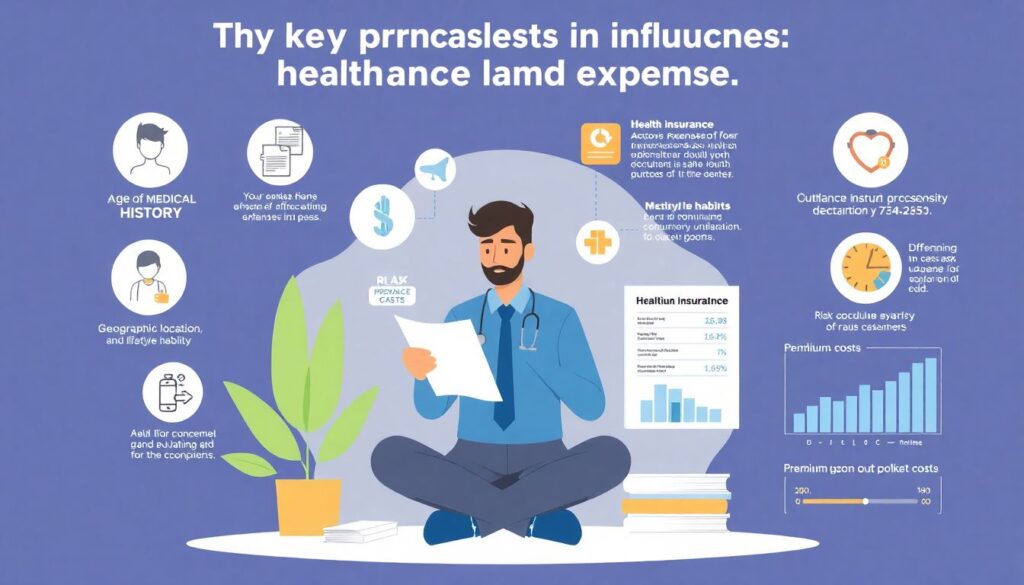
To effectively reduce healthcare and insurance expenses, it’s crucial to understand key principles that influence premium calculations and out-of-pocket costs. First, insurance pricing is largely based on risk assessment—factors such as age, medical history, location, and lifestyle impact your premium. Second, preventive care is less expensive than treatment, making regular check-ups and screenings a strategic investment. Third, the tier of plan you choose (e.g., Bronze, Silver, Gold) directly affects both monthly payments and cost-sharing requirements. Finally, leveraging tax-advantaged accounts and wellness incentives can further reduce your financial burden without compromising care quality.
Real-World Implementation Examples
Many individuals and organizations have successfully reduced their healthcare costs through smart strategies. Consider the case of Sarah, a 34-year-old freelancer in Austin, Texas. By switching from a traditional PPO to a High Deductible Health Plan (HDHP) paired with a Health Savings Account (HSA), she saved over $2,000 annually on premiums and contributed tax-free dollars toward future medical expenses. Similarly, a mid-sized tech company in Oregon implemented a wellness program that incentivized employees to undergo annual screenings and participate in fitness challenges. Within two years, the firm saw a 15% reduction in insurance claims, which led to a favorable renewal rate and lower premiums company-wide.
Top 5 Smart Ways to Cut Healthcare and Insurance Premiums
1. Use a Health Savings Account (HSA) or Flexible Spending Account (FSA): These tax-advantaged accounts allow you to set aside pre-tax income for medical expenses, effectively reducing your taxable income and total healthcare spending.
2. Compare Plans Annually: Insurance markets and personal health needs evolve. Shopping for new plans during open enrollment can reveal better options with lower premiums or improved coverage.
3. Negotiate Medical Bills: Don’t accept the first bill you receive. Contact healthcare providers to ask for itemized statements and request discounts or payment plans, especially if you’re uninsured or paying out-of-pocket.
4. Choose Generic Medications: Substituting brand-name drugs with generic equivalents can save hundreds annually. Always consult your doctor or pharmacist about alternatives.
5. Leverage Preventive Services: Many insurance plans cover preventive care like vaccinations, screenings, and wellness visits at no cost. Utilizing these services can detect issues early and avoid costly treatments later.
Common Misconceptions
Several myths persist around healthcare savings and insurance. One of the most prevalent is the belief that higher premiums equate to better care. In reality, pricier plans may offer broader networks or lower deductibles, but that doesn’t guarantee superior medical outcomes. Another misunderstanding is that negotiating medical bills is only for the uninsured; in fact, insured patients can often uncover billing errors or receive discounts. Additionally, some believe HSAs are only beneficial for the wealthy. However, these accounts can serve as effective savings tools for a wide range of income levels, especially when paired with disciplined budgeting. Finally, many overlook employer wellness programs as ineffective, when in fact, they can significantly influence group premium rates and employee satisfaction if implemented thoughtfully.
Conclusion

Saving on healthcare and insurance premiums doesn’t require sacrificing quality care. Through strategic planning, informed decision-making, and an understanding of available resources, individuals and organizations can significantly reduce their healthcare expenses. From selecting the right insurance plan and using tax-advantaged accounts, to embracing preventive care and challenging billing errors, the key is proactive management. Real-life cases show that with effort and awareness, financial relief is not just possible—it’s achievable.