
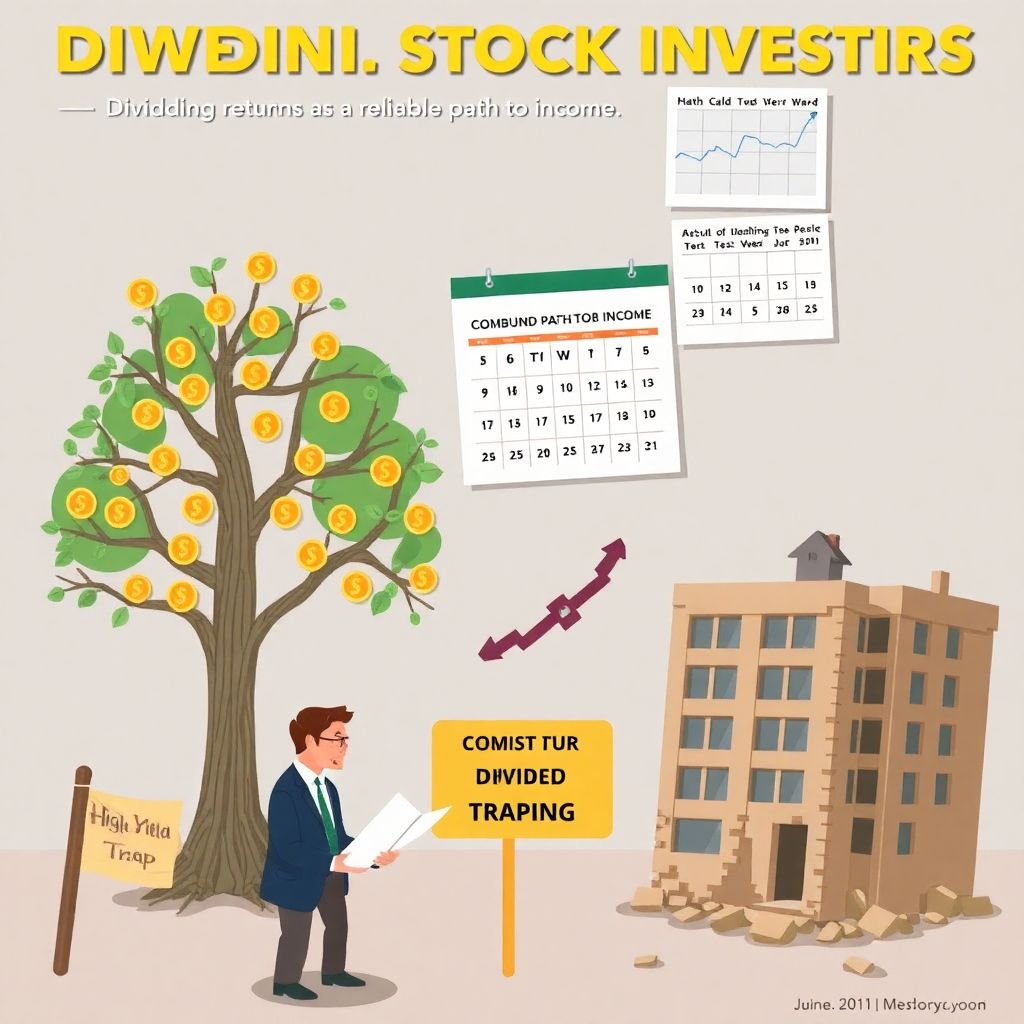
Understanding Dividend Stock Investing: A Reliable Path to Income
Dividend investing often serves as a cornerstone for individuals seeking consistent cash flow and long-term financial security. Unlike growth stocks, dividend-paying equities provide periodic payouts, making them attractive to those prioritizing stability over aggressive capital appreciation. By reinvesting dividends or using them as income, investors can harness the power of compounding or support lifestyle needs. However, while the concept may seem straightforward, diving into dividend investing without a clear strategy may lead to avoidable mistakes—especially for beginners.
Common Mistakes New Investors Make
Too often, novice investors are lured by high-yielding stocks without assessing the sustainability of those dividends. A 10% yield might seem attractive, but it could signal financial distress or a company preparing to cut its payout. Many beginners also neglect diversification, putting their entire capital into a few well-known dividend stocks, thereby increasing risk. Another frequent misstep is ignoring the payout ratio—a metric indicating how much of a company’s earnings are used for dividends. A high payout ratio might suggest that the dividend is unsustainable during economic downturns.
1. Chasing High Yields Blindly
The temptation of high dividend yields is understandable, especially when compared to the low returns of traditional savings accounts. However, this often leads to investing in companies with unstable earnings or unsustainable dividend policies. For instance, during the 2008 financial crisis, many financial institutions slashed dividends despite offering high yields on paper. Disciplined investors focus instead on dividend growth and payout consistency over time, prioritizing quality over quantity.
2. Lack of Research and Due Diligence

Relying solely on recommendations or online forums is a dangerous path. Successful dividend investing requires a deep understanding of company fundamentals. New investors often overlook key indicators like debt levels, free cash flow, and industry trends. Neglecting this research may lead to investing in companies that appear attractive in the short term but face long-term instability. Taking the time to read annual reports and track dividend history can significantly improve decision-making.
3. Ignoring Tax Implications
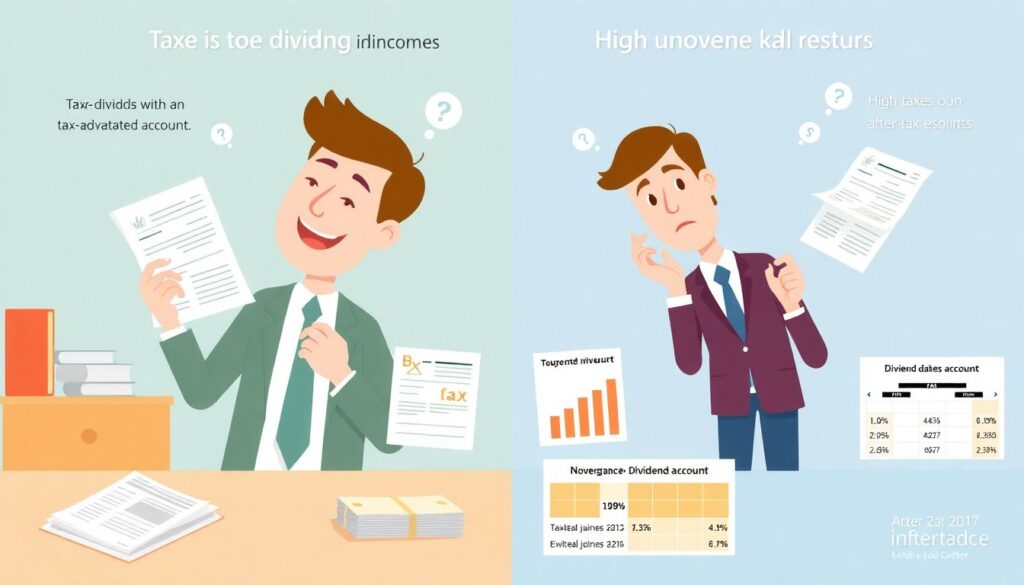
Taxes play a crucial role in the real return on dividend income. Novice investors often fail to consider the tax treatment of dividends, especially in taxable brokerage accounts. Depending on your jurisdiction, dividends can be taxed at different rates from capital gains, which may affect after-tax returns. Utilizing tax-advantaged accounts, such as IRAs or ISAs, can help preserve income and compound returns more efficiently.
Recommendations for Strategic Development
Successful dividend investing requires a long-term mindset and a methodical approach to portfolio construction. Here are some development steps for building a resilient dividend income stream:
1. Start with Dividend Aristocrats – These are companies that have increased their dividend payouts for 25+ consecutive years, offering both reliability and stability.
2. Focus on Payout Ratio and Free Cash Flow – Evaluate whether companies generate enough cash to sustain and grow their dividends.
3. Diversify Across Sectors – Spread investments across industries to reduce risk from sector-specific downturns.
4. Use DRIPs (Dividend Reinvestment Plans) – Reinvest payouts automatically to benefit from compounding.
5. Review Annually – Reassess your portfolio each year to track performance and adjust to market changes.
Inspirational Case Studies: Real Success from Dividend Investing
Take the example of Susan, a teacher who began investing in dividend stocks in her early 30s. She focused on blue-chip companies with growing dividends and reinvested every payout. After 20 years, her portfolio not only provided a steady income stream but also doubled in value, allowing her to retire early. Another case is that of a retired engineer who built a dividend portfolio yielding 4% annually. With careful planning and low withdrawal rates, he managed to cover 80% of his living expenses purely from dividends.
Educational Resources for Deepening Expertise
To build competence and confidence in dividend investing, continuous education is vital. Some key resources include:
1. Books – “The Single Best Investment” by Lowell Miller and “The Little Book of Big Dividends” by Charles Carlson provide foundational knowledge.
2. Websites – Sites like Dividend.com, Seeking Alpha (Dividends section), and Simply Safe Dividends offer research tools and analysis.
3. Courses – Platforms such as Coursera, Udemy, and Morningstar offer structured programs on dividend investing.
4. Podcasts and Newsletters – Listening to shows like “The Dividend Guy Blog Podcast” or subscribing to newsletters can provide timely insights and strategies.
Conclusion: The Power of Patience and Prudence

Dividend stock investing, when approached with discipline and informed decision-making, can offer a steady stream of income and wealth preservation. Avoiding common pitfalls such as chasing unsustainable yields or under-researching investments is key to success. With a clear strategy, access to credible educational tools, and an eye on long-term performance, even novice investors can build a robust dividend portfolio that withstands market cycles while supporting their financial goals.