
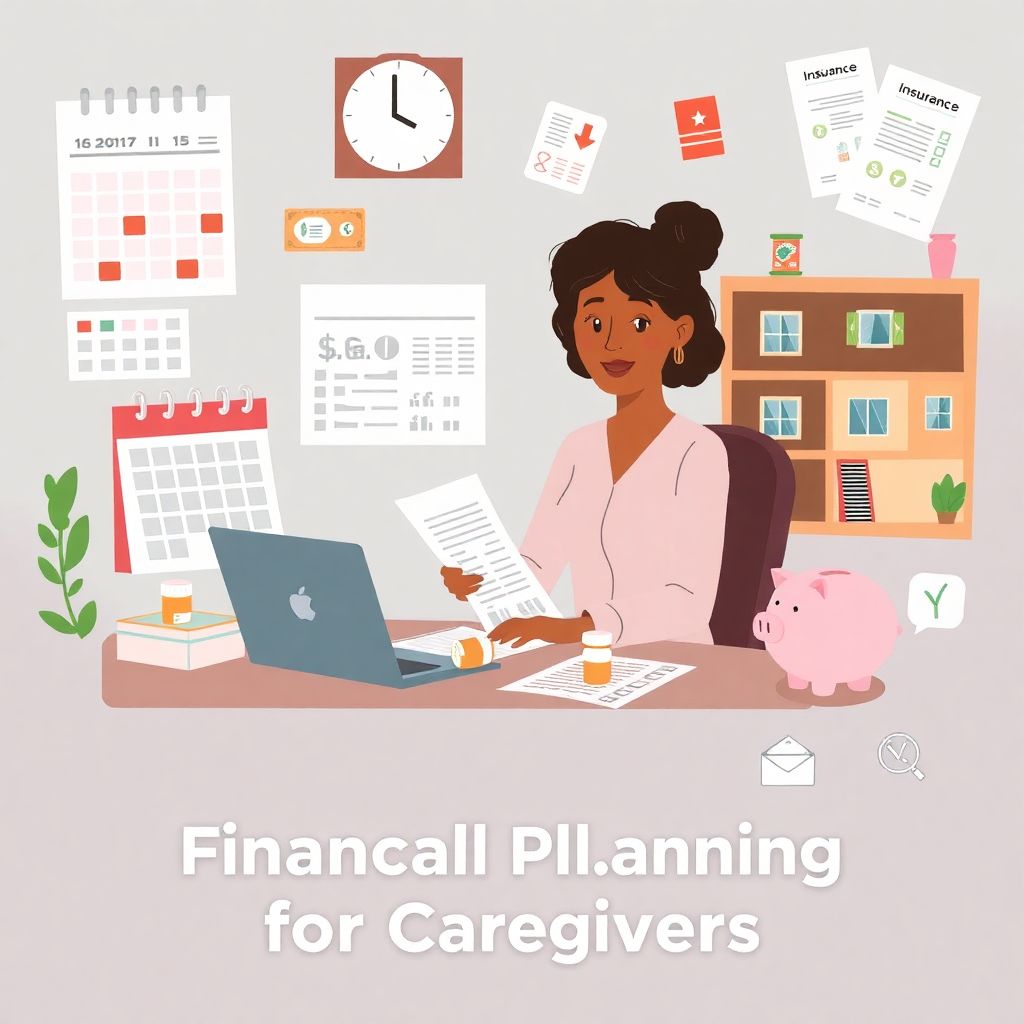
Assessing the Full Scope of Caregiving Responsibilities
Before creating any financial plan, caregivers must first identify the full range of responsibilities they’re taking on. This involves more than just tracking medical bills or grocery expenses—it includes understanding the level of care required, the frequency of doctor visits, medication management, potential home modifications, and even lost income due to reduced working hours. Many new caregivers underestimate the time and financial commitment involved, leading to overly optimistic budgets that fail within the first few months. A realistic assessment should include both direct and indirect costs, as well as a forecast for how those needs might evolve over time.
Building a Detailed Monthly Budget
Once the scope of care is established, the next step is to create a comprehensive monthly budget that accounts for all related expenses. This should include recurring costs like prescriptions, personal hygiene products, dietary supplements, transportation to medical appointments, and even utilities if the care recipient lives in your home. It’s critical to separate these from your personal household expenses to maintain clarity. One frequent misstep is failing to track small, recurring purchases—like over-the-counter medications or mobility aids—which can collectively strain the budget over time. Using budgeting software or a dedicated spreadsheet to itemize and monitor every category can help prevent overspending and identify patterns quickly.
Understanding Insurance and Government Benefits
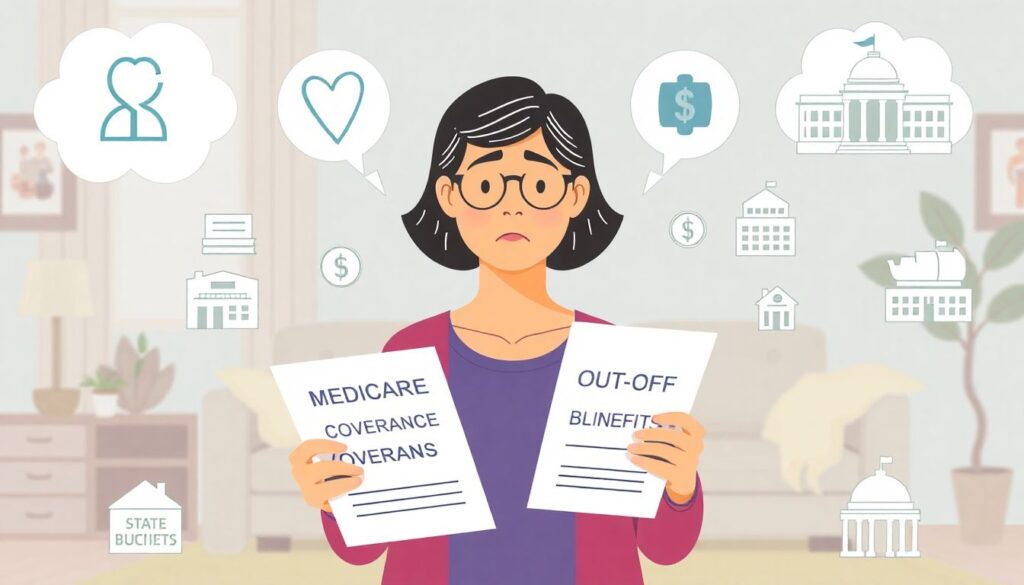
Many caregivers overlook financial support programs that could significantly offset costs. These include Medicare, Medicaid, veteran benefits, and state-specific assistance programs. Understanding what insurance will cover—and what it won’t—is essential to avoid unexpected out-of-pocket expenses. For instance, Medicare may not cover long-term custodial care, while Medicaid eligibility varies by state and income level. A common mistake among beginners is assuming all medical needs are reimbursable, only to face surprise bills. Taking the time to meet with a social worker or elder law attorney can clarify entitlements and help you build a realistic funding strategy.
Planning for Emergencies and Future Care Needs

Caregiving situations can change rapidly. A sudden hospitalization, the need for 24-hour support, or a caregiver’s own illness can disrupt even the most carefully planned budgets. Creating an emergency fund specifically for caregiving-related costs is a critical safeguard. This fund should be separate from your personal savings and built up gradually through small, regular contributions. Beginners often neglect this step, focusing solely on current monthly needs and leaving themselves vulnerable to crises. In parallel, consider long-term planning for assisted living or nursing care, which can cost significantly more than home care and may require years of financial preparation.
Balancing Your Own Financial Health
It’s easy for caregivers to prioritize their loved one’s needs at the expense of their own financial well-being. However, depleting retirement savings or neglecting personal debt obligations can have lasting consequences. Set clear boundaries between caregiving duties and your own financial goals. Allocate a fixed monthly amount toward caregiving and avoid using credit cards or personal loans to fill budget gaps. One of the most damaging errors new caregivers make is viewing every cost as non-negotiable. In reality, many services can be scaled, substituted, or shared with other family members. Open communication with siblings or extended family can distribute both financial and emotional responsibilities more sustainably.
Tracking and Reevaluating the Budget Regularly
A static budget quickly becomes obsolete in a caregiving context. Medical needs evolve, prices change, and personal circumstances shift. Therefore, it’s crucial to revisit your budget at least quarterly to assess its accuracy. Adjustments should reflect not only expense changes but also updates in insurance coverage, new diagnoses, or shifts in care responsibilities. Novice caregivers often set a budget once and assume it will remain viable long-term. This lack of flexibility can lead to mounting debt or service cutbacks when reality no longer aligns with planning. Treat budgeting as an ongoing process, not a one-time task.
Seeking Professional Guidance When Necessary
Finally, caregivers should not hesitate to seek guidance from financial advisors, elder care specialists, or nonprofit support organizations. These professionals can help navigate complex issues like Medicaid planning, estate management, or tax deductions for caregiving expenses. Many caregivers, especially those new to the role, avoid professional help out of fear of costs or embarrassment. However, the long-term savings and stress reduction often make such consultations worthwhile. Ignoring expert advice can result in missed benefits, inefficient spending, or legal complications—especially when managing someone else’s assets or healthcare decisions.
By approaching caregiving with a structured financial plan, ongoing evaluation, and a willingness to ask for help, caregivers can better manage the burden while preserving their own financial stability. Avoiding the common pitfalls outlined above is essential for sustaining both the quality of care and the caregiver’s long-term well-being.