
Why “Dental” Today Is Not What It Was Even 5 Years Ago
Dentistry in 2025 is much closer to precision engineering and data science than to the old “drill and fill” stereotype. Patients google *family dental clinic near me* not just to fix a toothache, but to get a long‑term oral health strategy, cosmetic upgrades, and clear digital treatment plans—often with financing built in.
Clinics are turning into mini‑diagnostic centers: 3D X‑rays, intraoral scanners, AI‑assisted X‑ray reading, and same‑day ceramic restorations are now routine in well‑equipped practices, not just fancy boutique offices.
—
What Actually Happens in a Modern Dental Visit
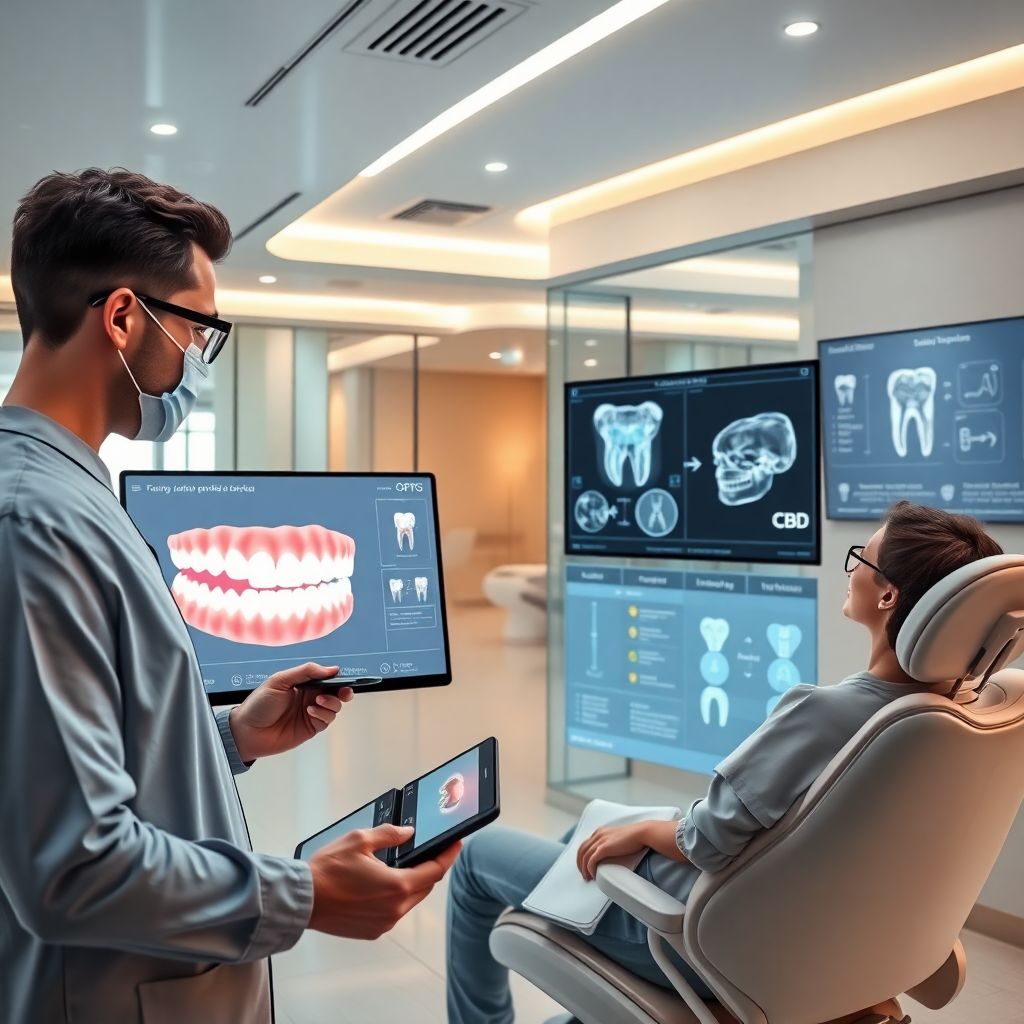
A typical first visit in 2025 often starts with a questionnaire on a tablet, a quick photo session, and a panoramic X‑ray. Many clinics also perform a full‑mouth scan with an intraoral scanner. It takes about 5–10 minutes and creates a precise 3D model of your teeth and gums.
Short version: the dentist sees not just “a cavity on tooth #36”, but your whole bite, wear patterns, airway‑related signs (like a narrow palate), and gum architecture. This changes the way treatment is planned.
Technical details (diagnostics block):
– Panoramic radiograph (OPG): 2D overview of both jaws, sinuses, TMJ.
– CBCT (cone beam CT): 3D imaging, voxel sizes 0.075–0.3 mm for implant planning and complex root canals.
– Intraoral scanner: optical or structured light, accuracy commonly ±20–30 microns, eliminates most traditional impressions.
– AI‑assisted analysis: software highlights caries, bone loss, periapical lesions; the dentist still confirms.
—
Real Practice Example: From Toothache to Full‑Mouth Plan
A 42‑year‑old patient walks in with a broken molar and asks for “the cheapest filling.” After diagnostic photos and scans, the dentist shows him a 3D model: multiple cracked fillings, beginning gum recession, and severe night‑time grinding signs.
Instead of a single filling, they design a phased plan:
1. Immediate pain control and a temporary build‑up.
2. Night guard (splint) to protect from bruxism.
3. Replacement of high‑risk old fillings.
4. Later, a crown on the heavily damaged molar.
The patient still gets to choose the pace and budget, but the key change is mindset: one urgent problem triggers a comprehensive, evidence‑based plan.
—
Dental Implants: From “Luxury” to Standard of Care
Implants are no longer exotic. For many partially edentulous patients, they’re the benchmark, not the “premium” option. Yet people still worry most about *dental implants cost* and surgery risks.
In 2025, a single straightforward implant with a crown in a major city often starts from roughly $1,500–$2,500 in mid‑range clinics and goes upward with additional procedures like bone grafting. The spread is huge because of different implant systems, surgeon experience, and lab quality.
Technical details (implantology block):
– Implant material: mostly titanium grade 4 or 5; zirconia implants exist but are less common.
– Osseointegration timeline: typically 8–12 weeks in the lower jaw, 12–16 weeks in the upper jaw, assuming normal bone density.
– Guided surgery: 3D planning based on CBCT + surgical guide printed from the digital plan; improves accuracy of implant angulation and depth.
– Success rates: in healthy, non‑smoking patients, 5‑year survival rates are typically 94–98% in reputable studies.
Real‑life shift: lots of patients now choose 2–4 implants with a fixed bridge instead of a removable partial denture, especially when they understand long‑term chewing efficiency and bone preservation.
—
Cosmetic Dentistry: Whitening and Aligning as Baseline Requests
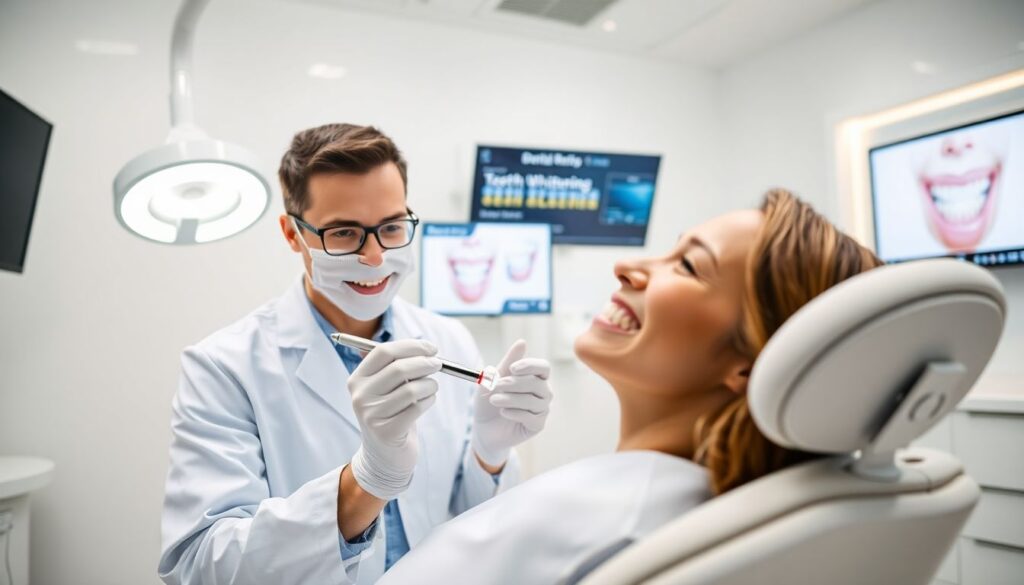
If you look at clinic call logs, the top two “cosmetic” questions are about whitening and clear aligners. People often type *teeth whitening near me* into search engines long before they ask about gum disease or prevention—appearance is still the big driver.
Professional in‑office whitening in 2025 usually uses 35–40% hydrogen peroxide gels, applied in 1–3 cycles of 10–15 minutes. The typical improvement is about 4–8 shades on the VITA scale after one session, with a follow‑up home kit to stabilize the result.
Technical details (whitening block):
– Active agents: hydrogen peroxide or carbamide peroxide; carbamide breaks down to hydrogen peroxide plus urea.
– Mechanism: free radicals oxidize organic pigments in enamel and dentin; enamel microstructure stays intact when used properly.
– Sensitivity management: use of potassium nitrate, fluoride varnish, and shorter exposure times.
– Contraindications: large exposed root surfaces, untreated cavities, pregnancy, heavy smokers with unaddressed periodontal disease.
Real‑practice nuance: good dentists combine whitening with caries control and gum therapy, not instead of them. If a patient arrives for cosmetic whitening but has active gum inflammation, many clinicians will postpone aesthetics and first stabilize periodontal status.
—
Clear Aligners and “Invisible” Orthodontics
Clear aligners have become so common that many patients google *invisalign braces price* before they ever talk to a dentist. The answer is: it depends heavily on complexity.
Mild crowding with 6–8 months of treatment can be in the ballpark of a few thousand dollars; complex bite corrections that last 18–24 months cost substantially more. In 2025, we also see more non‑branded or in‑house aligner systems made directly in clinics, not just by big corporations.
Technical details (aligners block):
– Movement per aligner: usually 0.2–0.25 mm of tooth movement per step.
– Wear time: 20–22 hours per day, changing trays every 7–10 days in many protocols.
– Attachments: small composite “buttons” bonded to teeth to improve control of rotation and root movement.
– Retention: fixed or removable retainers required indefinitely, or relapse is extremely likely.
Clinical reality: the biggest failure factor is not the system, but patient compliance. The most sophisticated digital setup fails if trays sit in the case instead of the mouth.
—
Emergency Dentistry: 24/7 Expectations and Realistic Limits
Searches like *emergency dentist near me* spike in the evenings, weekends, and around holidays. Patients expect immediate access, and many urban areas now have 24/7 clinics or at least extended hours.
True emergencies include: uncontrolled bleeding, facial swelling with systemic symptoms, post‑operative complications, trauma with tooth avulsion, and severe acute pain unresponsive to OTC meds.
In real practice, a typical “emergency” visit looks like this: rapid triage, short questionnaire on medical history, targeted X‑ray, and a focus on pain control and infection management rather than definitive restoration. The long, aesthetic crown or implant plan comes later.
Technical details (emergency block):
– Triage: pain intensity, swelling, fever, difficulty swallowing or breathing, anticoagulant use, recent surgery.
– Pharmacology: local anesthetics (articaine 4%, lidocaine 2%), NSAIDs (ibuprofen, naproxen), antibiotics when indicated (amoxicillin, clindamycin).
– Procedures: pulpotomy/pulpectomy, incision and drainage, temporary restoration, splinting of traumatized teeth.
– Red flags: spreading cellulitis, trismus, high fever, immunosuppressed state—these can require hospital admission.
—
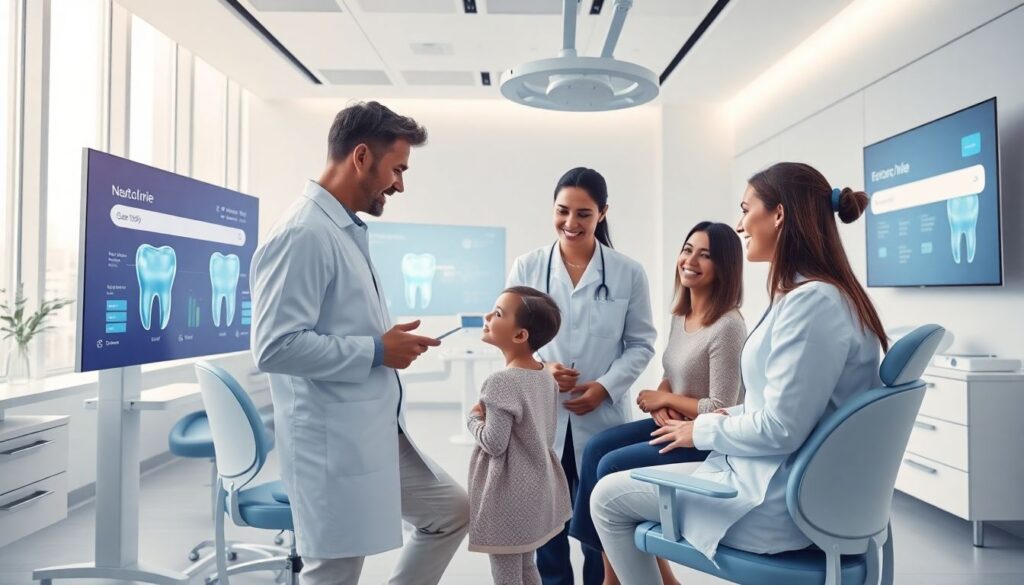
Family Dentistry: One Door for All Ages
In 2025, many people want a *family dental clinic near me* where a toddler, a parent with gum disease, and a grandparent needing implants can all be treated under one roof.
This pushes clinics to integrate pediatric, preventive, restorative, and prosthetic services with unified records. It also means aligning protocols: fluoride varnish for kids, minimally invasive dentistry for teens, periodontal maintenance for adults, and complex prosthetics for seniors.
Short, but important point: families who attend regular checkups every 6–12 months almost always show lower treatment costs over a decade than those who only come for emergencies. Prevention is still the cheapest “procedure.”
—
Money Talk: Why Dental Feels Expensive (and How Technology Is Both Helping and Hurting)
Patients often compare prices across clinics and wonder why digital, high‑tech options are more expensive when “computers should make things cheaper.”
There are two opposite trends:
1. Upfront costs rising: CAD/CAM milling machines, scanners, CBCT units, software licenses, and stricter sterilization protocols all cost clinics a lot. That shows up in treatment prices.
2. Indirect costs dropping: Fewer visits, higher accuracy, less remakes, and better long‑term outcomes can reduce the cost per year of function.
A well‑done ceramic crown fabricated by CAD/CAM and properly cemented can last 10–15+ years with success rates of around 90–95% at 10 years in many studies, which is a much better lifetime value than repeatedly repairing a failing large filling every 2–3 years.
—
How Dental Practice Will Evolve by 2030: A Realistic Forecast
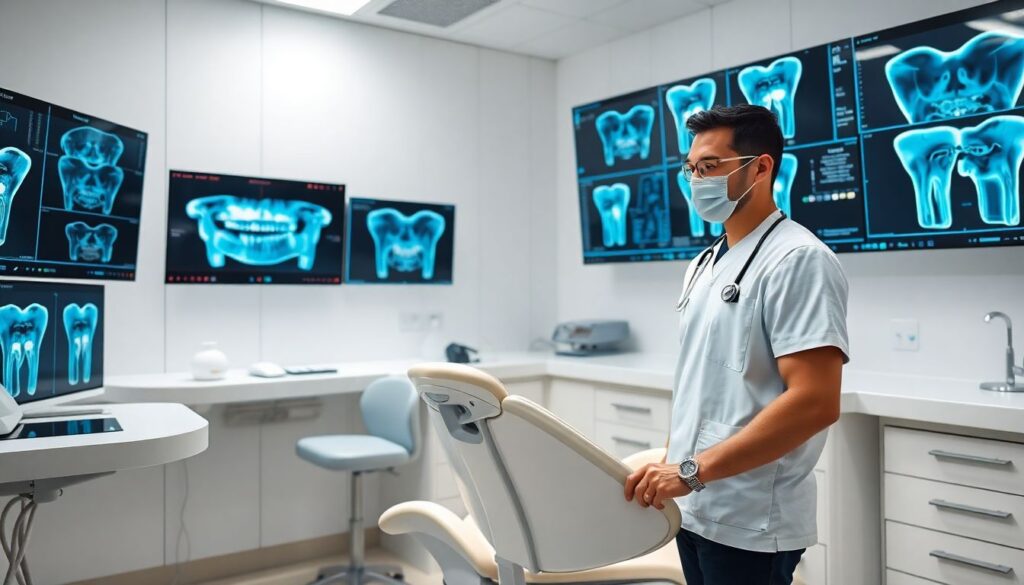
Looking ahead from 2025, several trends are almost certain to shape dentistry over the next 5 years:
1. AI will be standard, not optional.
– Software will pre‑read X‑rays, highlight possible caries and bone loss, and suggest endodontic working lengths and implant positions. Dentists will stay the decision‑makers, but AI will be like a “mandatory second opinion.”
2. More “digital‑only” workflows.
– Impressions with trays and goo will become rare in mid‑ to high‑tier clinics. Full digital chains (scan → design → print or mill) will be routine for crowns, bridges, splints, and many dentures.
3. Personalized prevention based on risk profiling.
– Genetic markers, saliva tests (pH, buffer capacity, bacterial composition), and lifestyle data will guide personalized recall intervals and fluoride regimens. One patient may need a 3‑month visit cycle, another only yearly with remote monitoring.
4. Home monitoring and tele‑dentistry.
– Smartphone‑based intraoral cameras and patient‑operated scanners will let clinics review conditions remotely, especially for aligner therapy and post‑operative checks. Many “visits” will become video consultations plus photo uploads.
5. Regenerative and bioactive materials.
– Bioactive restorative materials that release calcium, phosphate, and fluoride to help remineralize dentin and enamel will be used more widely. Research in pulp regeneration (e.g., stem‑cell–based therapies) may move from experimental to limited clinical applications by the end of the decade.
6. Sustainability and infection control balance.
– Pressures to reduce single‑use plastics will clash with strict sterilization standards. Expect more autoclavable or recyclable components and re‑design of packaging.
7. More transparent pricing and subscription models.
– Instead of asking “What is dental implants cost in this clinic?”, more patients will be offered clear packages: scanning + surgery + crown + checkups for X years, with financing and warranties. Preventive subscription plans (monthly fee for checkups, cleanings, and discounts on treatments) will be common.
—
What This Means for Patients in Simple Terms
In practice, if you’re a patient in 2025–2030, you can expect:
1. Less discomfort.
More precise anesthesia, minimally invasive techniques, and faster appointments.
2. More planning.
Dentists will show you 3D simulations and long‑term scenarios instead of just patching the most obvious problem.
3. More responsibility on your side.
With better tools and knowledge, ignoring prevention will be harder to justify. Skipping hygiene and checkups will almost always cost more later.
4. Better cosmetic outcomes as a norm.
Even functional restorations (fillings, crowns) are increasingly designed to look natural, match your tooth shade, and support your bite.
5. A closer link between oral and general health.
Expect more questions about sleep quality, diabetes, heart disease, and medications, because we know now that periodontitis, for example, correlates with cardiovascular risk and glycemic control.
—
Conclusion: Dentistry as a Long‑Term Health Investment
Dentistry in 2025 is no longer about “fixing a bad tooth” but about managing a dynamic, living system: teeth, gums, bite, jaw joints, and overall health. Digital diagnostics, implants, clear aligners, advanced whitening, and emergency protocols have made care more predictable, more aesthetic, and often more comfortable.
The challenge—and opportunity—for the next 5–10 years is to combine this high‑tech toolkit with realistic pricing, preventive thinking, and honest communication. If patients see dental care as a long‑term investment rather than a series of crisis payments, both outcomes and costs will trend in the right direction.