
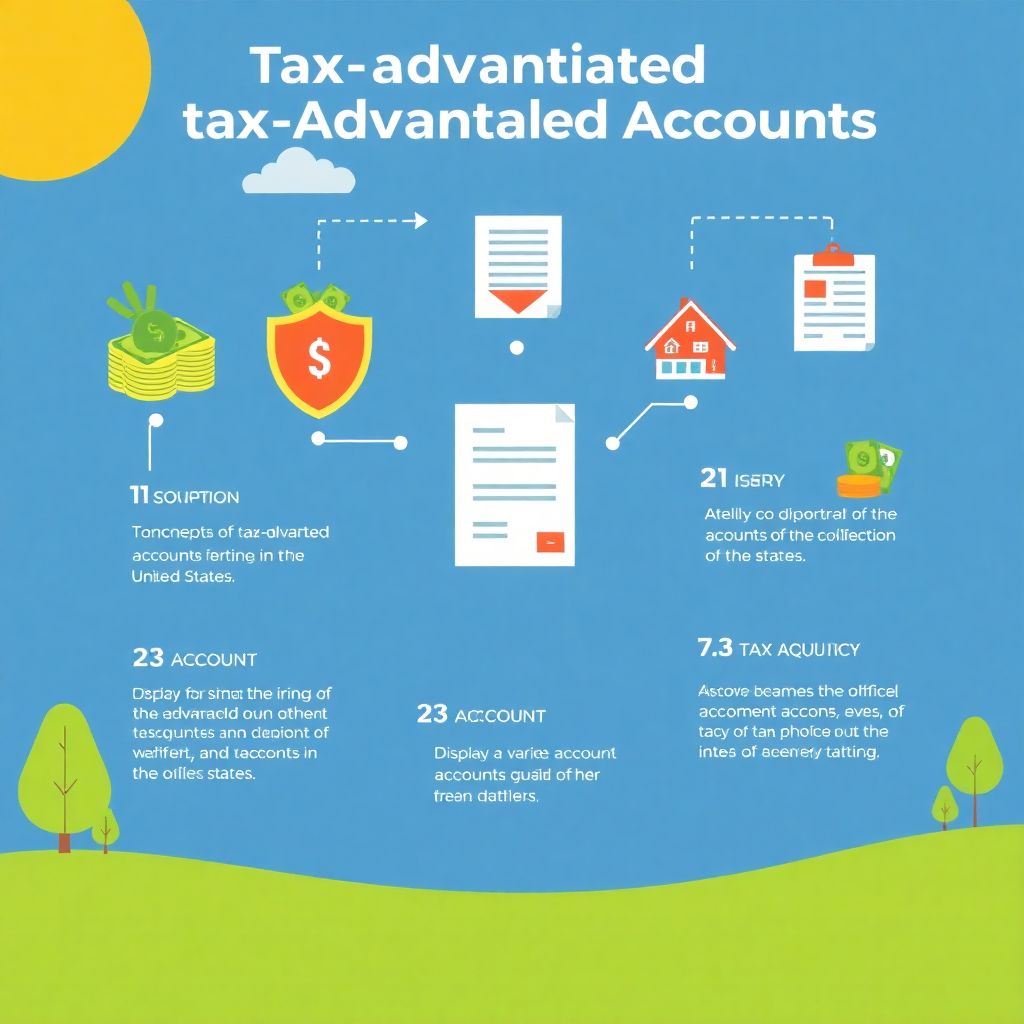
Step 1: Define the Purpose of Tax-Advantaged Accounts

Tax-advantaged accounts are financial instruments designed to incentivize long-term savings by offering tax relief. In the context of retirement planning, these accounts allow individuals to accumulate wealth more efficiently by reducing tax liability either at the time of contribution or during withdrawal. Understanding the core purpose of these vehicles is essential for optimizing retirement strategies.
There are two primary types of tax advantages:
– Tax-deferred accounts: Contributions are made pre-tax, and taxes are paid upon withdrawal (e.g., Traditional IRA, 401(k)).
– Tax-exempt accounts: Contributions are made with after-tax dollars, but qualified withdrawals are tax-free (e.g., Roth IRA, Roth 401(k)).
Selecting the right type hinges on your current income tax bracket, expected future tax rates, and investment horizon.
Step 2: Identify the Major Account Types
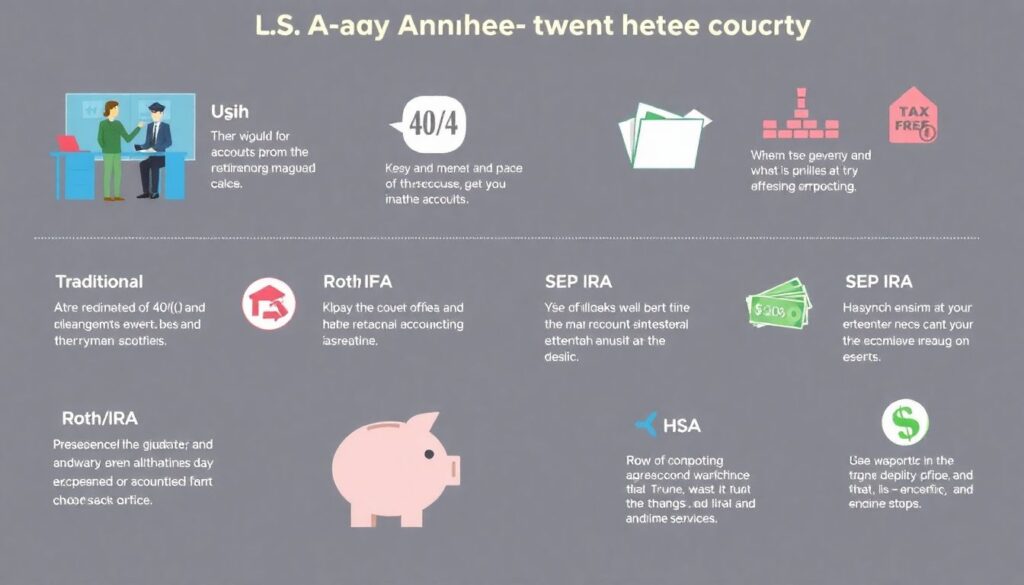
Several tax-advantaged accounts are available in the U.S., each with distinct eligibility criteria, contribution limits, and withdrawal rules. Understanding these differences lays the groundwork for an effective retirement plan.
Key accounts include:
– Traditional 401(k): Employer-sponsored plan with high contribution limits. Contributions are tax-deferred.
– Roth 401(k): Similar to a traditional 401(k), but contributions are taxed upfront with tax-free withdrawals.
– Traditional IRA: Individual Retirement Account offering tax-deferred growth.
– Roth IRA: Funded with post-tax dollars, offering tax-free qualified withdrawals.
– SEP IRA and SIMPLE IRA: Designed for self-employed individuals and small businesses.
Step 3: Maximize Contributions Strategically
One of the most common mistakes is underutilizing contribution limits. For 2024, individuals under age 50 can contribute up to $22,500 to a 401(k), with an additional $7,500 catch-up contribution allowed for those 50 and older. For IRAs, the annual limit is $6,500 (or $7,500 with catch-up).
Expert recommendation:
– Prioritize employer-sponsored plans when matching contributions are offered to capitalize on “free money.”
– If income permits, fund both a traditional and Roth account to diversify future tax exposure.
Step 4: Understand Tax Implications and Withdrawal Rules
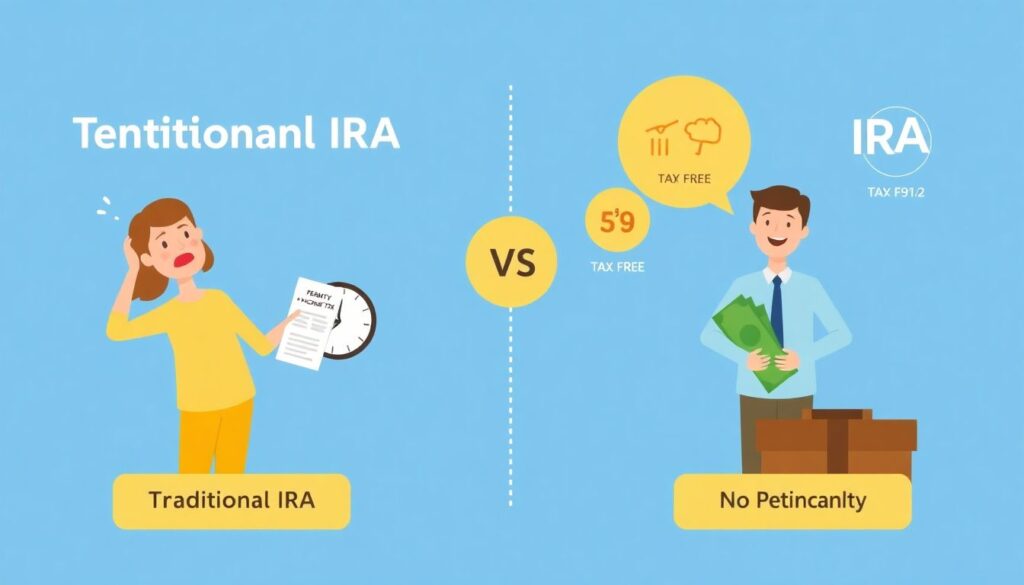
Each account type has specific taxation rules that impact your long-term strategy. For example, early withdrawals from a Traditional IRA before age 59½ typically incur a 10% penalty plus ordinary income tax. Roth IRAs, however, allow contributions to be withdrawn at any time tax- and penalty-free, but earnings must meet the five-year holding period and age requirement.
Common pitfalls to avoid:
– Ignoring Required Minimum Distributions (RMDs): Traditional IRAs and 401(k)s mandate withdrawals starting at age 73 (as of 2024). Failing to take RMDs can result in a 25% penalty on the undistributed amount.
– Overfunding Roth IRAs: Income phase-out limits apply. For 2024, eligibility begins to phase out at $138,000 modified AGI for single filers.
Step 5: Incorporate Tax Diversification
Just as investment diversification mitigates market risk, tax diversification protects against future tax uncertainty. By holding a mix of tax-deferred, tax-exempt, and taxable accounts, retirees can better control their taxable income during retirement.
Benefits of tax diversification include:
– Flexibility in managing taxable income to stay within lower tax brackets
– Strategic withdrawal sequencing to reduce Medicare premiums and minimize taxation on Social Security benefits
Step 6: Align Account Selection with Retirement Goals
Choosing the optimal mix of accounts depends on your retirement timeline, expected expenses, and risk tolerance. Long-term savers with a high current tax rate may benefit from tax-deferred accounts, while younger investors anticipating higher future rates often prefer Roth options.
Expert strategies:
– Use Roth accounts for growth-oriented investments to maximize tax-free gains
– Allocate more conservative assets to traditional accounts where growth is taxed later
Step 7: Monitor Legislation and Adjust Accordingly
Tax laws governing retirement accounts are subject to change. For instance, the SECURE Act 2.0 introduced adjustments to RMD ages and catch-up contributions. Staying informed through IRS publications or financial advisors ensures your plan remains compliant and efficient.
Proactive tips:
– Review your retirement plan annually or after major life events
– Rebalance asset allocations and reassess income projections consistently
Key Takeaways for Beginners
If you’re new to retirement planning, start with these foundational steps:
– Open a 401(k) if your employer offers matching contributions—contribute at least enough to get the full match.
– Consider a Roth IRA for flexibility and long-term tax-free withdrawals, especially if you’re early in your career.
– Avoid early withdrawals unless absolutely necessary; penalties and taxes can significantly erode savings.
Common beginner mistakes to avoid:
– Ignoring account fees and investment options
– Failing to update beneficiaries or plan documents
– Not considering inflation’s impact on future purchasing power
Understanding tax-advantaged accounts is a crucial component of successful retirement planning. By leveraging each account’s unique benefits, you can build a resilient, tax-efficient portfolio tailored to your long-term financial goals.