
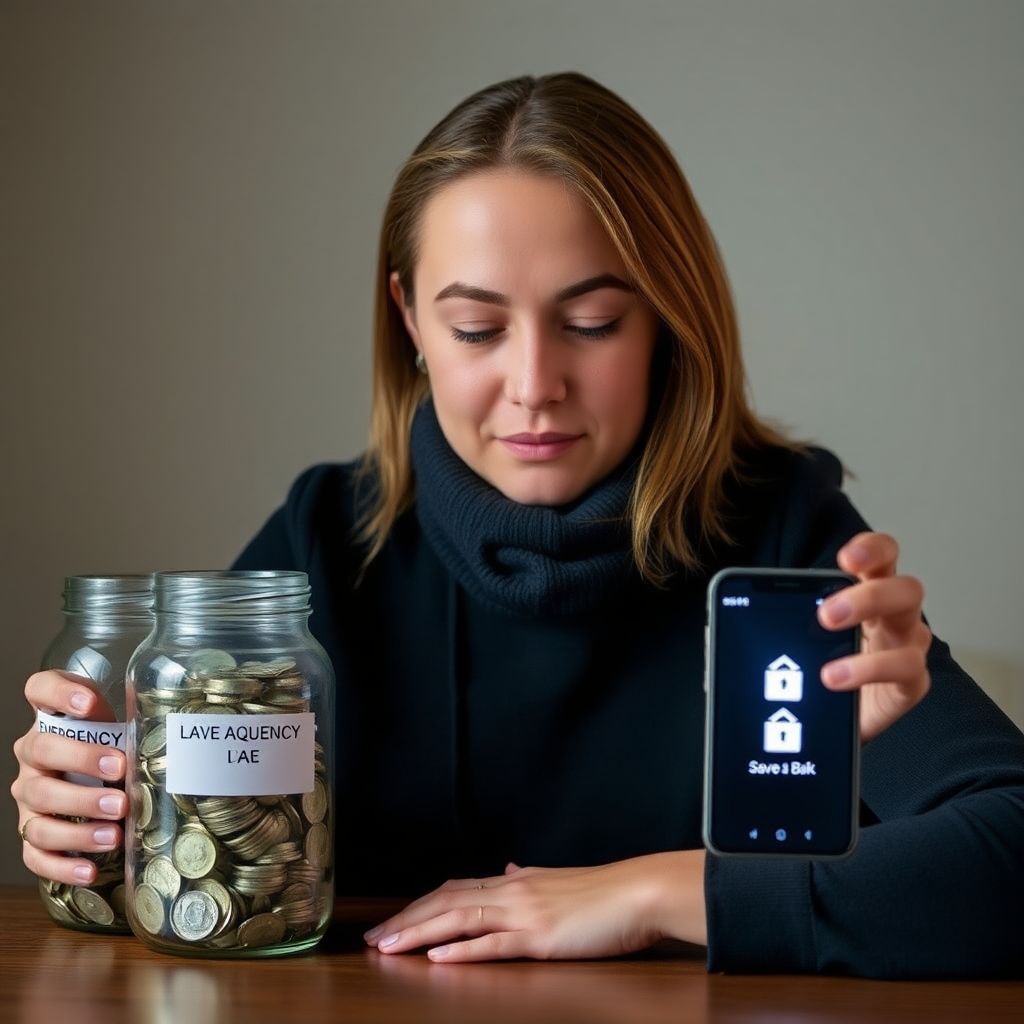
An emergency fund is a dedicated cash cushion for true surprises, kept separate, easy to access, and protected from impulse spending. Start with a modest target based on one month of must-pay expenses, then grow it, automate transfers, park it in a safe account, and follow clear rules for using and rebuilding it.
Essential Rules for a Resilient Emergency Fund
- Separate your emergency fund from everyday spending so it is visible but not too easy to tap.
- Base your target on actual core expenses, not your total income or best-case month.
- Automate contributions so savings happen before you feel the temptation to spend.
- Use safe, liquid accounts; this is about stability first, growth second.
- Write down when you are allowed to use the fund and how you will rebuild it.
- Review your target at least once a year or after major life changes.
- Protect the fund from lifestyle creep by keeping it out of sight and naming it clearly.
Setting a Realistic Target Based on Your Cash Flow
For most people, a good starting point is to cover one full month of essential expenses, then gradually increase toward several months as your situation allows. Think of this as a sequence of milestones, not an all-or-nothing goal you must hit immediately.
This approach works well if:
- You have at least some regular income (employment, freelance, or benefits).
- You can identify your non-negotiable monthly costs (housing, utilities, food, insurance, minimum debt payments, transportation).
- You are willing to automate small, regular transfers and make a few low-pain budget changes.
It may not be the right moment to focus heavily on building an emergency fund if:
- You are facing active eviction, utility shutoffs, or food insecurity this month.
- You are behind on high-interest debt with collection actions starting.
- You are in the middle of a major medical or legal crisis that requires every available dollar.
In those edge cases, stabilizing the immediate crisis and negotiating with creditors or service providers should usually come before aggressive saving.
To size your fund safely without guesswork, a how much should I have in my emergency fund calculator can help translate your actual expenses into a concrete target and milestones (for example, 1 month, then 3 months, then more if your income is unstable).
Speed-Build Strategies: Accelerated Savings Without Sacrifice

To build your emergency savings fast without feeling deprived, you need the right tools more than extreme self-control. Set up a small system once, then let it run in the background.
Useful tools and supports include:
- Separate savings account: Ideally a high-yield savings account labeled “Emergency Fund” so you see progress clearly and avoid mixing it with everyday money.
- Direct deposit splits: Ask HR or your payroll platform to send a fixed amount or percentage of each paycheck straight to your emergency account.
- Automatic transfers: Schedule weekly or biweekly transfers from checking to savings on the day after you get paid.
- Automatic savings apps to build emergency fund: Consider apps that round up purchases, move small “safe to save” amounts, or let you set rules-based transfers so you barely notice the change.
- Simple tracking method: A basic spreadsheet, budgeting app, or even a notes file to list: current fund balance, next milestone, and target date.
- Support or accountability: A partner, friend, or financial advisor help building emergency savings plan can keep you on track and help adjust your plan when income or expenses change.
With these in place, you can accelerate savings by capturing “found money” (raises, refunds, side-income) without aggressively cutting your current lifestyle.
Low-Pain Budget Tweaks That Free Up Funds Fast
-
List your must-pay and flexible expenses separately.
Write down all monthly expenses, then mark each as “essential” (housing, utilities, food, basic transport, minimum debt payments, childcare) or “flexible” (restaurants, subscriptions, hobbies, upgrades). Start with bank statements from the last 2-3 months so you do not rely on memory. -
Choose one or two flexible categories to trim slightly.
Pick the categories with the least emotional impact first. Aim for small cuts you can live with long term, not drastic short-term bans.- Example: Reduce delivery orders by one per week.
- Example: Downgrade one subscription tier instead of canceling everything.
-
Redirect every cut straight to your emergency fund.
As soon as you free up money, set or increase an automatic transfer in the same amount. This converts “saved” money into actual savings instead of letting it get re-spent.- If you cut $30 from streaming, set a $30 monthly auto-transfer to the emergency account.
- If you stop a $15 subscription, move $15 the same day each month.
-
Capture irregular and one-time inflows immediately.
Decide in advance how you will use bonuses, refunds, gifts, or side-hustle income so it does not vanish.- Send a fixed portion (for example, half) of any bonus or tax refund directly to your emergency fund.
- For side income, move cash to savings the day it hits, before you see it as “extra spending” money.
-
Automate “round-ups” and micro-savings.
Turn on round-up features in your bank or use automatic savings apps to build emergency fund that move tiny amounts you won’t miss.- Round purchases to the next dollar and send the difference to savings.
- Set small weekly transfers (even a few dollars) to build the habit.
-
Review and reset after 30-60 days.
Check if any cut felt truly painful. If so, restore part of that category and instead trim a different one. The goal is a sustainable rhythm where your life still feels comfortable.
Fast-Track Mode: Minimal Effort Algorithm
- Pick a simple starter target: one month of essential expenses written as a single number.
- Schedule an automatic transfer for a realistic amount the day after each paycheck.
- Cut or downgrade two low-value expenses and match their total with extra transfers.
- Send at least half of any bonus, refund, or side gig income straight to the fund the day it arrives.
- Review progress monthly and increase transfers slightly whenever your income rises.
Choosing Accounts: Liquidity, Safety, and Return Tradeoffs
Where you park your emergency cash matters. You want easy access in a true emergency, strong safety protections, and at least some interest so inflation does not quietly erode your fund.
Use this checklist when picking accounts and deciding how to split your fund:
- You can explain in one sentence where to keep emergency fund cash safe (for example, in a separate FDIC- or NCUA-insured savings account in your name).
- Your main emergency account is a simple savings or money market account, not tied to market swings like stocks or risky funds.
- Withdrawals are fast enough for real emergencies (1-2 business days at most, or immediate with linked checking).
- You have considered the best high yield savings account for emergency fund options at reputable banks or credit unions, not just your current bank by default.
- Account fees are minimal or zero; you are not losing your interest to monthly charges.
- You keep everyday spending and your emergency fund in different accounts to reduce temptation and confusion.
- You understand any withdrawal limits (such as limits on transfers per month) and have a backup plan if you ever need multiple withdrawals in a crisis.
- For larger emergency funds, you consider a “tiered” approach: some cash in an instant-access account, and some in a slightly higher-yield but still conservative vehicle.
- You avoid locking the entire fund into long-term products with penalties or delays for early withdrawal.
Protecting Your Fund: Automation, Tiering and Insurance
Once your emergency savings starts to grow, the main risk is not market loss-it is human behavior. These are common mistakes that quietly erode your safety net:
- Using the emergency fund for planned or predictable expenses like holidays, routine car maintenance, or yearly insurance premiums instead of budgeting for them separately.
- Keeping the fund in your everyday checking account where daily swipes and bill payments slowly drain it without you noticing.
- Failing to automate contributions, relying only on “leftover” money, which rarely appears consistently.
- Letting lifestyle creep match every raise or new income source instead of increasing your automatic transfer first.
- Parking the entire fund in volatile investments (individual stocks, risky funds, crypto) that can drop right when you need the money most.
- Ignoring basic insurance needs (health, renters/home, auto, disability), which can force you to empty the fund for events that insurance could have covered.
- Not naming the account clearly as “Emergency Fund,” which makes it feel like just another pool of money for big wants or impulse purchases.
- Borrowing from your fund for friends and family without a clear plan to replenish, turning their emergency into your vulnerability.
- Stopping contributions entirely once you reach an early milestone instead of at least replacing any withdrawals and adjusting for inflation over time.
Build simple defenses: name the account “Emergency Fund,” automate transfers, set a personal rule that only true surprises qualify, and ensure you carry appropriate insurance so a single event does not wipe out years of savings.
When to Use It and How to Rebuild: Clear Withdrawal Protocols
Deciding when to tap the fund is as important as building it. Use clear rules so you are not improvising in the middle of a stressful event.
Common situations where using your emergency fund is appropriate:
- Unexpected loss or major reduction of income (job loss, contract cancellations, unpaid leave).
- Unplanned essential home or car repairs that affect safety or habitability.
- Necessary medical, dental, or veterinary expenses not fully covered by insurance.
- Emergency travel for family illness, death, or other serious obligations.
Situations where it is usually better not to use the fund and instead plan or save separately:
- Vacations, holidays, weddings, or elective upgrades (new gadgets, furniture, or luxury items).
- Predictable big bills you know are coming months in advance (property taxes, routine maintenance, annual memberships).
- Investments or speculative opportunities where loss is possible.
When you do withdraw from the fund, follow a simple rebuild plan:
- Write down the withdrawal amount and reason as soon as you use the money.
- Pause non-essential extra spending briefly (for example, for one or two months) and redirect that money to replenishing the fund.
- Increase your automatic transfer until the fund returns to your minimum target, then revert to your normal contribution level.
- If the withdrawal was very large, consider temporarily adding extra income (overtime, small side gigs) with a clear end date tied to your fund milestone.
- If you feel stuck, seek financial advisor help building emergency savings plan specifically around how to rebuild steadily without starving your day-to-day life.
Common Concerns and Practical Clarifications
How big should my emergency fund be if my income is unstable?
Start by tracking one month of essential expenses and aiming to cover that first. As your income allows, grow the fund toward several months of essentials, especially if you freelance or work on commission, where gaps in income are more likely.
What is the safest place to keep my emergency cash?
Most people are best served by a separate savings account at an insured bank or credit union, linked to checking for easy transfers. When deciding where to keep emergency fund cash safe, prioritize insurance, simple access, and low or no fees over chasing maximum yield.
Should I pay off debt before building an emergency fund?

Often the safest path is to build a small starter emergency fund first, then focus on high-interest debt while still making modest automatic contributions to savings. A small cushion helps you avoid going deeper into debt when unexpected expenses appear.
Is it okay to invest part of my emergency fund?
The core of your emergency fund should stay in safe, liquid accounts. Only consider investing any portion after you have a solid cash cushion and fully understand the risk that investments can drop in value right when you need the money.
How often should I adjust my emergency fund target?
Review your target at least once a year and after life changes like moving, having a child, changing jobs, or taking on a mortgage. If essential expenses go up or down significantly, update both your target and your automatic transfers.
What if I can only save a very small amount right now?
Focus on building the habit first, even if the amount feels tiny. Automate the smallest realistic transfer, then increase it whenever you get a raise, clear a bill, or find a painless cut in your budget.
Do I need a financial advisor to set this up?
No, most people can build a solid emergency fund using simple accounts and automation. However, if you feel overwhelmed or have complex income and obligations, personalized financial advisor help building emergency savings plan can speed up decisions and prevent costly mistakes.