

Why Money Feels So Messy When You’re Self‑Employed
When you’re freelancing or juggling gigs, money rarely arrives in neat, predictable paychecks. One month you land a huge project, the next you’re refreshing your inbox a little too often. That’s exactly why financial planning for freelancers feels tricky: there’s no HR department, no automatic pension, no one quietly moving part of your salary into savings. But that doesn’t mean stability is out of reach. It just means you become your own “finance department” — on your terms, with flexible rules that actually fit the way you live and work.
Inspiring Real‑World Wins: From Chaos to Control
Take Maya, a UX designer who quit her agency job with just three months’ savings. Her first year as a freelancer looked promising on paper — high revenue, big clients — but she always felt broke. Cash came in late, taxes were a mystery, and every unexpected bill felt like a mini-crisis. After one tax season meltdown, she spent a weekend learning the basics of money management, set up separate accounts for taxes and savings, and started tracking every invoice. Within a year, she had a six‑month emergency fund, paid off a credit card, and took a month off without stressing about rent. The work didn’t suddenly become easier; she just stopped guessing and started using a simple system she could repeat every month.
Core Principles Experts Want Every Freelancer to Know
Certified financial planners who work with self‑employed clients tend to repeat the same message: don’t chase perfection, chase consistency. Instead of building a complex spreadsheet you’ll hate in a week, focus on three expert‑approved habits. First, pay yourself a “salary” from your business account on a regular date, even if your income is irregular. Second, skim a fixed percentage from every payment into a tax and savings bucket the moment it hits your account. Third, review your numbers once a week — not to judge yourself, but to spot trends early. According to multiple advisors, freelancers who follow these three steps for a full year almost always feel calmer about money, regardless of how big or small their income is.
Simple Systems That Make Your Money Feel Predictable
Let’s break down a practical workflow that blends expert advice with day‑to‑day reality. Imagine every payment you get is automatically split: a part for business expenses, a chunk for taxes, and a piece for future you. Even if you start with tiny percentages, the habit matters more than the size. Many professionals suggest aiming for something like 50–60% for living and personal spending, 20–25% for taxes, 10–15% for savings and retirement, and the rest for business growth. You absolutely don’t need to hit those numbers on day one; they’re a direction, not a judgment. Over a few months, you’ll refine the percentages based on real data instead of wishful thinking.
Tools That Do the Boring Work for You
You don’t have to build everything from scratch; there are tools that quietly handle the dull parts. When people talk about the best budgeting apps for freelancers, they usually mean apps that can connect to both business and personal accounts, tag transactions, and generate simple reports. The goal isn’t to become an accountant — it’s to see, at a glance, how much you actually have after taxes and bills. Many advisors recommend: choose one app, commit to it for 90 days, and avoid hopping between tools. In those three months, you’ll start understanding your average monthly income, your real spending patterns, and which gigs are truly profitable.
Taxes: Turning a Frequent Headache into a Manageable Routine
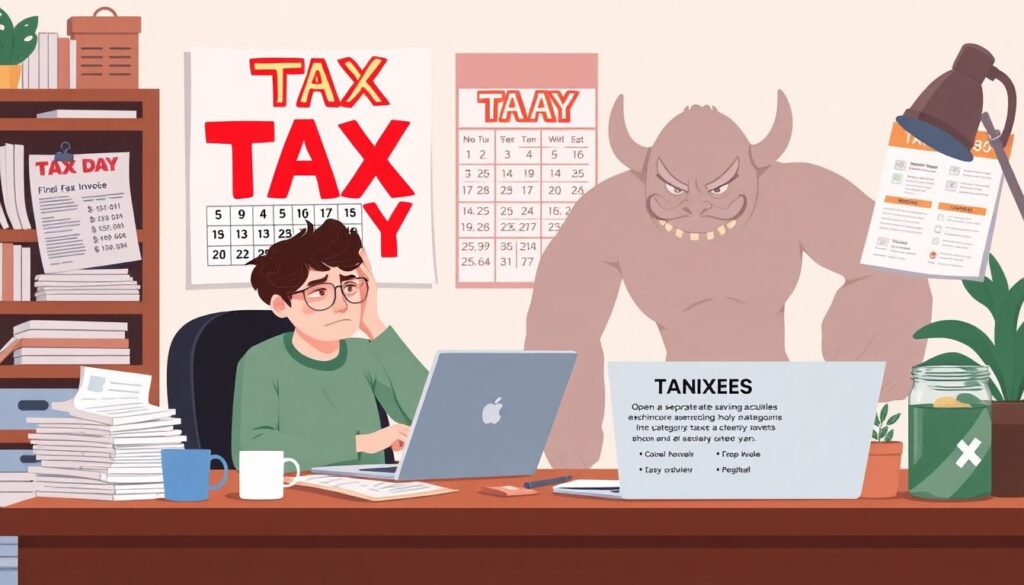
Taxes can feel like the final boss of freelancing, but they’re usually less scary when you stop treating them as a once‑a‑year event. Instead of waiting for a painful surprise in April, think of taxes as a regular “bill” you pay yourself. Open a separate account, and move a percentage of each payment there the same day you get paid. If your situation is complex — multiple countries, several platforms, different currencies — consider using tax planning services for freelancers at least once a year. A focused session with a pro can uncover deductions you’re missing, help you structure your business correctly, and estimate quarterly payments so you’re not panicking when deadlines roll around.
Retirement: Yes, It’s Still a Thing When You’re a Gig Worker
One of the most overlooked parts of financial planning is retirement, especially in the freelance world, where everything feels geared toward “right now.” But retirement plans for self employed and freelancers are far more flexible than many people realize. You can start small with individual accounts that only require modest monthly contributions, then scale up in strong income months. Experts recommend linking your contributions to your revenue: for example, committing 5% of every invoice to your future, and slowly increasing that percentage when your income grows. The key is to start, even with embarrassingly small amounts; compound interest doesn’t care how confident you felt when you sent the money, only that you actually did it.
Working with Professionals Without Losing Your Freedom

You don’t have to walk this road alone. A good financial advisor for freelancers and gig workers understands irregular income, multiple income streams, and the fear of dry months. When interviewing advisors, ask how many self‑employed clients they work with, if they’re fee‑only (paid for advice, not product commissions), and whether they’re comfortable planning around project‑based income. Many freelancers start with a one‑time planning session instead of a long‑term contract: you get a roadmap, some “guardrails,” and the freedom to implement at your own pace. Think of it like hiring a senior consultant for your money — you still run the business, but with better data and fewer blind spots.
Real Cases: How Small Shifts Created Big Changes
Consider Leo, a videographer who constantly felt like he was rebuilding from zero after every big project. His turning point came when a mentor walked him through a basic cash‑flow forecast: expected gigs, typical payment dates, and fixed monthly costs. He realized he didn’t actually have a revenue problem; he had a timing problem. By negotiating partial upfront payments and setting stricter payment terms, he reduced his late invoices by half. Another example: Sara, a copywriter, started treating her business like a client. Every Friday, she spent 30 minutes updating her income and expenses, reviewing goals, and planning next week’s outreach. Within nine months, her income grew, but more importantly, her stress dropped because she could finally see how each decision affected her future.
Step‑by‑Step Path to Level Up Your Money Skills
If you’re not sure where to start, use this simple sequence recommended by many experts who coach independent professionals:
1. Track: For one full month, record every bit of income and spending (no judgment, just data).
2. Separate: Open different accounts for personal use, business income/expenses, and taxes.
3. Stabilize: Decide on a minimum “salary” you pay yourself on the same day each month.
4. Protect: Build a small emergency buffer — even one month of expenses changes how you sleep.
5. Grow: Add regular contributions to debt payoff, investments, or retirement, however small.
Following these steps doesn’t require perfect discipline, only repetition. Miss a week? Pick it up the next one — the momentum matters more than an immaculate streak.
Resources to Keep Learning Without Burning Out
To deepen your knowledge without disappearing into a rabbit hole, mix short, practical resources with occasional expert sessions. Look for podcasts run by CPAs who specialize in solo business owners, YouTube channels where planners break down common freelancer mistakes in plain English, and online communities where independent workers share real numbers and lessons. Many local organizations offer affordable workshops on budgeting, taxes, and investing specifically tailored to freelancers. Combine that with a yearly check‑in with a professional — an accountant, a planner, or a coach who understands your field — and your learning becomes intentional instead of random. Over time, you’ll notice a shift: money stops being a constant background worry and turns into a tool you can shape around the life and work you actually want.
Your Money, Your Rules — With a Plan

Freelancing and gig work are often about choosing freedom over a fixed script, and your finances can reflect that same spirit of choice instead of chaos. You don’t need to become obsessed with numbers; you just need a handful of habits that keep your business and your life steady enough for you to take creative risks. Start with one change this week — opening a separate tax account, testing a budgeting app, or scheduling a call with a specialist — and let that be the first brick in a system that supports you for years. The goal isn’t to turn you into a perfect planner. The goal is simple: more control, less worry, and enough financial breathing room to keep doing the work you actually enjoy.