
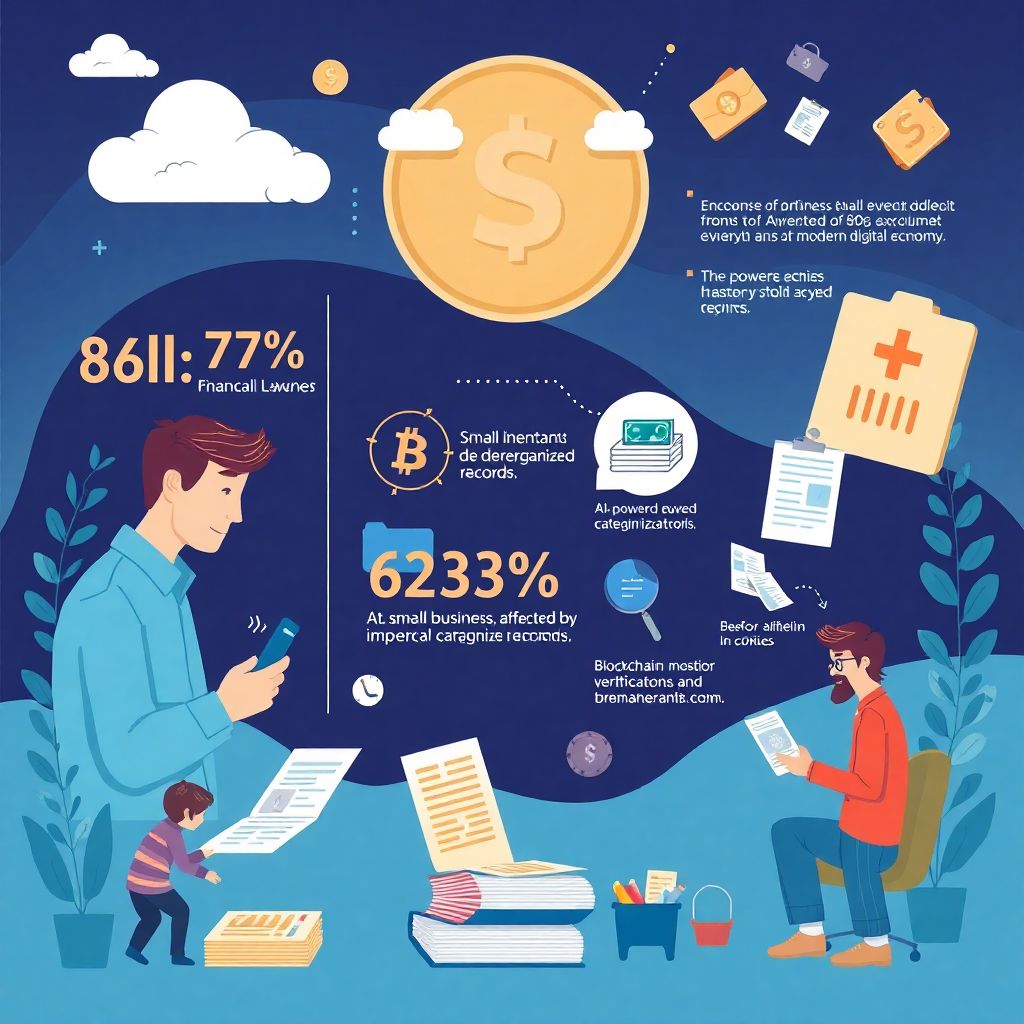
Understanding the Importance of Financial Document Organization

In an increasingly digitized economy, the ability to manage and maintain financial documents is no longer optional—it’s essential. Individuals and businesses alike are recognizing the value of keeping their financial records in order, not only for compliance and tax purposes but also to foster long-term financial stability. According to a 2024 report from the National Financial Educators Council (NFEC), 67% of Americans admitted that disorganized financial records caused them to miss out on tax deductions or incur late fees. This figure was up from 59% in 2022, indicating a growing challenge in personal finance management.
The global shift toward remote work, digital banking, and decentralized finance has increased the volume and complexity of financial documentation. As financial ecosystems evolve, so too must the strategies individuals use to manage their data.
Current Trends and Statistical Insights (2022–2024)

The last three years have seen a marked increase in financial literacy efforts, yet document organization remains a pain point. Key statistics include:
1. Digital Transition: A 2023 survey by Deloitte found that 78% of individuals under 40 now store at least half of their financial documents digitally, compared to just 52% in 2021.
2. Audit Preparedness: The IRS reported in 2024 that 21% of audits resulted in penalties due to incomplete or missing documentation—an increase from 17% in 2022.
3. Business Compliance: Small business owners faced an average of $2,300 in penalties in 2023 due to improper financial recordkeeping, according to a QuickBooks Business Trends report.
These data points underscore the urgent need for practical, scalable methods of financial document organization.
Forecasts: The Future of Financial Document Management
Looking ahead, the financial document management landscape is poised for transformation. By 2027, it is projected that over 85% of financial records will be digitized globally, driven by AI-powered categorization tools and blockchain-based verification systems. The fintech sector is expected to grow at a compound annual growth rate (CAGR) of 16.8%, reaching $492 billion by 2027, with document automation being a significant driver.
In the personal finance space, apps that integrate budgeting, document storage, and real-time financial insights are gaining traction. This convergence suggests an ecosystem where document organization is no longer a manual task but an embedded feature of smart financial systems.
Economic Implications of Disorganized Financial Records
The costs of disorganized financial documentation are both direct and indirect. On the microeconomic level, individuals face penalties, missed investment opportunities, and increased stress. A 2024 study by the American Psychological Association found that 41% of respondents cited financial disorganization as a major source of anxiety.
At the macroeconomic level, inefficiencies in documentation impact tax collection, business compliance, and financial transparency. For example, the U.S. Treasury estimated in 2023 that $12 billion in tax revenue was lost due to inaccurate or incomplete financial reporting by small businesses.
Moreover, lenders and investors increasingly require transparent, well-organized documentation to assess creditworthiness and investment potential. Disorganized records can lead to unfavorable loan terms or rejected funding applications, directly affecting business growth and economic dynamism.
Step-by-Step Guide: Getting Your Financial Documents in Order
To address these challenges, individuals and businesses should adopt a structured approach:
1. Audit Your Current Documentation
Begin by identifying all existing financial documents—tax returns, pay stubs, loan agreements, insurance policies, and bank statements. Categorize them by type and year.
2. Go Digital
Use secure cloud storage or encrypted local drives to digitize physical documents. Services like Dropbox, Google Drive, and Microsoft OneDrive offer reliable solutions with multi-factor authentication.
3. Implement a Naming and Filing System
Create a consistent naming convention, such as “YYYY-MM-DD_Type_Description” (e.g., 2024-04-15_Tax_Return). Organize folders by year and document type.
4. Schedule Regular Reviews
Set calendar reminders to review and update your financial records quarterly. This helps catch discrepancies early and keeps your data up to date.
5. Backup Your Files
Ensure all digital files are backed up regularly—preferably using both cloud and external hard drive methods to mitigate data loss.
6. Secure Sensitive Information
Use encryption software and password managers to protect access to sensitive documents, especially those containing Social Security numbers or banking details.
7. Consult a Financial Advisor or CPA
Professionals can provide guidance on legal retention periods, tax strategies, and compliance requirements tailored to your financial situation.
Industry Impact: Financial Services and Beyond
The ripple effects of improved financial documentation extend across multiple industries. In accounting, automation of document intake and categorization is reducing overhead and increasing client satisfaction. Fintech companies are integrating document organization tools directly into budgeting and banking apps, creating holistic platforms for financial wellness.
In legal services, well-maintained financial records can expedite estate planning, divorce proceedings, and business litigation. Insurance providers also benefit, as organized client records lead to faster claims processing and reduced fraud.
Furthermore, the rise of decentralized finance (DeFi) is introducing new documentation standards, such as wallet verification and smart contract logs. Adapting to these innovations will be critical for both individual users and institutional players.
Conclusion: A Strategic Imperative

Organizing your financial documents is not merely a clerical task—it’s a strategic imperative in the modern financial landscape. With increasing regulatory scrutiny, digital complexity, and economic volatility, maintaining accurate and accessible financial records is a cornerstone of financial resilience.
As we move toward a more data-driven economy, those who invest in robust document management practices today will be better positioned to navigate the uncertainties of tomorrow.