
Understanding ESG: Beyond Buzzwords
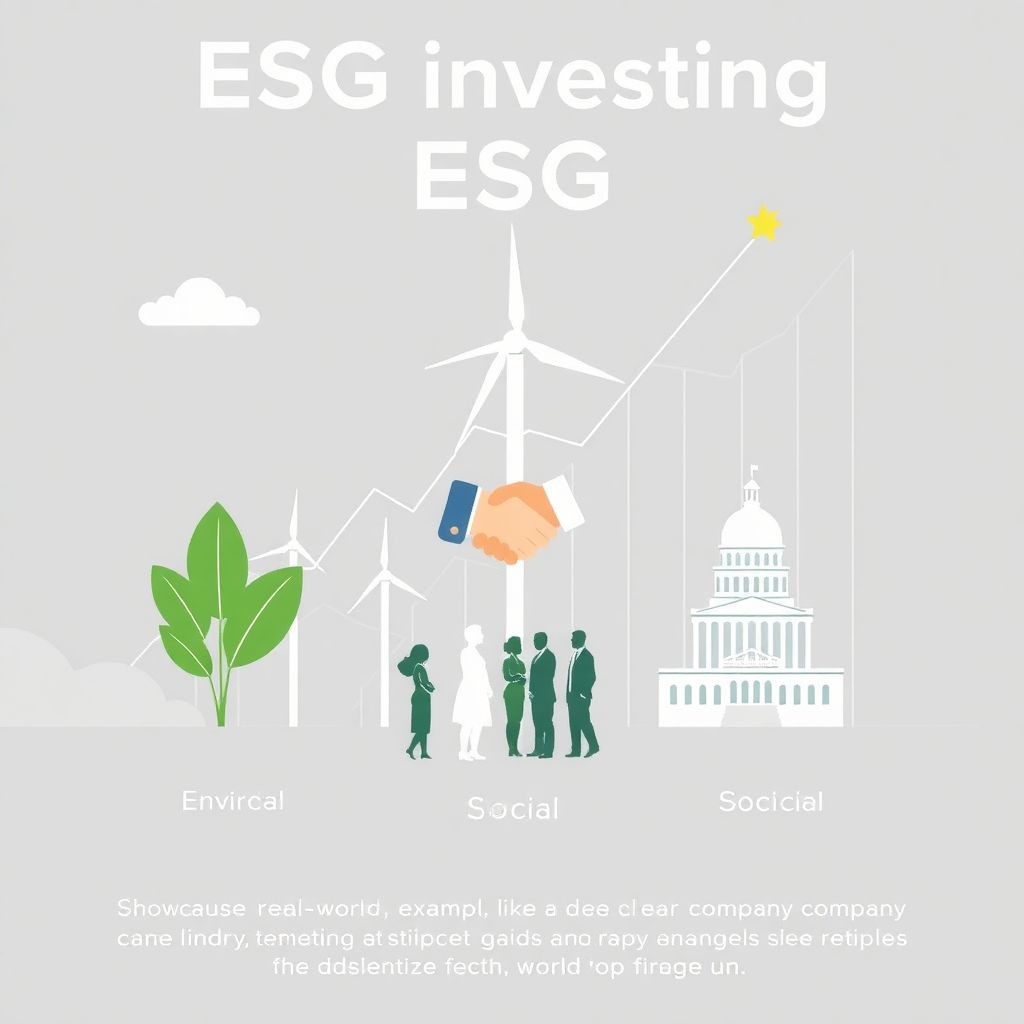
ESG investing for beginners often starts with three simple letters — Environmental, Social, and Governance. While the concept may appear straightforward, real-world application proves more complex. It’s not just about excluding “bad” industries like tobacco or oil. At its best, ESG is a lens through which investors assess long-term corporate resilience and societal impact.
For instance, consider Ørsted, formerly one of Europe’s most coal-intensive energy firms. Through strategic ESG transformation, it pivoted toward clean energy and became a wind power leader. Its share price responded accordingly, outperforming fossil-heavy competitors. This real case shows how sustainable investing guide principles can align with financial success.
How to Start ESG Investing: Foundations First
Beginners often ask: where do I begin? The answer lies in three steps:
– Clarify your values: Are you more inclined toward climate change solutions, human rights, or corporate transparency?
– Match goals with tools: Do you want to reduce risk, boost returns, or make an ethical stand?
– Choose your format: Will you self-manage a portfolio or work through ESG-focused robo-advisors or ETFs?
A key insight: ESG investing isn’t one-size-fits-all. Some investors prioritize carbon-neutral portfolios, while others focus on diversity metrics or supply chain ethics.
Hidden Pitfalls — and Clever Workarounds
One not-so-obvious challenge in ESG investing is data inconsistency. For example, Tesla scores well on environmental innovation but has faced criticism on labor practices, leading to divergent ratings from ESG agencies. This discrepancy can confuse new investors.
To navigate this, consider using blended ESG investment strategies — combining quantitative screens (e.g., low carbon intensity) with qualitative judgment. Also, cross-check ESG ratings from multiple providers like MSCI, Sustainalytics, and Morningstar to uncover blind spots.
Digging Deeper: Alternative Methods in ESG

While mutual funds and ETFs dominate the sustainable investing guide landscape, alternatives are emerging for those seeking innovation or impact.
– Green bonds: Issued to fund climate and environmental projects, they offer lower volatility and growing appeal.
– Shareholder activism: Buying voting shares in public companies lets investors influence ESG policies from within.
– Private ESG funds: Though less liquid, these offer deep impact opportunities — think sustainable agriculture or clean tech startups.
One overlooked method is ESG-themed thematic investing. Funds targeting water infrastructure, gender diversity, or clean transportation allow for pinpointed exposure. In 2023, assets in these focused themes surged, even outperforming broad ESG indices during market turbulence.
Best ESG Funds 2023: What Actually Worked
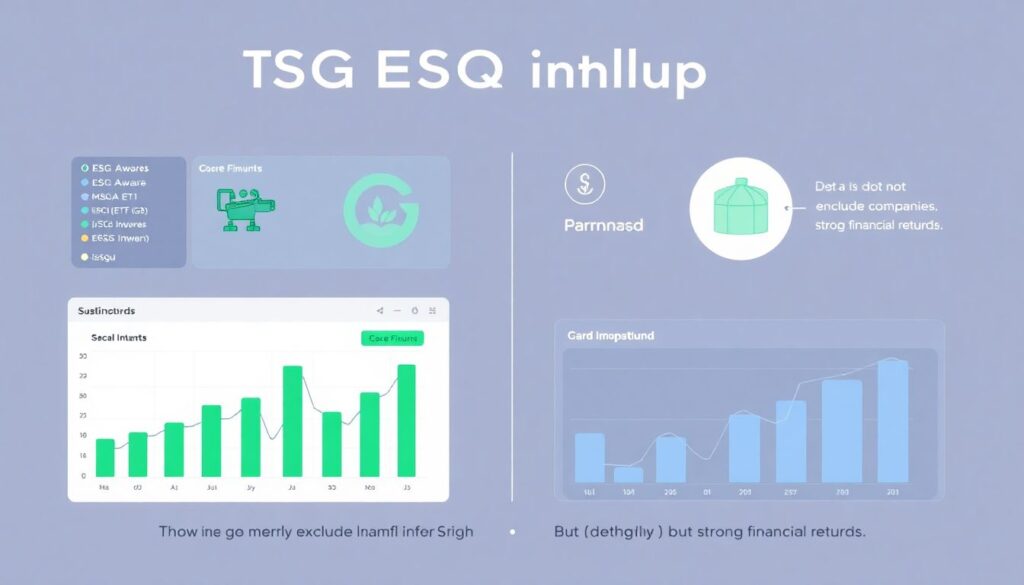
While past performance is not a guarantee, looking at the best ESG funds 2023 can reveal patterns. Funds like iShares ESG Aware MSCI USA ETF (ESGU) and Parnassus Core Equity Fund blended ESG rigor with strong returns.
They didn’t merely exclude “bad actors.” Instead, they overweighted sustainable leaders in tech, healthcare, and green infrastructure. This approach — known as best-in-class selection — aims not for moral perfection but for measurable progress and superior fundamentals.
Professional Tricks: ESG Investing for the Long Haul

Veteran investors deploy advanced ESG tactics that go beyond surface screening. Here are some field-tested insights:
– Use ESG momentum: Companies improving their ESG scores often outperform stagnant peers. Tracking improvements — not just absolute scores — can reveal “hidden gems.”
– Integrate ESG into risk modeling: Instead of treating ESG as a separate layer, embed metrics like carbon exposure or board diversity into portfolio risk assessments.
– Tax-loss harvesting with ESG: Replacing a losing ESG fund with a similar one avoids wash-sale rules while maintaining a sustainable tilt.
Also, consider ESG investing within your retirement accounts. Many 401(k) providers now offer sustainable options — perfect for long-term compounding with values in mind.
The Future of ESG: Complexity Meets Opportunity
While critics warn of “ESG-washing” — superficial claims without substance — the field is maturing. Regulation in Europe and proposed SEC rules in the U.S. aim to clarify standards. As investors become more sophisticated, demand for granular, transparent ESG data is intensifying.
Ultimately, successful ESG investing for beginners hinges on intentionality. Whether you’re setting up your first green ETF or exploring shareholder proposals, the key is alignment — among your values, your risk tolerance, and your financial goals.
Sustainable investing is not just a trend — it’s a toolkit. And with the right approach, it can deliver both conscience and capital gains.