
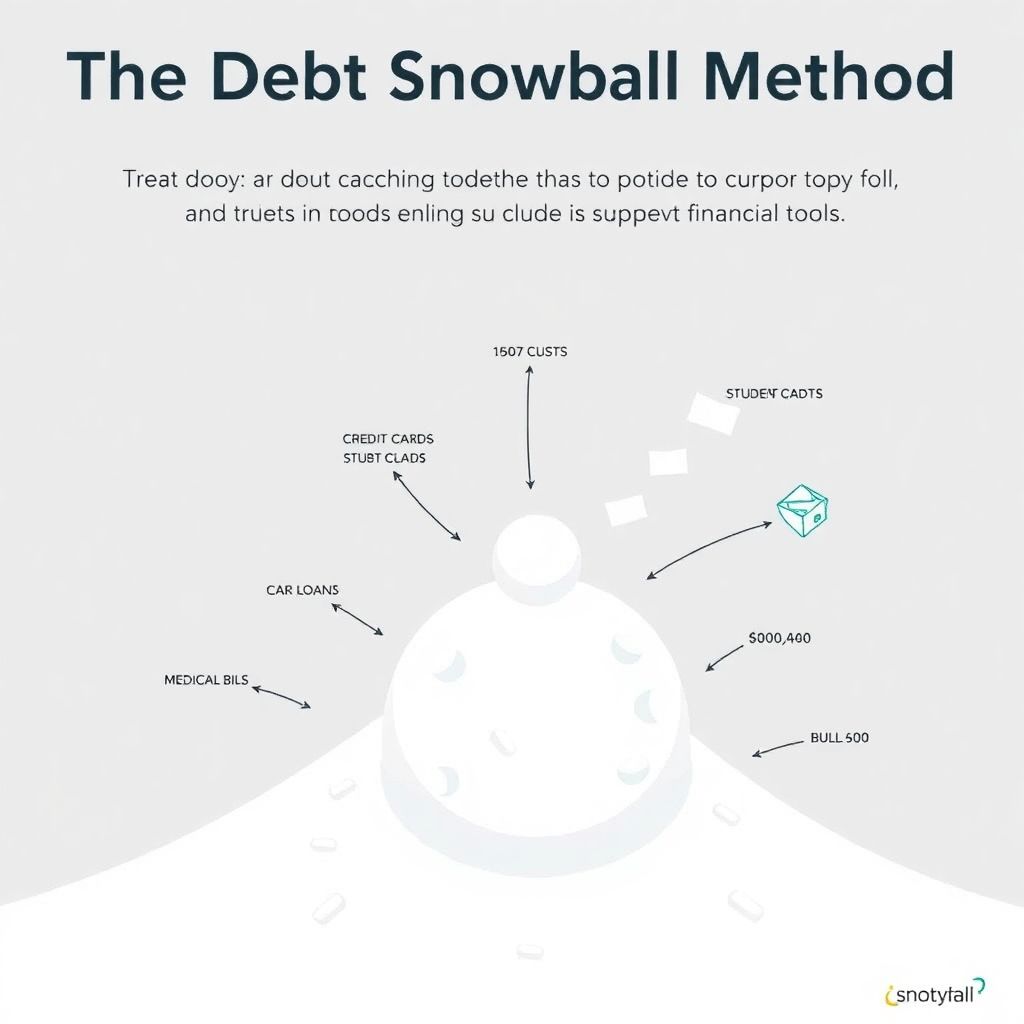
Understanding the Debt Snowball Method: A Foundation for Financial Freedom
The debt snowball method has gained popularity for a reason: it’s psychologically rewarding and relatively easy to implement. The basic idea is to list all your debts from smallest to largest balance, make minimum payments on all but the smallest debt, and allocate any extra money toward paying off the smallest balance. Once that’s paid off, the payment amount rolls into the next smallest debt, creating a “snowball” effect. But while this method is simple in theory, making it actually work in real-life scenarios requires more than just listing debts—it demands structure, strategy, and a shift in financial behavior.
Essential Tools for Building an Effective Debt Snowball Plan
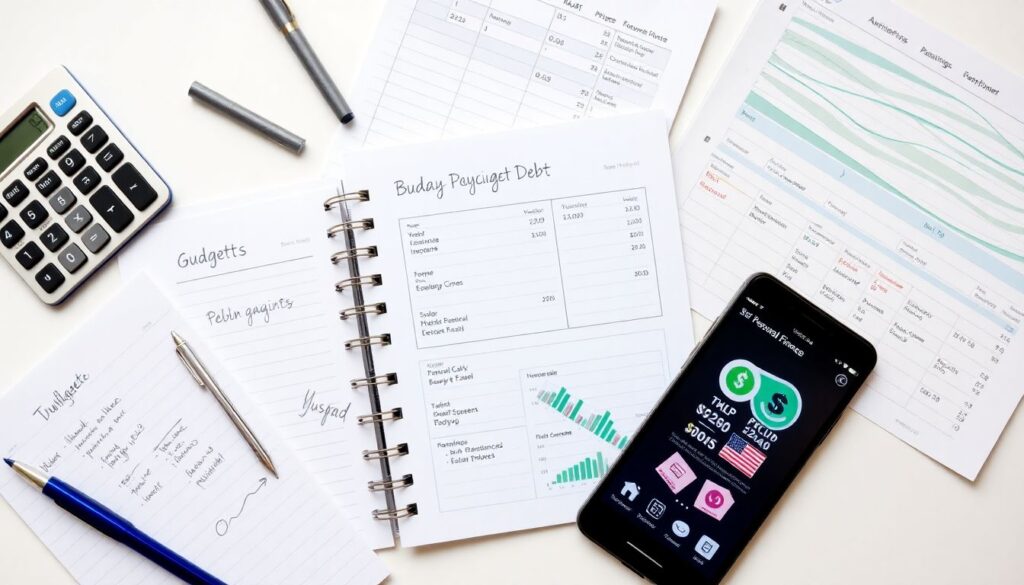
To build a sustainable debt repayment system, you need more than just a calculator and a spreadsheet. Start with a digital or paper-based budget planner to track your income, fixed expenses, and spending habits. Personal finance apps like YNAB (You Need A Budget), EveryDollar, or Goodbudget allow you to tag debts and monitor payments in real time. Combine these with a high-yield savings account to park extra funds that can later be deployed toward your snowball. A whiteboard or debt thermometer chart can also make the process tangible and motivating. Finally, consider automating minimum payments to avoid late fees while focusing your energy on the active debt target.
Step-by-Step Process to Craft Your Personalized Snowball Plan
Step 1: Inventory All Debts
Begin by gathering every outstanding debt you owe, including credit card balances, student loans, car loans, medical bills, and any personal debts. Write down the total amount owed, the minimum payment, interest rate, and due date. While the traditional snowball method ignores interest rates, it’s wise to note them—some hybrid strategies may require flexibility based on cost of borrowing.
Step 2: Rank Debts from Smallest to Largest Balance
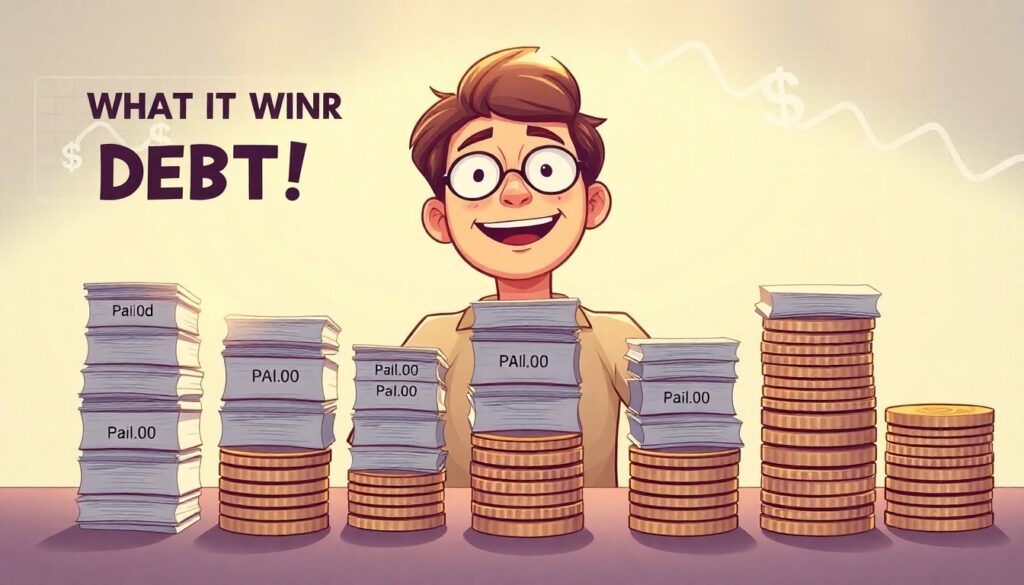
Regardless of interest rate, order your debts from the one with the smallest balance to the largest. The psychological “wins” of paying off smaller debts faster provide momentum, which is key to sustaining long-term motivation. However, if two debts are close in size, and one has a significantly higher interest rate, consider swapping their order.
Step 3: Set a Repayment Budget
Determine how much “extra” money you can feasibly allocate toward your snowball payment. This requires trimming expenses and identifying areas where you can cut back temporarily—subscriptions, dining out, or entertainment. Every dollar matters here, and even small sacrifices quickly compound when redirected toward debt elimination.
Step 4: Attack the Smallest Debt Aggressively
Continue making minimum payments on all debts except the smallest one. Throw every additional dollar at that debt until it’s completely paid off. As soon as it’s eliminated, take the total amount you were applying to that debt and roll it into payments toward the next smallest one. Repeat this until all debts are gone.
Step 5: Reinvest Snowball Momentum
Once the final debt is paid, resist the urge to inflate your lifestyle. Instead, direct that full snowball payment into building an emergency fund or investing in a retirement account. This transition from debt repayment to wealth building ensures that you don’t fall back into old financial patterns.
Troubleshooting the Snowball: What to Do When It Breaks
Even the best-laid plans can face obstacles. Unexpected expenses, income fluctuations, or loss of motivation can derail your snowball. If you hit a roadblock, pause and reassess. Did your expenses increase? Did you lose sight of your “why”? One helpful approach is to create a micro-snowball—tackle debts in clusters when motivation dips, or pivot to a hybrid method where you prioritize high-interest debts first. Gamifying the process with challenges or visual progress trackers can also reengage your interest.
Another common issue is lifestyle creep—when your income increases, but so do your expenses. Nip this in the bud by pre-committing any windfalls (tax refunds, bonuses, or side hustle income) to your debt snowball. Building in accountability, such as sharing your progress with a financial coach or supportive friend, can provide external reinforcement when internal willpower wanes.
Unconventional Tweaks to Supercharge Your Debt Snowball
While the traditional snowball method works, unconventional tactics can make it even more effective. For example, consider “debt stacking” your snowball by temporarily breaking the rule and targeting a high-interest debt first if it’s manageable in size. Another method is to monetize unused assets—sell old electronics, rent out your parking space, or use idle skills for freelance gigs—and use all proceeds to power your snowball.
You can also use the “biweekly payment trick.” Instead of making one monthly payment, split it in half and pay every two weeks. This adds an extra payment per year without much noticeable impact on your monthly budget, accelerating the snowball effect.
Finally, reframe the process mentally—not as deprivation, but as investment in freedom. Create mini-rewards for each debt payoff milestone. Watch how momentum builds not just financially, but emotionally, empowering you to stay the course.
Conclusion: Turning a Simple Strategy into a Lifelong Habit
The debt snowball is more than a repayment strategy—it’s a mindset shift. When executed with discipline and creativity, it creates a powerful psychological and financial momentum. By incorporating flexible tactics, leveraging technology, and staying emotionally engaged, you transform debt elimination into a habit rather than a one-time project. Ultimately, the goal isn’t just to be debt-free, but to become financially resilient—armed with the habits, knowledge, and confidence to stay that way.