

Understanding the Seasonal Business Landscape
Seasonal businesses have existed for centuries, deeply rooted in agricultural cycles, tourism patterns, and cultural traditions. In the 19th century, for instance, farming and fishing communities operated on strict seasonal schedules, with income arriving during harvest or peak catch periods. As economies evolved and tourism became a substantial industry in the 20th century, new types of seasonal ventures emerged—ski resorts, summer camps, and holiday-focused retail shops. In the digital era of 2025, while technology allows better forecasting and automation, the core challenge remains: managing irregular income streams. Effective budgeting has become not just a financial necessity but a strategic imperative for ensuring long-term viability.
Essential Tools for Seasonal Budgeting
Successful budgeting for seasonal businesses requires more than a spreadsheet. Owners should utilize dedicated financial planning software such as QuickBooks, Xero, or advanced tools like Float and PlanGuru, designed to incorporate cash flow projections across fluctuating timeframes. Cloud-based solutions offer real-time access, ensuring better collaboration with accountants or financial advisors. Integration with point-of-sale systems and inventory management software is also critical to track performance data across busy and slow seasons. Additionally, employing forecasting models that incorporate historical sales, weather trends, and market behavior can sharpen planning accuracy. A line of credit or business savings account serves as a safety net during lean months, offering cash flow flexibility without resorting to emergency loans.
Step-by-Step Budgeting Process

Begin by analyzing financial records from at least the past three years. Identify consistent high and low revenue periods and determine fixed vs. variable expenses. Next, calculate a baseline: How much must be earned during peak periods to cover the valleys? Break the year into weekly or monthly segments, mapping out projected income, operational costs, and savings goals. Then, prioritize essential spending during off-season months—such as rent, utilities, and minimal staffing—and defer non-critical investments until cash flow improves. Incorporate cushion margins for unforeseen expenses or demand surges. Lastly, schedule regular budget reviews every quarter to adjust for market shifts, ensuring decisions remain data-driven and responsive rather than reactive.
Addressing and Troubleshooting Budget Challenges
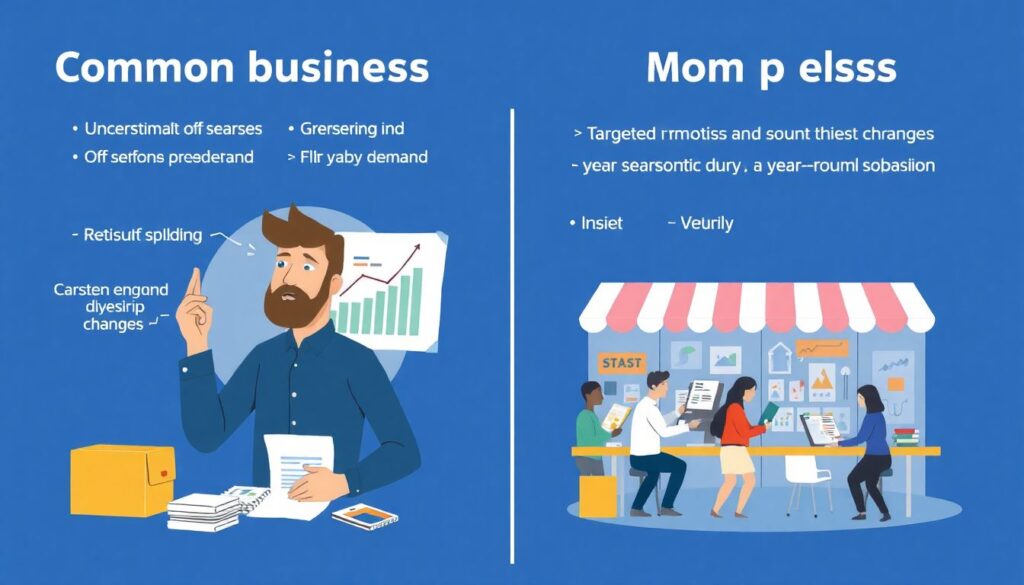
Common pitfalls include underestimating off-season expenses, overinvesting during peak demand, or misjudging customer behavior changes. To address revenue shortfalls, reassess marketing efforts—slow seasons can be ideal for targeted promotions or loyalty programs that cultivate year-round engagement. Evaluate fixed costs and renegotiate contracts if possible, for example by requesting seasonal leases or utility payment adjustments. If cash reserves run low, draw from pre-established emergency funds or rotate inventory to liquidate dormant stock. Another strategy is diversifying income sources—adding online sales, off-season services, or partnering with non-seasonal businesses. Above all, flexibility and continuous monitoring are key. Adaptive strategies, informed by real-time analytics, will keep operations stable even when seasonal shifts are unpredictable.