
Diverse Approaches to Building a Yet Powerful Investment Portfolio
Strategic Diversification vs. Concentrated Bets
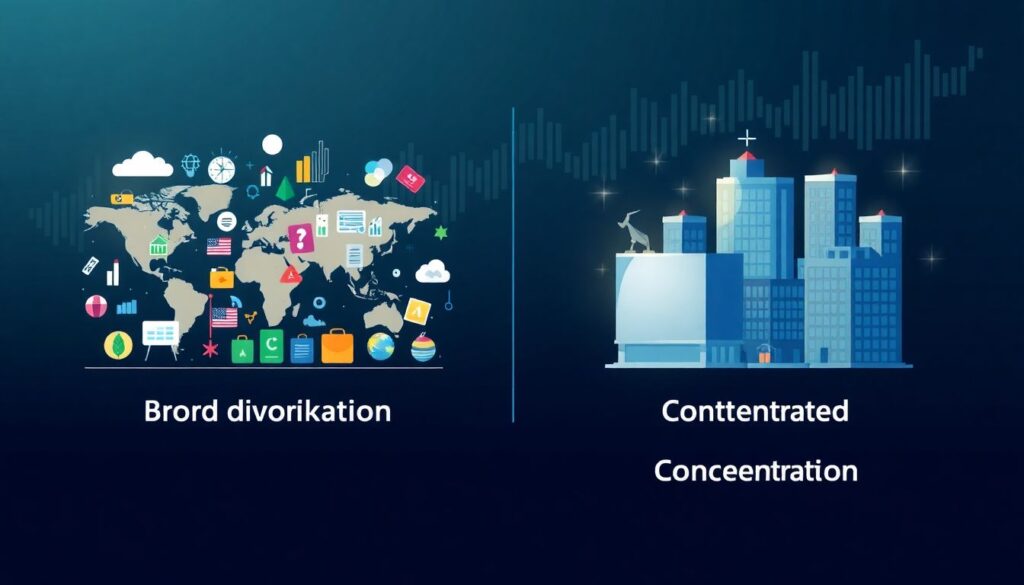
When constructing a modern investment portfolio, investors often face a fundamental choice: broad diversification versus concentrated investing. Diversification reduces exposure to any single asset or risk by spreading capital across different sectors, geographies, and asset classes. This approach aligns with Modern Portfolio Theory, emphasizing risk-adjusted returns. However, it can dilute potential gains during strong bull markets. Conversely, concentrated portfolios—where investors place significant capital in a few high-conviction ideas—can yield outsized returns if the selections outperform. Yet, they inherently carry higher volatility and risk of capital loss. In 2025, with increased market unpredictability and geopolitical tensions, a hybrid model is gaining ground: a core diversified base complemented by a tactical satellite of focused opportunities.
Pros and Cons of Emerging Portfolio Technologies
The integration of digital platforms, robo-advisors, and AI-driven analytics has transformed portfolio management. On the positive side, these technologies enhance data-driven decision-making, reduce management costs, and provide real-time insights. AI algorithms, for example, can process macroeconomic indicators and sentiment data to dynamically adjust allocations. However, overreliance on automated systems may overlook nuanced, qualitative factors—such as political shifts or ESG developments—that algorithms struggle to quantify effectively. Moreover, algorithmic transparency remains an issue, raising concerns about black-box decision-making. Investors should balance automation with human oversight to ensure strategic coherence and adaptability, especially during volatile market cycles.
Expert Recommendations for Optimal Portfolio Construction
Leading financial strategists advocate for a layered approach to portfolio design in 2025. The foundation should include low-cost index funds and ETFs across equities, fixed income, and alternative assets, ensuring resilience. Experts from firms like BlackRock and Vanguard emphasize the importance of global exposure, particularly in emerging markets with strong demographic and productivity trends. Additionally, thematic investing—such as in clean energy, AI, or biotechnology—should be approached with discipline, using small allocations to capture upside without distorting risk profiles. Advisors also recommend periodic rebalancing and stress-testing portfolios under various macroeconomic scenarios to maintain alignment with long-term goals.
Current Trends Shaping the Investment Landscape in 2025
The investment landscape in 2025 is defined by a confluence of innovation, inflationary concerns, and sustainability priorities. Institutional and retail investors alike are increasingly allocating capital toward ESG-compliant assets, not merely for ethical reasons but due to growing evidence of superior risk-adjusted returns. Simultaneously, the rise of tokenized assets and decentralized finance is reshaping how investors access illiquid markets like real estate and private equity. Inflation hedging has also become a priority, with commodities, TIPS, and infrastructure assets gaining favor. Another notable trend is the resurgence of active management in niche markets, where passive strategies struggle to capture inefficiencies. These dynamics underscore the need for adaptability and continuous learning in portfolio management.
Conclusion: Building Resilience with Precision

A truly powerful investment portfolio in 2025 is not defined by aggressive growth or conservative preservation alone. It is a balanced, intentional construct that integrates diverse assets, leverages technology wisely, and reflects both macroeconomic realities and personal objectives. Investors must remain vigilant, question assumptions, and periodically reassess strategy in light of evolving trends. By fusing data analytics with human judgment, and diversification with conviction, it is possible to build a portfolio that not only withstands market turbulence but thrives amidst it.