

Why Debt Counseling Is No Longer a “Last Chance” Move
Debt counseling sounds dramatic, like something you do right before bankruptcy. In reality, it works much better as an early‑warning system than as a rescue operation. The core idea is simple: you borrow the analytical brain of a financial specialist to re‑design your cash flow, restructure your liabilities and, where possible, renegotiate terms with creditors before the situation becomes unmanageable. Modern credit counseling integrates behavioral insights, data analytics and standardized “debt management plans” rather than just generic budgeting tips.
The stigma is outdated. Many financially stable people talk to counselors proactively when they sense their risk profile is getting worse—before missed payments, not after.
The Numbers Behind Rising Debt Pressure
Globally, household leverage keeps creeping up. In the US, total consumer debt passed 17 trillion dollars in 2024, with credit‑card balances alone exceeding 1.1 trillion and average credit‑card APRs regularly above 20%. Similar patterns show up in the UK, Canada and parts of the EU: wages grow slowly, while high‑cost revolving debt expands faster. From a risk‑management standpoint, that means more households are just one job loss or medical bill away from delinquency.
At the same time, default rates are still below what the raw numbers would suggest, partly because credit counseling and structured repayment plans absorb some of the stress. That’s important: it means early intervention is already reducing systemic damage, but only for people who actually use these tools.
When It’s Time to Call In a Professional
You don’t need to be in full‑blown crisis to ask for help. A good mental shortcut: if you’re constantly moving money between cards or payday loans just to “survive the month,” you already have a liquidity problem, not a budgeting quirk.
If at least two of these apply, it’s time to look at professional debt management programs rather than trying another DIY spreadsheet:
1. You’re using new credit to make minimum payments on old credit.
2. Your total unsecured debt (cards, personal loans, BNPL) exceeds your net annual income.
3. You’ve missed or “strategically delayed” payments more than twice in the last six months.
4. You avoid opening bank or card statements because the numbers trigger anxiety.
5. Creditors or collectors have started calling you regularly.
6. You’re considering cashing out retirement funds or selling core assets just to keep up.
If this checklist feels uncomfortably familiar, the problem isn’t willpower; it’s that the math no longer works at your current interest rates and payment structure.
How Debt Counseling Actually Works (Without the Jargon Fog)
Under the hood, counseling is a structured diagnostic and treatment process. A counselor performs something close to a “personal balance‑sheet review”: income, fixed expenses, variable costs, current liabilities, credit scores, and future risk events (like expiring teaser rates). They build a cash‑flow model and stress‑test it against shocks—job loss, rate hikes, health issues.
The practical side for you looks much simpler: you talk, they ask targeted questions, then propose a plan. That plan might be pure coaching and budgeting, or a formal debt management plan where one agency consolidates your payments and negotiates lower interest rates with creditors. You keep legal ownership of the debt; you’re just outsourcing the negotiation and logistics.
Finding Real Expertise, Not Just a Friendly Sales Pitch
“Debt help” is a crowded market, and not all players are aligned with your interests. Some are essentially sales funnels for high‑fee consolidation loans or even questionable “debt settlement” schemes that can wreck your credit profile.
This is why location‑based searches like “debt counseling services near me” should be just a starting point, not your selection criteria. Proximity is convenient, but regulatory status, accreditation (for example, NFCC or FCAA in the US), transparent fee structures and outcome data (completion rates, average interest-rate reductions) matter much more than the office ZIP code.
Unusual But Effective Ways to Use Counseling
Most people approach counseling when they’re drowning. You can be more strategic:
Use it as a stress test before big life changes—starting a business, having a child, relocating to a high‑cost city. A counselor can simulate worst‑case cash‑flow scenarios and show how much buffer you really need.
Or treat counseling as a behavioral finance lab. If you know your weak spots—impulse spending, fear of checking balances, difficulty saying no to family requests—a skilled counselor can help you design “friction systems” such as separate bill‑pay accounts, delayed‑approval rules for big purchases and automatic “cool‑off” periods before you click buy. That’s far more sophisticated than generic “cut lattes” advice.
Credit Scores, Interest Rates and the Economics of Counseling
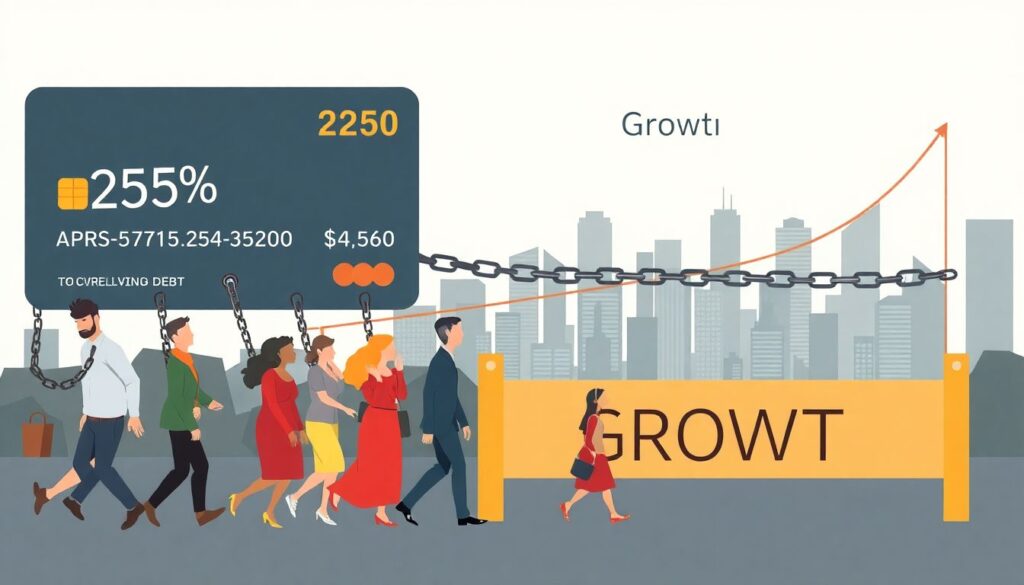
From an economic perspective, high‑cost revolving debt is a drag on both households and the broader economy. Money you pay in 25% APR card interest isn’t available for savings, investment or even regular consumption. Multiply that by millions of households, and you’ve got a structural brake on growth.
Debt counseling targets the spread between your existing average interest rate and a lower, negotiated rate. If a counselor gets your blended APR from, say, 24% down to 8–10% via a structured plan, the savings are not just psychological—they are present‑value gains. Lenders still get repaid, but with less profit margin; in aggregate, that reallocates capital from expensive finance charges back to the real economy.
How Agencies Make Money (and Why That Matters)
Many of the best credit counseling agencies for debt relief use a mixed funding model: modest client fees, “fair share” contributions from creditors, and sometimes grants. This creates an interesting economic alignment: creditors prefer structured repayment through reputable agencies over default or bankruptcy, so they’re willing to give up some interest income in exchange for higher recovery rates.
For you, understanding this model matters because it explains why reputable agencies push repayment and education, not quick‑fix promises. If an “agency” primarily profits by selling you new loans or charging large upfront fees, that’s a red flag rather than a feature.
Nonprofit vs. For‑Profit: Not Just a Label
Nonprofit status doesn’t automatically equal perfection, but it does constrain behavior. Nonprofit debt counseling and consolidation programs are generally required to provide education, disclose all fees and avoid abusive practices. Oversight bodies can and do sanction organizations that cross the line.
That said, some for‑profit firms offer useful niche services, like structured business‑debt workouts or specialized legal support. The key is to understand what you’re buying: is it unbiased counseling, or is the “free consultation” just a sales funnel into expensive products?
Forecasts: Where Debt Counseling Is Headed
Over the next five to ten years, several structural trends will reshape the sector. Rising digital credit (BNPL, instant loans), combined with persistent inflation and wage pressure, is likely to keep household debt levels elevated. Regulators in the US, EU and elsewhere are already scrutinizing lending practices; as underwriting tightens, more borderline borrowers will need help restructuring existing obligations rather than taking on new ones.
At the same time, expect counseling to become more data‑driven. Think automated cash‑flow analysis, AI‑driven risk scoring and customized repayment scenarios generated in minutes, not hours. Used well, these tools can reduce human bias and identify sustainable repayment paths that clients might never think of on their own.
Creative, Non‑Obvious Strategies Counselors Can Help Implement
A good counselor can go beyond “cut expenses, increase income” and suggest unconventional but technically sound approaches:
– Debt‑for‑skill swaps: Instead of side hustles that burn you out, target projects that build marketable skills—coding bootcamps, certifications, language skills. Short‑term, your schedule is tighter; medium‑term, an income jump can compress your repayment timeline far faster than small cost cuts.
– Family capital with written contracts: If relatives offer to help, a counselor can help structure it: written loan terms, repayment schedule, and contingencies. This protects relationships and keeps you within regulatory boundaries, instead of fuzzy verbal promises.
– “Micro‑sinking” funds for triggers: If you know certain months (holidays, school fees, tax season) always explode your budget, build tiny, dedicated sinking funds for each trigger. It’s basically insurance against your own calendar.
– Hybrid repayment sequencing: Instead of pure “avalanche” (highest APR first) or “snowball” (smallest balance first), a counselor may design a hybrid: clear one small account quickly to boost motivation, then redirect that freed‑up cash toward the highest‑APR debt for mathematical efficiency.
These tactics look simple, but implemented consistently in a structured plan, they can materially change your trajectory.
The Industry Impact: Quiet but Significant
On the macro level, effective counseling reduces defaults, charge‑offs and courtroom congestion. That stabilizes credit markets and, over time, can influence pricing—lenders adjust interest‑rate models when they anticipate a higher share of distressed borrowers will rehabilitate through counseling instead of going straight to default.
This also affects the fintech and lending industries: as more borrowers route distress through counselors, lenders see earlier warning signs and can adapt policies—temporary hardship programs, rate adjustments, or product redesigns. It’s a feedback loop: better support mechanisms encourage regulators to allow more flexible products, and those products, in turn, make proactive counseling even more valuable.
How to Choose Help You Can Actually Afford
Cost is often the barrier, especially when money is already tight. Look for affordable debt help from certified counselors who explain their fee structure in plain language and in writing before you sign anything. Initial sessions are often free or very low‑cost; monthly fees for formal plans should be modest relative to the interest savings you’ll gain.
If you feel pressured to sign on the spot, hand over large upfront payments, or stop communicating with your creditors immediately, step back. Transparent professionals welcome second opinions; predatory operators don’t.
A Practical Way to Get Started Today

If you’re on the fence, treat the first counseling session as a fact‑finding mission, not a commitment. Gather 60–90 days of statements, a list of all debts (balances, rates, minimum payments) and your best estimate of monthly living costs. Then schedule one or two intro calls—ideally with agencies that appear in national accreditation directories, not just in ads.
You might walk away with nothing more than a sharpened DIY plan, or you might enroll in a structured program. Either way, you’re making decisions based on clear numbers instead of stress, and that shift—from guesswork to informed strategy—is usually the point where debt stops feeling like a life sentence and starts looking like a solvable engineering problem.