

Understanding Budget Home Renovation: Key Definitions and Scope
In the context of residential construction, *budget home renovation* refers to the process of improving or modernizing a home while maintaining strict cost control. This involves strategic planning, resource allocation, and prioritization of tasks to ensure the best return on investment (ROI) without exceeding financial limits. The term *cost-effective home upgrades* denotes renovations that yield noticeable improvements in functionality or aesthetics at a relatively low cost, often achieved through material substitution, phased implementation, or DIY labor. A successful remodeling strategy under budget constraints requires both technical knowledge and financial discipline.
Financial Planning for Home Renovation: Core Components
Effective *financial planning for home renovation* involves several interdependent stages: setting a realistic budget, forecasting expenses, identifying funding sources, and monitoring cash flow throughout the project. A common approach includes creating a line-item budget that categorizes costs into labor, materials, permits, and contingencies. For example, allocating 10–15% of the total budget for unforeseen expenses is a standard industry practice. Diagrammatically, this can be represented as a pie chart, where each segment corresponds to a budget category, allowing homeowners to visualize and adjust their spending priorities as needed.
Affordable Home Remodeling Ideas: Strategic Cost Reduction
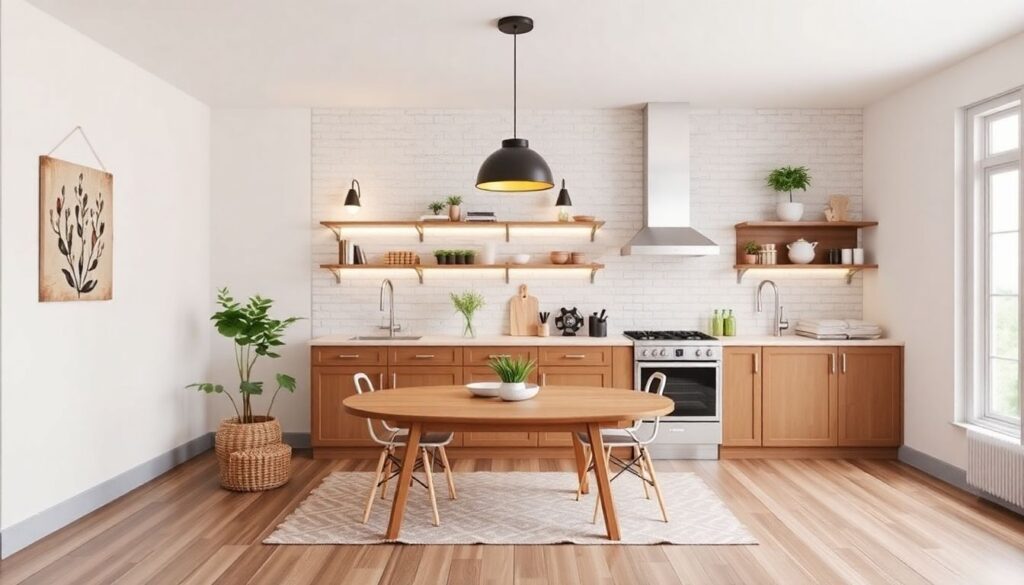
Implementing *affordable home remodeling ideas* often starts with identifying high-impact, low-cost interventions. For instance, repainting walls, replacing cabinet hardware, and upgrading lighting fixtures can significantly enhance interior aesthetics without structural alterations. Compared to full-scale renovations, such as tearing down walls or custom cabinetry, these upgrades require minimal skilled labor and use readily available materials, thus reducing both direct and indirect costs. Additionally, repurposing existing materials—such as refinishing hardwood floors instead of replacing them—can further minimize expenses while maintaining design integrity.
Comparative Analysis: DIY vs. Contractor-Based Remodeling
One of the most critical decisions in remodeling on a budget is choosing between do-it-yourself (DIY) execution and hiring licensed contractors. DIY methods can drastically reduce labor costs, making them ideal for tasks like painting, tiling, or minor plumbing. However, the trade-off lies in time investment and potential quality issues. Conversely, professional contractors offer speed and expertise but at a premium price. A comparative analysis shows that for projects requiring code compliance—such as electrical rewiring or structural modifications—contractors provide better value despite higher upfront costs, due to reduced risk of costly rework or violations.
Cheap Ways to Remodel a House: Material and Method Selection
Exploring *cheap ways to remodel a house* involves optimizing both materials and construction methods. For instance, using engineered wood instead of hardwood, or laminate countertops instead of granite, can yield significant savings while maintaining visual appeal. Modular construction techniques—such as prefabricated cabinetry or ready-to-assemble furniture—also reduce installation time and labor costs. In technical terms, value engineering is applied here: a systematic method to improve the “function-to-cost” ratio by analyzing material performance, lifecycle cost, and ease of maintenance.
Budget Home Renovation Tips: Prioritization and Phasing
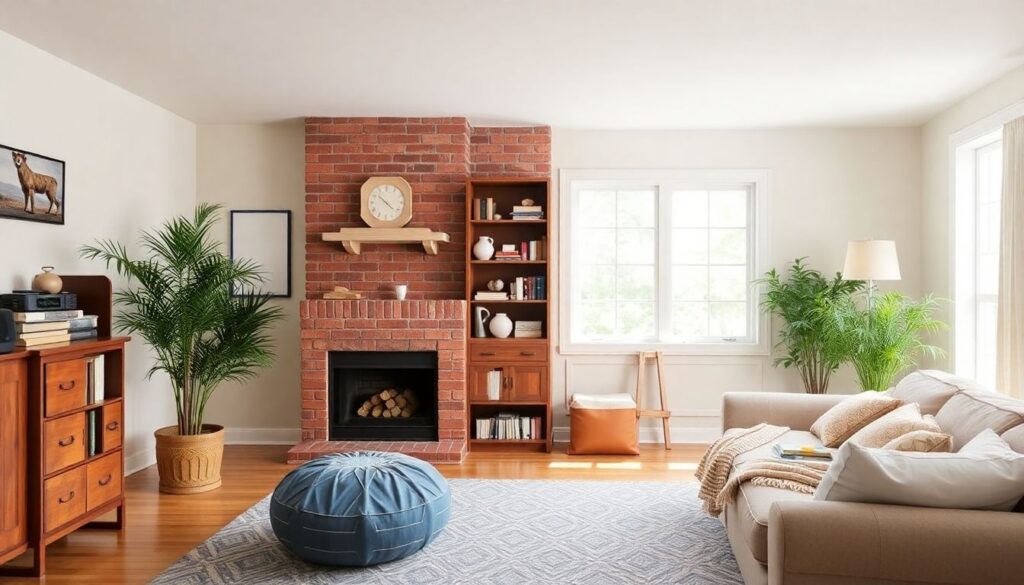
Among the most effective *budget home renovation tips* is the principle of project phasing—dividing the renovation into manageable stages based on urgency and available funds. For instance, addressing structural repairs and energy efficiency (e.g., insulation, window replacement) should precede cosmetic upgrades. Prioritization can be guided by a cost-benefit matrix, where each potential upgrade is evaluated for its impact on property value, energy savings, and occupant comfort. This data-driven approach ensures that limited resources are directed toward the most beneficial improvements first.
Case Study: Practical Application of Budget Remodeling
Consider a 1,200-square-foot single-family home undergoing kitchen and bathroom updates with a $10,000 budget. By reallocating funds—$6,000 for the kitchen and $4,000 for the bathroom—the homeowner opts for refinishing cabinets, installing peel-and-stick backsplash tiles, and upgrading to energy-efficient appliances. In the bathroom, cost-effective upgrades include a new vanity, LED lighting, and vinyl flooring. Through meticulous *financial planning for home renovation*, the project achieves a 12% increase in home appraisal value, demonstrating the effectiveness of targeted, budget-conscious improvements.
Conclusion: Integrating Cost Control with Design Objectives

Remodeling on a budget is not merely about cutting costs—it requires integrating financial constraints with performance and aesthetic goals. By leveraging *affordable home remodeling ideas*, applying principles of value engineering, and adopting a phased approach, homeowners can execute *cost-effective home upgrades* that enhance both livability and property value. The key lies in informed decision-making, continuous budget monitoring, and aligning renovation scope with long-term financial and functional objectives.