
Smart Ways to Reduce Utility Bills Without Sacrificing Comfort
As we step into 2025, utility prices continue to rise across the globe. According to the U.S. Energy Information Administration (EIA), the average residential electricity price in the U.S. increased by 14% from 2021 to 2024. With this trend showing no signs of slowing, homeowners are actively seeking effective strategies on how to reduce utility bills without compromising their quality of life.
The good news? Modern technologies and smarter habits make it entirely possible to lower your energy costs while maintaining — or even improving — your home’s comfort. Below, we explore practical, data-backed solutions that deliver real savings.
Make Your Home Work Smarter, Not Harder

One of the most effective ways to save on energy costs today is upgrading to smart home devices for energy savings. From thermostats to lighting systems, these tools adapt to your daily routine and optimize energy usage automatically.
Smart Thermostats: Set It and Forget It
Devices like the Google Nest or Ecobee SmartThermostat learn your habits and adjust heating and cooling intelligently. A 2023 study by the American Council for an Energy-Efficient Economy (ACEEE) found that homes using smart thermostats saved an average of 10% on heating and 15% on cooling bills annually.
Technical Detail:
Smart thermostats use geofencing and occupancy sensors to avoid heating or cooling when no one is home. They also provide real-time energy reports, helping you track consumption.
> Real-world example: In Chicago, the Martinez family reported a 22% reduction in winter heating costs after installing an Ecobee and programming it to lower temperatures at night and while they’re at work.
Lighting: Small Change, Big Impact
Switching to LED lighting is one of the fastest and easiest ways to reduce electricity bills. LEDs use up to 75% less energy and last 25 times longer than incandescent bulbs, according to the U.S. Department of Energy.
Pro tip: Install smart lighting systems that automatically dim or shut off lights when rooms are unoccupied. You’ll be surprised how much those forgotten hallway lights are costing you.
Seal the Leaks: Insulation and Airtightness
Energy-efficient home improvements like insulation and air sealing remain high-impact investments. The EPA estimates homeowners can save an average of 11% on total energy bills by sealing air leaks and adding insulation in attics, crawl spaces, and basements.
– Use weather stripping on doors and windows
– Seal ductwork with mastic sealant or aluminum tape
– Add spray foam or blown-in insulation to under-insulated areas
> Stat check: According to a 2024 HomeAdvisor survey, homeowners who invested in insulation upgrades reported an average annual energy savings of $210.
Window Upgrades: Not Just for Looks
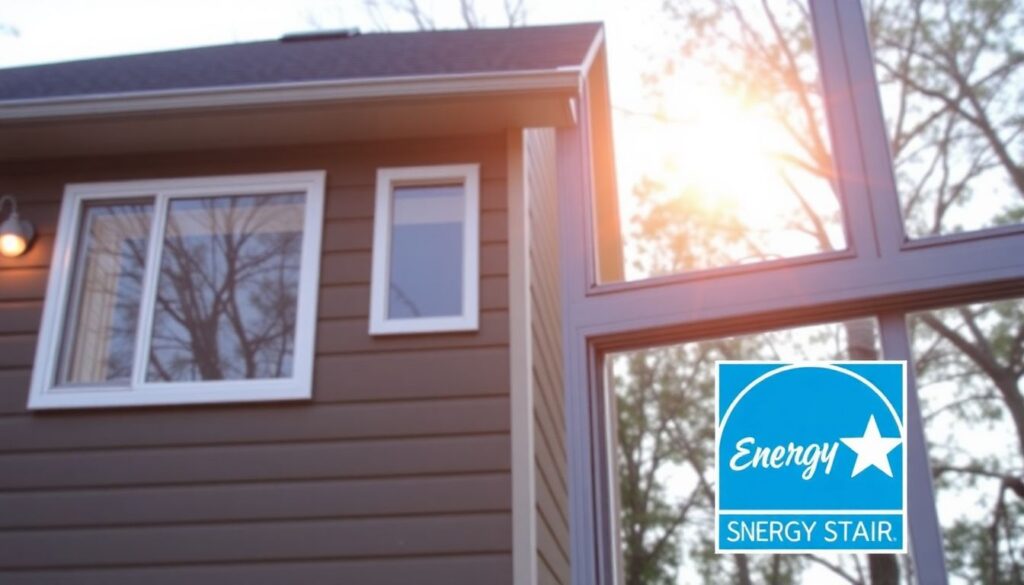
Energy Star–rated windows significantly reduce heat gain in summer and heat loss in winter. Double- or triple-pane windows with low-E coatings reflect infrared light, keeping interiors cooler without extra air conditioning.
Technical Detail:
Low-E (low emissivity) coatings are microscopically thin layers of metal oxide. They reduce the U-factor (rate of heat transfer) and improve thermal efficiency.
> Example: In Phoenix, AZ, a household replaced 20-year-old single-pane windows with Energy Star–certified models in 2023 and saw a 16% drop in their annual utility bills.
Appliances That Earn Their Keep
Old appliances are energy hogs. Replacing them with Energy Star–certified models can yield significant savings over time.
– A new Energy Star refrigerator uses about 9% less energy than models from just 10 years ago
– Front-loading washing machines consume 40–50% less water and 30% less electricity than top-loaders
– Induction cooktops, while pricier upfront, are ~90% energy efficient compared to ~70% for gas
> Case study: The Johnsons in Austin traded their 2008 washer/dryer set for high-efficiency models in 2022. Their monthly electricity bill dropped by $18 on average, amounting to over $200 in annual savings.
Water Heating: The Hidden Cost Center
Water heating accounts for roughly 18% of a home’s energy use. If you’re wondering how to reduce utility bills further, look no further than your water heater.
Go Tankless or Use Heat Pumps
Heat pump water heaters are up to three times more energy efficient than conventional electric models. Tankless systems only heat water when needed, avoiding standby losses.
Technical Detail:
Heat pump water heaters work like reverse refrigerators. They absorb heat from the air and transfer it to the water, making them far more efficient in warm climates.
> Fun fact: A 2023 DOE report found that switching to a heat pump water heater saves the average household around $330 per year in energy costs.
Behavioral Tweaks with Big Payoffs
Sometimes, reducing energy bills comes down to small changes in daily habits. Consider these simple yet effective reduce electricity bill tips:
– Lower your thermostat by 1–2°F in winter and raise it in summer
– Unplug chargers and electronics when not in use
– Run dishwashers and washing machines only with full loads
> Bonus tip: Use ceiling fans to circulate air. In summer, set them to rotate counterclockwise to create a cooling breeze — you may comfortably raise your thermostat by 4°F and still feel just as cool.
Conclusion: Comfort and Savings Can Coexist
With the right mix of energy-efficient home improvements, smart technologies, and mindful habits, cutting your utility bills doesn’t mean cutting corners on comfort. According to the EIA, average household energy consumption in the U.S. fell by 6.2% between 2021 and 2024 — a trend largely driven by smarter homes and informed consumers like you.
Whether you’re investing in smart home devices for energy savings or sealing up your attic, every step counts. Start with one change this month and build from there. Your wallet — and the planet — will thank you.