
Why Your Green Car Budget Matters More Than You Think
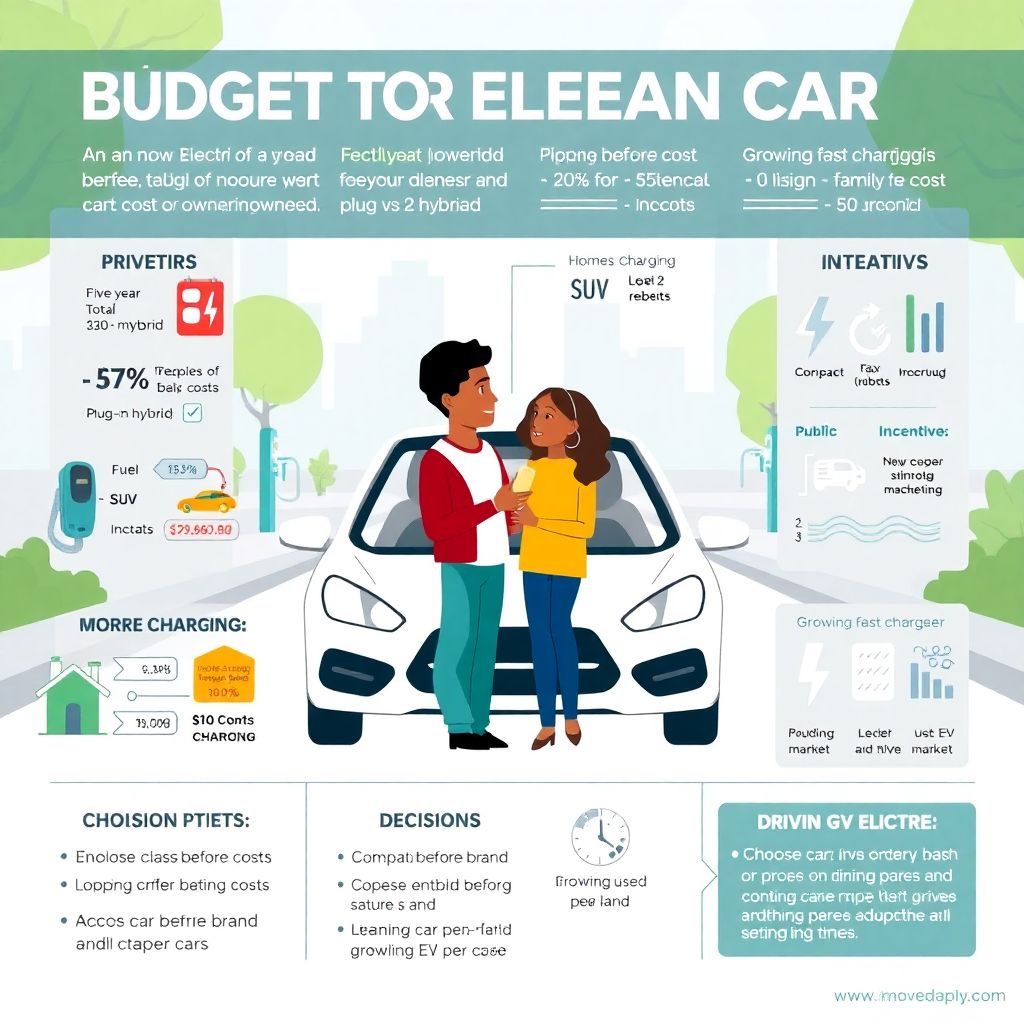
When people dream about going electric or hybrid, they usually picture zero tailpipe emissions, silent rides and slick touchscreens, not spreadsheets. Yet budgeting for a green car purchase is exactly what keeps that dream from turning into a financial headache. According to the IEA, global EV sales passed 14 million in 2023 and could reach around 40–45% of new car sales by 2030, so you’re not early anymore — you’re right in the middle of a fast‑moving market. Treat this like any other big investment: understand the real costs, plan conservatively, and use the incentives and financing tools that already exist to tilt the numbers in your favor instead of letting marketing do the math for you.
Reading the Price Tag the Right Way
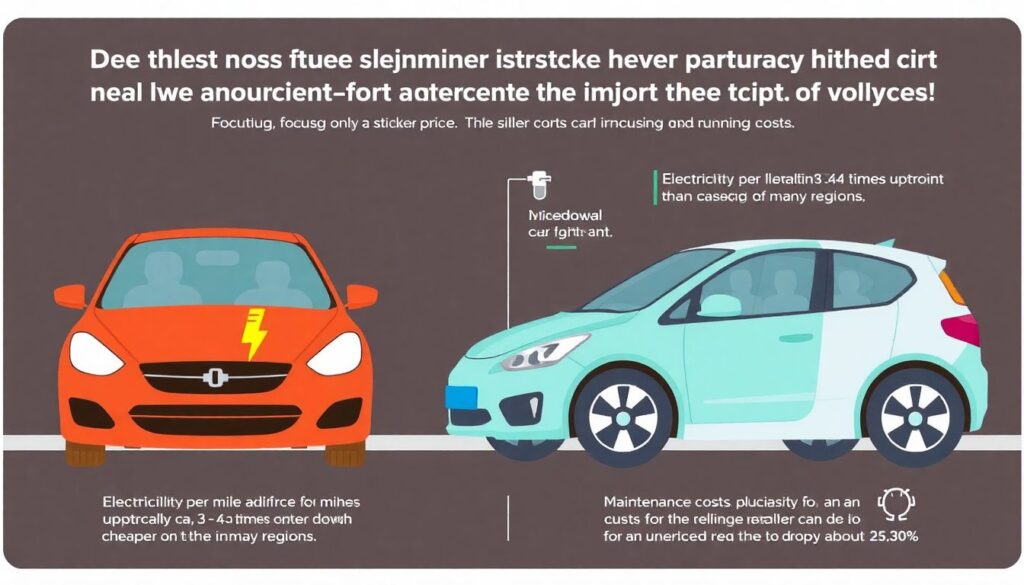
The most common beginner mistake is staring only at the sticker price and ignoring the total cost of ownership. A green car often costs more upfront but less to run. Electricity per mile is typically 3–4 times cheaper than gasoline in many regions, and maintenance on an EV can drop 25–40% because there’s no oil changes, fewer moving parts and less brake wear. When you build a budget, run a simple five‑year scenario: purchase price minus expected resale value, plus charging or fuel, insurance, maintenance and interest. Suddenly, that “expensive” EV may undercut a gas car over time, especially if you commute a lot or live where gasoline is pricey and power rates are stable.
Stats and Trends You Should Actually Care About
There’s a flood of numbers about the EV boom, but only a few really matter when you’re budgeting. First, battery prices have fallen more than 80% over the last decade and are projected to drop further, which slowly reduces purchase prices while improving range. BloombergNEF forecasts that many battery‑electric models will reach price parity with gasoline cars before 2030 in key markets. Second, used EV inventory has grown quickly since 2021, pushing down prices and expanding choice for budget‑conscious drivers. Finally, public fast‑charging networks are scaling fast, yet home and workplace charging still cover the majority of daily needs. Those trends hint that buying slightly used and prioritizing home charging can dramatically improve your long‑term financial picture.
Choosing a Car Class Before Choosing a Brand
Another rookie slip is falling in love with a brand or a specific model before deciding what class of vehicle you truly need. Start with function, not logo: compact commuter, small SUV, family hauler, or long‑distance workhorse. Within each class there are candidates that could be among the best green cars to buy 2025, but their financial impact on your life will differ wildly. Overbuying is a huge silent cost: that oversized SUV may mean higher insurance, bigger tire bills and more expensive repairs. Underbuying is just as bad; if you ignore your real cargo and range needs, you might end up selling too early, swallowing depreciation you hadn’t budgeted for. Define your use‑case in miles, passengers and lifestyle first; only then shop for models.
Hybrid vs Electric: Cost Comparison Without the Hype
You’ll see heated online debates, yet a calm hybrid vs electric car cost comparison starts with your driving pattern. Hybrids shine if fuel is expensive, electricity is costly or unreliable, and you drive many long highway trips without easy fast charging. Full EVs dominate if you mostly commute under 60–80 miles a day, can charge at home or work and live in an area with decent charging coverage. Hybrids usually have a lower purchase price and familiar fueling, but they still require conventional maintenance. EVs cut ongoing costs further but can require a home charger and might need pricier insurance. Run numbers for both: amortize a home charger over five years, then compare monthly “all‑in” spending instead of just the monthly payment on the car.
Building a Realistic Green Car Budget
Let’s assemble a budget step by step. First, be brutally honest about how much cash you can put down without draining your emergency fund; dipping too deep into savings is a typical error that leaves no buffer for surprises. Second, figure out the maximum monthly amount you can afford for everything car‑related: loan or lease, fuel or electricity, insurance, maintenance, parking and tolls. A lot of buyers only focus on the payment offer and forget the running costs, then wonder why their bank account feels squeezed. Third, treat government incentives for electric car purchase as a bonus, not a prerequisite; programs change, run out of funding or have eligibility traps. If the deal only works with the maximum subsidy, it’s too tight for comfort.
Using Incentives Without Getting Trapped
Incentives can be powerful, but they’re not free money if they push you into buying more car than you need. Many regions offer tax credits, rebates or reduced registration fees for EVs and plug‑in hybrids. Some also provide perks like access to bus lanes, discounted tolls or free parking. The subtle mistake: people anchor on the incentive and “upgrade” to a pricier trim or bigger battery they don’t truly require, basically handing their savings right back to the dealer. When you plan your budget, run calculations both with and without all available programs. If the numbers look healthy even in a zero‑incentive scenario, anything you actually receive becomes a genuine financial win instead of a justification for overspending.
Financing, Leasing and Cash: Picking the Right Tool
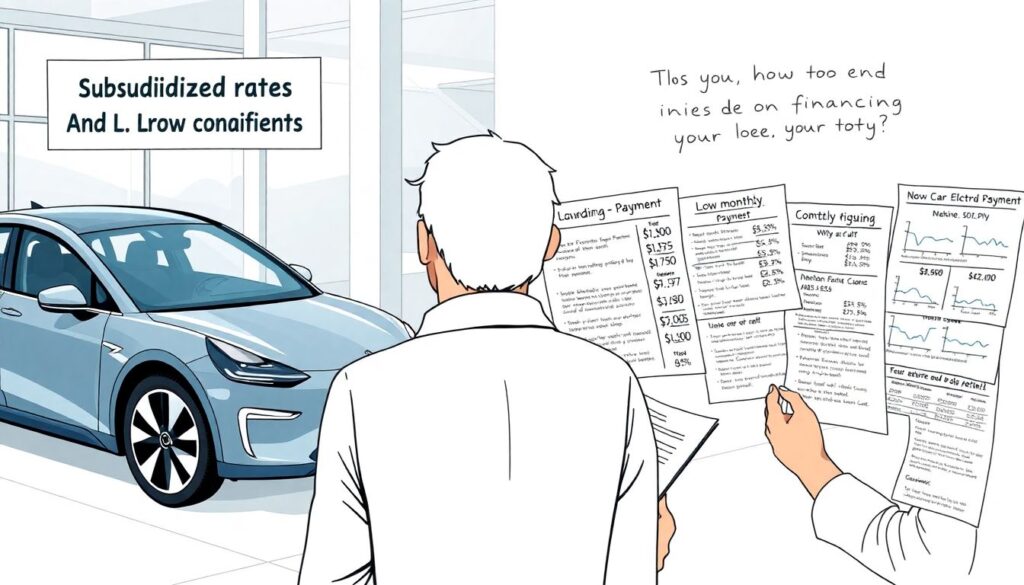
Financing structure can make or break your budget more than the final negotiated price. With electric car financing and leasing deals, manufacturers often subsidize interest rates to push volume, which can turn a more expensive car into a manageable monthly payment. However, low monthly figures sometimes hide long terms and large balloon payments, locking you into a car that may lose value faster than you pay it off. Leasing can be smart if you want to upgrade frequently as battery tech improves, but be sure your yearly mileage fits the contract. Over‑miles penalties add up fast. Paying cash avoids interest but concentrates risk; if it drains your liquidity, a modest loan might actually be the safer financial move.
New vs Used: Where Budget Buyers Often Slip
A lot of first‑time green buyers assume they must go new because they fear battery degradation or outdated tech in used models. That anxiety can push them away from genuinely affordable electric cars for budget buyers on the second‑hand market. In reality, modern EV batteries typically retain 70–80% capacity even after eight years if treated reasonably, and many carry long warranties on the pack. The real risk is not age alone but incomplete service history, abuse and unsupported early‑generation models. When you budget, compare a three‑year‑old EV with a new hybrid, including warranty coverage and expected depreciation from today forward. Often the lightly used option delivers a far lower total cost with minimal trade‑offs in range and features.
Charging Costs: The Hidden Line Item
Many newcomers underestimate how much charging strategy affects their monthly numbers. Home charging, especially at off‑peak rates, is usually the cheapest method and should be the baseline of your budget. Installing a Level 2 charger might cost a noticeable sum upfront, but spread over several years it can add only a small amount per month. Public DC fast charging, by contrast, can approach or even exceed per‑mile gasoline prices in some locations, turning planned savings into disappointment. A typical beginner mistake is buying an EV before confirming home or workplace charging feasibility, then relying heavily on fast chargers. Before signing anything, talk to your utility about EV tariffs, check landlord or HOA rules and bake realistic charging costs into your projections.
Insurance, Maintenance and Resale: Don’t Guess
Another area where people wing it is insurance and long‑term maintenance. Some EVs and hybrids cost more to insure because of higher repair costs, specialized parts or limited repair networks. Get real quotes for specific models before you fall in love. On maintenance, many EVs need less routine work, but items like tires and brake servicing still matter, especially on heavier vehicles. Resale value is also shifting quickly: certain well‑known models retain value strongly, while others depreciate faster as new competitors arrive. Spend time checking used listings and depreciation curves for the models you’re considering. Your budget should include a conservative estimate of what the car might be worth when you plan to sell or trade it in.
What Newcomers Often Get Wrong
Let’s unpack the classic rookie mistakes so you can consciously avoid them. First, they equate “green” with “cheap to own” and assume any EV will automatically save money, without crunching numbers on insurance, charging and resale. Second, they ignore their real driving profile and buy the wrong drivetrain or battery size, either overpaying for range they never use or suffering from range anxiety that pushes them into frequent fast charging. Third, they chase the shiniest tech and infotainment instead of strong warranties and proven reliability. And finally, they sign on to the first attractive finance offer without reading the small print on fees, mileage caps or end‑of‑term conditions, undermining their carefully planned budget.
How Budget Choices Shape the Auto Industry
Your individual decision sits inside a larger industrial shift. As more buyers run serious numbers and prioritize efficiency and lifecycle cost, demand is steering automakers toward cleaner drivetrains and smarter software instead of just horsepower. Fleet managers and private buyers are nudging manufacturers to expand charging infrastructure and improve reliability, not simply marketing range. When consumers gravitate toward models that balance price, durability and battery sustainability, factories retool to produce more mid‑segment EVs and plug‑in hybrids instead of only premium showcases. Over time, this demand profile pushes suppliers to invest in better batteries, cheaper power electronics and recycling capabilities, gradually lowering prices for the next wave of budget‑minded green car buyers.
Market Forecasts and What They Mean for Your Timing
Forecasts suggest EV and hybrid options will keep broadening, especially in the compact and crossover categories where most households shop. That means more competition, better equipment at lower prices and wider charging coverage. However, waiting forever for the “perfect” next generation is another silent mistake; tech will always improve. A practical approach is to buy when a model meets your needs comfortably for at least five to seven years and fits a conservative budget today. Keep an eye on upcoming models and incentives, especially in the context of best green cars to buy 2025, but don’t hinge your entire plan on rumors. Let your finances and driving needs, not hype cycles, dictate whether you pull the trigger this year or next.
Pulling It All Together
Budgeting for a green car is less about spreadsheets for their own sake and more about forcing clarity. You’re matching real‑world habits, local energy prices, available incentives and evolving technology into one coherent decision. Use hard numbers to compare options, including a side‑by‑side hybrid vs electric car cost comparison tailored to your mileage and charging access. Treat financing offers as tools, not temptations. Most importantly, design your budget so that even if fuel prices, incentives or resale values move against you, you’re still comfortable. Do that, and your green car won’t just help the environment — it will quietly support your long‑term financial health instead of undermining it.