
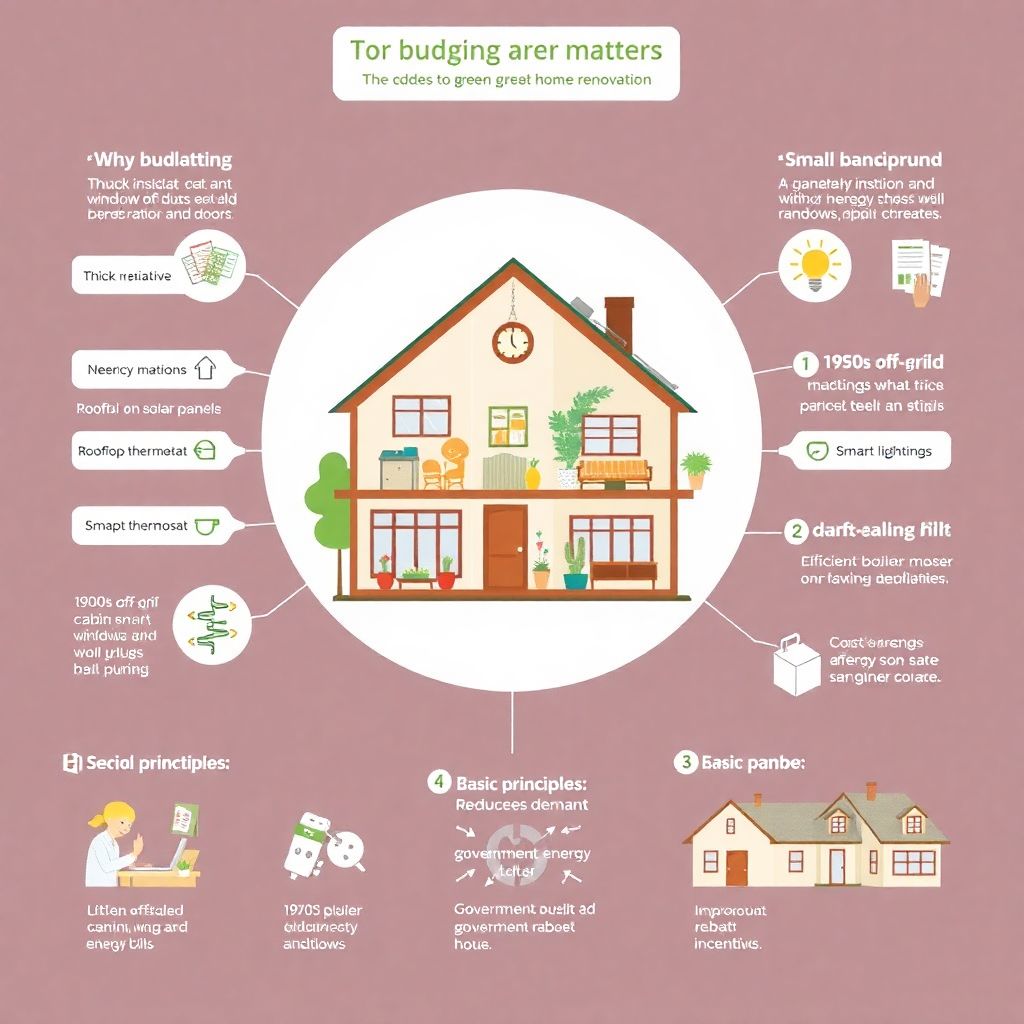
Why budgeting for a green home really matters
Want a greener house but scared it will eat your entire savings? You’re not alone. Many people dive into green home renovation budget planning with lots of enthusiasm and zero structure, then give up when quotes start flying. The trick is to treat energy upgrades like any other investment: you look at what you spend now, what you’ll save later, and how quickly it pays back. With a bit of planning, a “green home” stops being a vague dream and turns into a series of clear, affordable steps.
Historical background: from hippie cabins to mainstream upgrades
Energy‑efficient housing used to be a niche thing in the 1970s, associated with solar panels on off‑grid cabins and thick wool sweaters instead of heating. After oil crises and energy shocks, people started caring about insulation and airtight windows, but the tech was pricey and clunky. Over the last two decades, materials got better, codes tightened, and climate policies spread. That’s when governments began offering government rebates for energy efficient home upgrades, nudging regular homeowners to insulate, seal leaks, and swap out old boilers without going broke.
Basic principles: how to think about money and energy
Before picking gadgets, you need a logic. A practical rule: first reduce energy demand, then improve efficiency, and only after that add renewable energy. In budgeting terms, that means you check where heat and electricity leak out of your home, estimate the energy efficient home upgrades cost for fixing those leaks, and compare it with projected savings on bills. This helps you sort projects into “must‑do now,” “do soon,” and “nice‑to‑have later,” instead of just buying the coolest tech you see online.
Seeing your home as a system, not a shopping list
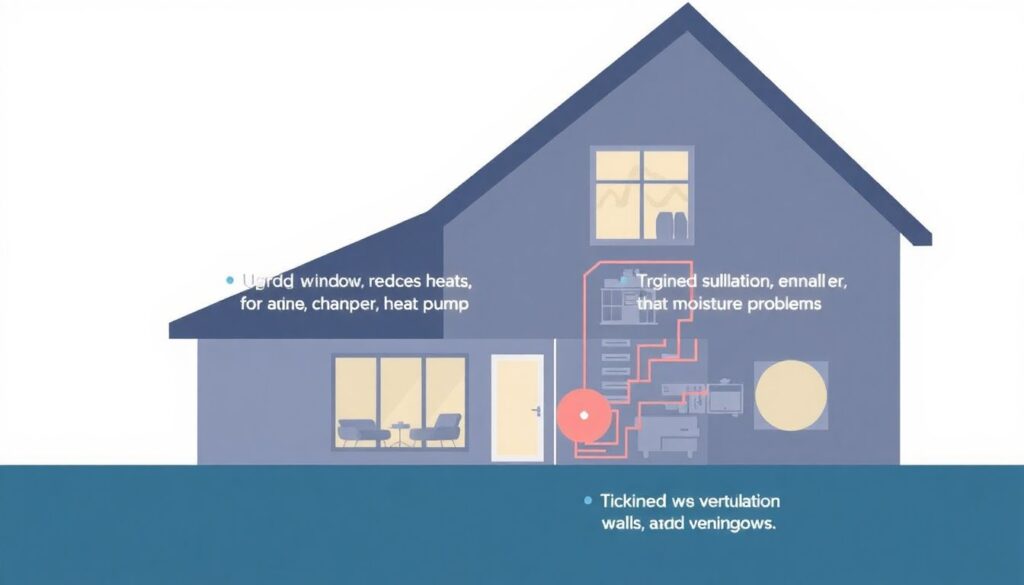
A home is like a body: changing one organ affects others. Better windows mean less heat loss, which might allow a smaller, cheaper heat pump. Tightening the building envelope may require better ventilation to avoid moisture problems. When you look for the best energy saving improvements for homes, start with an energy audit or at least a basic checklist: insulation, air leaks, heating system, hot water, then lighting and appliances. Budgeting this way cuts out random spending and helps you avoid fixing the same issue twice.
Planning the budget: numbers without the headache
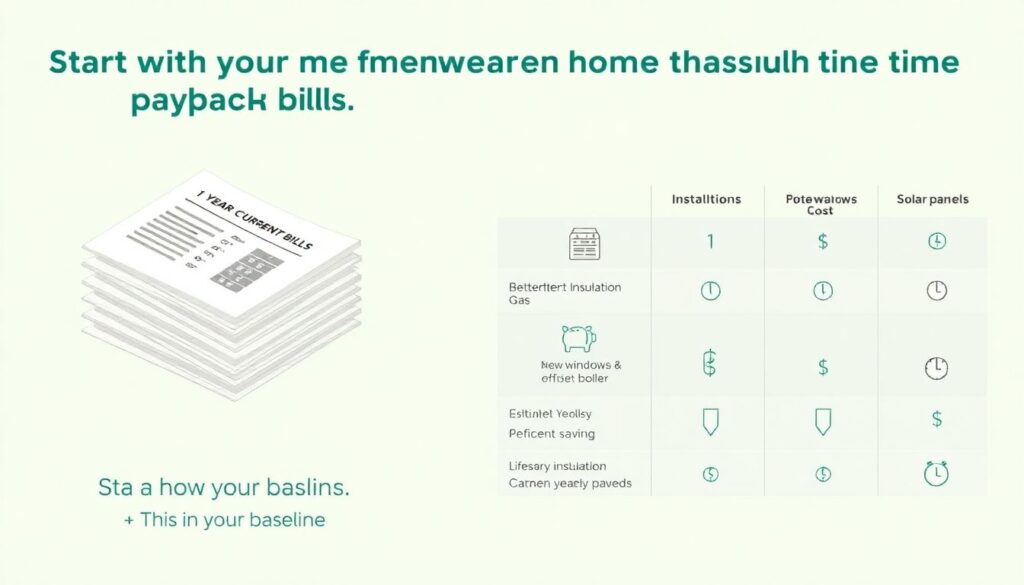
Start with your current bills: add up one full year of electricity, gas, oil, or other fuels. That’s your “baseline.” Then, for each potential upgrade, collect three things: rough installation price, estimated yearly savings, and lifespan. This lets you see which projects have the best payback. Some homeowners are shocked when they see that a boring attic insulation job can beat a flashy solar array in terms of payback, even if the solar looks more “green” on Instagram. The point is not guilt; it’s sequencing upgrades so each euro or dollar works harder.
Examples of implementation: small wins and bigger overhauls
A tight budget in a small apartment
Imagine you rent or own a small flat with old windows and outdated lighting. You may not be able to rebuild walls, but you can still tackle affordable eco friendly home improvement ideas. Swapping to LED bulbs, adding smart plugs, sealing window drafts with inexpensive strips, and installing smart thermostats or radiator valves can cut a surprising chunk off your bills. These are low‑risk moves with short payback times, ideal when your budget is modest and you don’t want a full‑blown renovation chaos in your living room.
A phased plan for a family house
Now picture a 30‑year‑old family house. In year one, you insulate the attic and seal obvious air leaks; this is cheap compared to a full façade and often brings instant comfort. In year two, you replace the old boiler with a heat pump or at least a high‑efficiency condensing unit and maybe a smart thermostat. Later, you consider rooftop solar once your overall demand is lower. This phased approach keeps cash flow manageable and makes every later upgrade more effective, instead of oversizing equipment for a leaky shell.
Where incentives fit into your budget
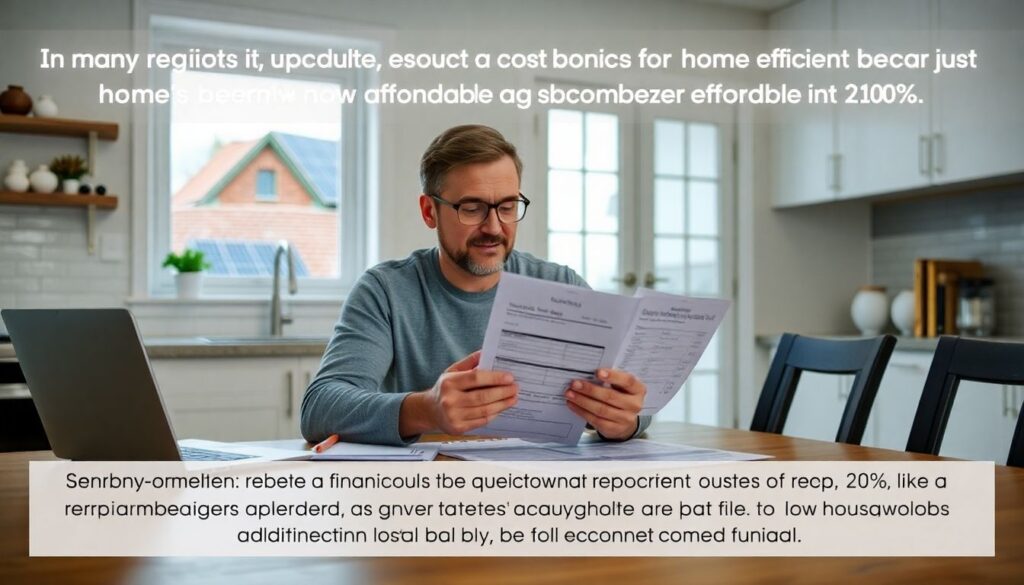
In many regions, subsidies are not just a bonus; they totally change what becomes affordable. Check local and national programs before signing any contract, because government rebates for energy efficient home upgrades can slice 20–40% off the bill, sometimes more for low‑income households. The catch: paperwork, deadlines, and specific product requirements. Build that into your schedule and budget from the start. Some installers even help with forms, but don’t rely blindly on them; read basic eligibility rules yourself so you don’t miss out over a small technicality.
Frequent mistakes and misconceptions beginners make
Top budgeting errors to avoid
1. Focusing only on gadgetry
People often spend big on solar panels or fancy smart‑home hubs while the attic still leaks heat like a sieve. Skipping the dull stuff means the overall energy efficient home upgrades cost goes up and payback stretches out. Always handle insulation and air sealing first.
2. Ignoring long‑term costs
A cheap boiler that eats fuel and needs constant repairs is not really cheap. Newcomers look only at the invoice price instead of lifetime cost. Compare purchase, maintenance, and energy over 10–15 years; that’s where many “bargains” stop looking attractive.
3. Underestimating comfort and health benefits
Some owners judge upgrades solely by euros saved. They forget less draft, stable temperatures, and cleaner air also matter. When you weigh options, factor in noise reduction, fewer cold corners, and less condensation or mold. These aren’t just luxuries; they influence health and property value.
4. No clear priority list
Without priorities, you end up doing random half‑measures. A better path is ranking projects by payback, urgency (like a dying furnace), and how they interact. That’s the essence of smart green home renovation budget planning: it prevents you from tearing down fresh work a year later because you “suddenly” need new wiring or ducts.
5. Believing only big money makes a difference
Many beginners think you must commit to a huge, once‑in‑a‑lifetime renovation. In reality, the best energy saving improvements for homes often start small: fixing door seals, balancing radiators, or adjusting boiler temperatures. Add one upgrade per year, guided by a simple plan, and the combined effect stacks up. Treat your home like a long‑term project, not a one‑week miracle, and your budget—and nerves—will thank you.