
Why Saving For Milestones Matters More Than Ever
The real cost of “I’ll just put it on the card”
Big life moments feel like they justify big debt. A wedding, a first baby, moving abroad, a dream anniversary trip – all of that is emotional, and debt loves emotion. The problem is simple: you enjoy the occasion for a day, but you drag the payments for years. You pay interest on flowers you barely remember and on gadgets you no longer use. Learning how to save money for a wedding without going into debt, or for any major event, is less about restriction and more about buying freedom. When the celebration is fully paid for, you get the memories without the monthly bill and, just as important, without the background anxiety that quietly poisons what should have been a good memory.
Debt-free milestones as a lifestyle choice
Choosing milestones without debt is basically deciding that no event is worth future stress. It’s a mindset: “If I can’t enjoy it paid-in-full, I’ll shrink it, delay it, or change the format.” That one decision changes how you plan almost everything.
Different Approaches To Saving For Special Occasions
Classic envelope method vs digital tools

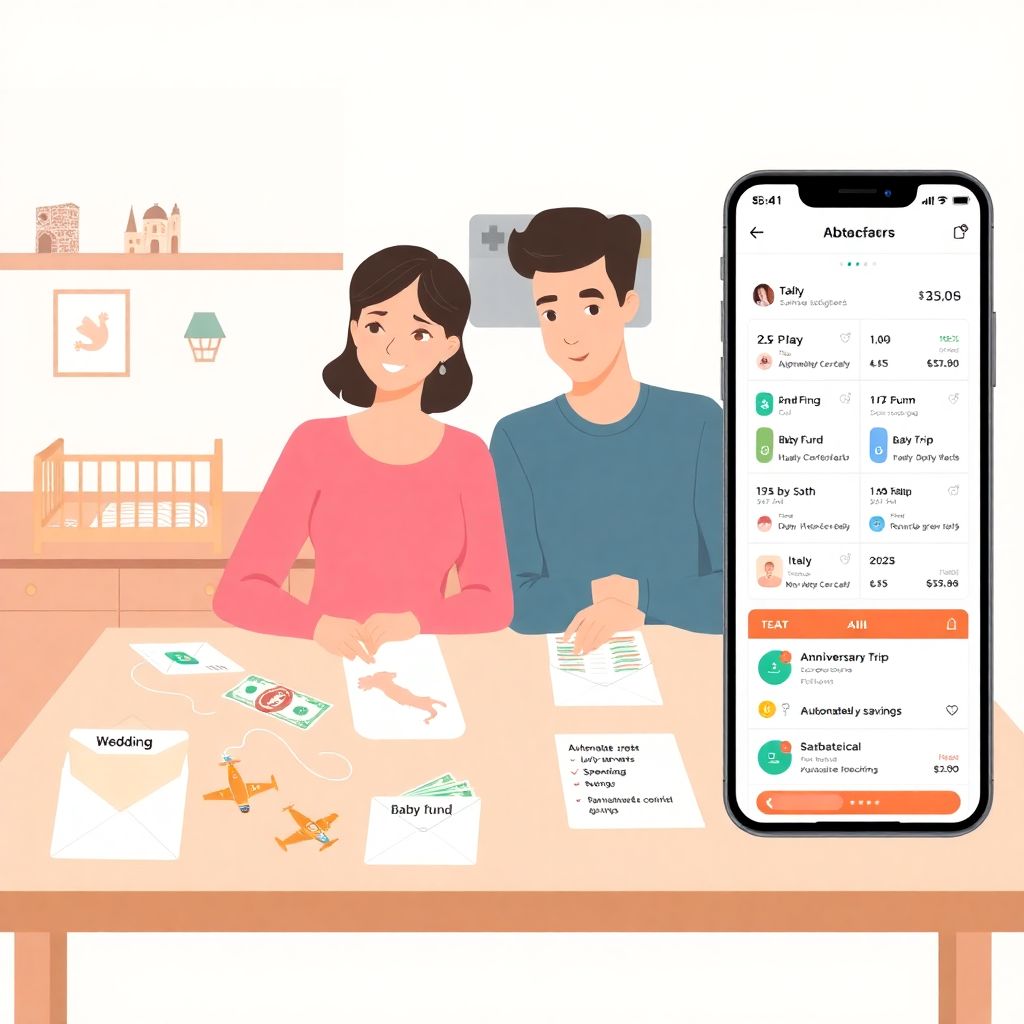
The oldest approach is the envelope system: you pick a goal, write “Wedding” or “Baby fund” on an envelope and feed it cash regularly. It’s visual, simple, and brutally honest – if there’s no cash inside, the money isn’t there. On the other side are digital tools: separate savings spaces inside your banking app, apps that round up purchases, and automated transfers scheduled on payday. Compared with paper envelopes, they are safer, harder to “borrow” from impulsively, and easier to track over time. But they can also feel abstract, so it’s tempting to turn off an auto-transfer the moment life gets noisy, which is why combining both worlds often works best.
Goal-based investment vs pure cash saving
Some people invest for big life goals; others keep everything in cash. For a short-term event within one to three years, staying in cash is usually safer, because market drops can hit right when you need the money.
Technologies That Help You Save (And Their Trade-Offs)
Banking apps and “smart” savings features
Modern banking apps often offer mini-vaults or “pots,” making it easy to open what marketing calls the best savings accounts for special occasions right from your phone. You can label them “Italy trip” or “Baby 2026” and turn on automatic transfers the day your paycheck lands. The pros: you don’t have to think; consistency is outsourced to code. The cons: low interest rates at many big banks and the illusion of progress when you’re actually underfunding your goal. If inflation runs faster than your interest, you’re quietly losing purchasing power. For events more than a year away, it’s worth hunting for high-yield accounts rather than just accepting the first offer in your main banking app, even if that means opening an account with a different institution.
Rounding apps and micro-savings services
Round-up apps that stash spare change from everyday purchases are great for “bonus” money, but they’re too slow for big goals like a down payment or large wedding. Think of them as a nice boost, not the engine.
Comparing Debt-Free Approaches In Real Life
“Save first, decide later” vs “Decide first, then price it down”
One approach to financial planning for major life events is to save a comfortable amount first and only then decide what the occasion will look like. Maybe you quietly build up 10,000 over two years, then design the wedding or sabbatical that fits that number. The upside is that you cannot overspend; the money sets the boundary. The downside is emotional: sometimes you feel like you’re shrinking your dream to fit your savings, which can be demotivating. The reverse approach is to design the ideal event, cost it out in detail, and then attack that specific number. That can be more inspiring, but also dangerous if you ignore warning signs and allow the goal to push you into borrowing “just a little.”
Automated saving vs manual control
Automation wins for most people because willpower is unreliable. Still, if your income is irregular, rigid automatic transfers can bounce or create overdrafts. In that case, manual transfers right after each payment hits your account can make more sense.
Budgeting For Big Purchases Without Credit Cards
Turning the credit card question upside down
Instead of asking how to budget for big purchases without using credit cards, flip the script and ask: “What size purchase still lets me sleep well while saving for it in advance?” Start with your monthly surplus: income minus honest expenses. From that, decide how much you can allocate to a specific milestone without sabotaging your emergency fund or retirement. Then set a target date. The math is simple: cost divided by months equals the monthly amount you need to save. If that number is too high, it’s the purchase that needs to shrink, not your sleep. This is the opposite of typical credit-card thinking, where you pick the thing first and worry about payments later.
Using “trial payments” as a stress test
Before committing to any big purchase plan, try paying the future monthly amount into savings for three months. If it hurts too much, your plan is unrealistic; fix the plan, not your health.
Pros And Cons Of Tech-Centered Saving
Benefits of automation, alerts, and AI tools
Debt free strategies for funding life milestones benefit a lot from technology when it’s used deliberately. Automated transfers, spending alerts, and even basic AI-based budgeting tools help you spot leaks and redirect money toward your goal without daily micromanagement. The main advantages are consistency, speed of feedback, and transparency: you see trends, not just transactions. The drawbacks: subscription creep for “premium” finance apps, data privacy concerns, and the risk of outsourcing all thinking to algorithms. If you blindly follow every app suggestion, you might cut in the wrong places or maintain goals that no longer match your values just because you set them six months ago and forgot to review them. Tech should inform your decisions, not replace them.
Emotional distance: good and bad
Apps make money feel like numbers on a screen, which can reduce impulse spending – but it can also make overspending feel less “real.” Check in with actual feelings, not just dashboards.
Practical Recommendations For Staying Debt-Free
Anchor every goal to a “why” and a number
For each special occasion, write down one sentence: why it matters, and one number: what it costs. “We want a small, paid-in-cash wedding so we can start married life flexible and mobile, total budget 8,000.” This clears the fog. Then split that number into monthly chunks and automate them. If income is tight, cut the scope instead of extending the timeline forever; stale goals drain motivation. When you’re unsure how to save money for a wedding without going into debt specifically, focus on guest count and venue first – those two choices usually drive most of the cost. A smaller, intentional event funded in advance beats a huge party that turns into a five-year repayment plan.
Protecting the rest of your life while you save
Never pause retirement contributions or empty your emergency fund for a party or vacation. Milestones should highlight your life, not weaken its foundation.
Trends And Habits For 2025 And Beyond
Less show, more meaning
In 2025, one clear trend is that people are trading spectacle for intimacy. Micro-weddings, shorter guest lists, local honeymoons, low-key but frequent family trips instead of once-in-a-decade luxury tours – all of this fits naturally with saving in advance. Financial planning for major life events is becoming part of everyday conversation, not something you do only when you’re “rich enough.” Another trend: more couples and families are building joint savings dashboards where each partner can see progress toward shared milestones in real time. That transparency reduces misunderstandings, and when the number grows, it acts like a shared scoreboard: everyone feels invested in cutting a bit here and there to reach the target faster. Social media may still push “bigger,” but personal finances in 2025 reward “paid in full” more than ever.
From one-time goals to a continuous system
The strongest trend is moving from one-off saving sprints to a permanent system: every month, a fixed slice of income flows into multiple goal buckets. Occasions change, but the habit stays, and that’s what keeps debt away.