

Understanding the Prospectus: Your Investment Decoder
Let’s be honest—most people don’t read a fund’s prospectus. Why? Because it looks like a wall of legal text designed to bore you into submission. But here’s the thing: buried inside that document is everything you need to know about where your money is going and what risks you’re taking. If you’re serious about investing smart, learning how to read a prospectus is a game-changer.
What Is a Prospectus, Really?
In simple terms, a prospectus is an official document that mutual funds, ETFs, and other investment vehicles are required to provide. It outlines the fund’s goals, strategies, risks, fees, and past performance. Think of it as the fund’s resume—it tells you what it plans to do and how it plans to do it.
Key Sections to Focus On (Without Falling Asleep)
Skip the fluff and go straight to the good stuff. Here’s what actually matters:
- Investment Objective: What’s the fund trying to achieve? Growth? Income? Preservation of capital?
- Strategy: Does the fund invest in tech stocks, government bonds, or international markets?
- Risk Factors: This section tells you what could go wrong. It’s not fun to read, but it’s crucial.
- Fees and Expenses: Look for the “Expense Ratio.” Even a 1% fee can eat into your returns over time.
- Performance History: Past performance isn’t a guarantee, but it gives context to the manager’s track record.
- Fund Management: Who’s running the show? Experience matters.
Choosing the Right Fund: Different Approaches
There’s no one-size-fits-all strategy when it comes to picking a fund. Your choice depends on your goals, risk tolerance, and how hands-on you want to be. Let’s break down three common approaches:
1. Passive Investing: Set It and Forget It
If you want minimal fuss, low fees, and broad market exposure, index funds or ETFs might be your best bet. These funds simply track a market index (like the S&P 500) and don’t try to beat the market.
Pros:
- Lower fees
- More predictable returns
- Less risk from active manager decisions
Cons:
- Limited upside—you’ll never outperform the market
- No flexibility during market downturns
2. Active Management: Paying for Expertise
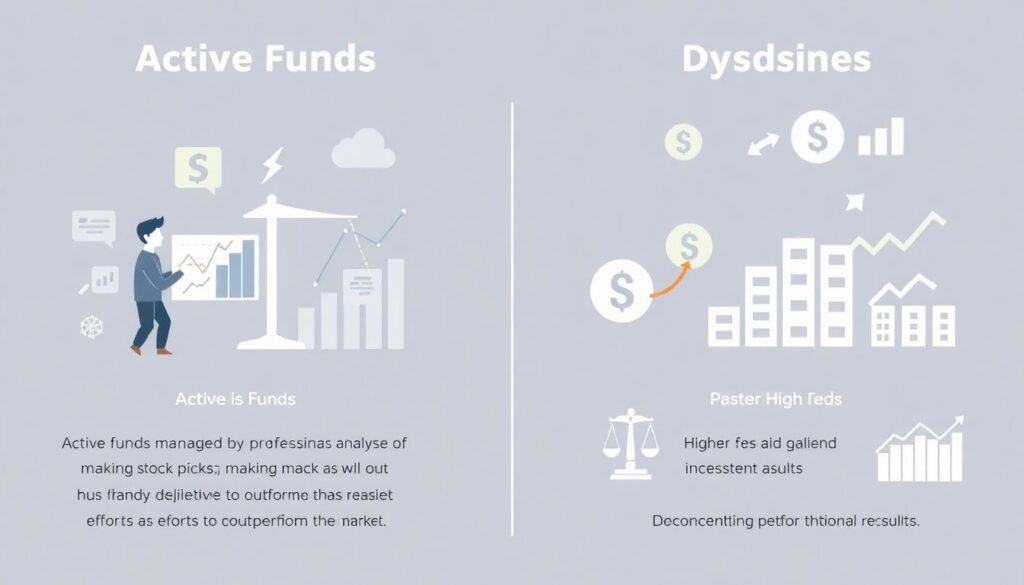
Active funds are managed by professionals who try to outperform the market by picking winning stocks or timing trades. Some succeed, but many don’t.
Pros:
- Potential for higher returns
- Flexibility in volatile markets
Cons:
- Higher fees
- Inconsistent performance
3. Goal-Based Investing: Matching Funds to Life Plans
This approach starts with your goals—say, buying a house in 5 years or retiring in 30—and then chooses funds that align with that timeline and risk level.
Steps to follow:
- Define your goal and timeline
- Assess your risk tolerance (be honest!)
- Choose funds that balance risk and return for your timeframe
This method often leads to a mix of fund types—some aggressive, some conservative—based on your personal roadmap.
Tips for Making Smarter Fund Choices
Reading the prospectus is just the beginning. Here are some practical tips to make sure you’re picking wisely:
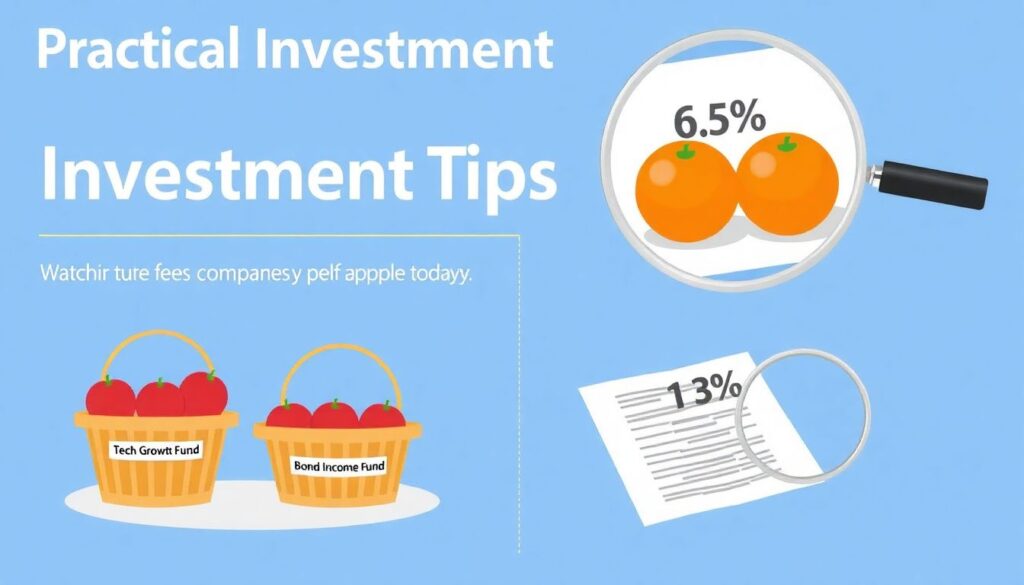
- Compare apples to apples: Don’t compare a tech growth fund to a bond income fund. They serve different purposes.
- Watch the fees: A 0.5% difference in expense ratio might seem small, but over 20 years, it adds up big time.
- Check turnover rate: High turnover means high trading costs and potential tax inefficiencies.
- Look beyond the name: “Global Opportunities Fund” sounds exciting, but always read the fine print.
- Don’t chase past performance: A fund that crushed it last year might flop this year. Focus on consistency.
Final Thoughts: Trust, But Verify
At the end of the day, choosing the right fund is about doing your homework without getting overwhelmed. The prospectus isn’t meant to scare you off—it’s there to protect you. Use it. Read it. Question it. And when in doubt, talk to a financial advisor who can help translate the jargon into plain English.
Investing isn’t about luck—it’s about informed choices. And reading the prospectus? That’s where smart investing starts.