

Comparing Different Saving Approaches
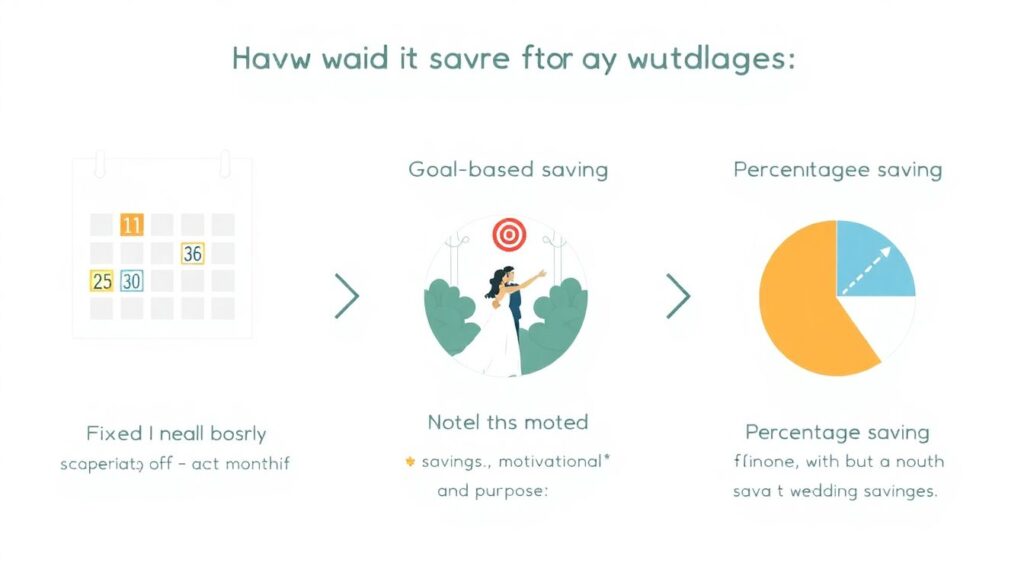
When preparing financially for a wedding, couples typically explore three primary saving strategies: fixed monthly savings, goal-based saving, and percentage-based saving. Fixed monthly savings involve setting aside a consistent amount each month, offering predictability but less flexibility. Goal-based saving, on the other hand, starts with estimating the total wedding cost and working backward to determine how much needs to be saved periodically—this approach aligns well with defined timelines. Lastly, the percentage-based method allocates a certain portion of monthly income toward the wedding fund, which scales with earnings but can be inconsistent. Each approach has merits, and the optimal choice often depends on income stability, wedding timeline, and financial discipline.
Pros and Cons of Financial Technologies
Modern technology has transformed how couples save for major milestones like weddings. Budgeting apps like YNAB and Mint allow users to track progress and control expenses in real time, while digital banks and fintech platforms offer customizable savings goals and automated transfers. These tools enhance transparency and discipline, especially useful when coordinating finances between two people. However, reliance on tech also has drawbacks. Automated features can encourage passive engagement, and security concerns persist around storing personal financial data online. Additionally, not all platforms accommodate joint goals, which can limit collaboration between partners planning their wedding expenses together.
Expert Recommendations on Choosing the Right Method

Financial advisors generally emphasize the importance of personalization when selecting a saving strategy. Experts recommend starting with a candid discussion about the desired wedding scale and a realistic budget. From there, couples should:
– Set a clear savings timeline aligned with their wedding date
– Choose a savings method that matches their income pattern and financial personality
– Review and adjust the budget quarterly to accommodate price changes or new priorities
Incorporating both short-term and long-term financial goals is also essential. For example, advisors often caution against depleting all personal savings for the wedding, suggesting the creation of an emergency buffer fund. Engaging a financial planner for couples with complex financial situations or inconsistent income streams can provide additional structure and reduce stress.
Emerging Trends in Wedding Planning and Saving (2025)
As of 2025, several trends are redefining how couples allocate and manage wedding budgets. Micro-weddings and destination ceremonies have gained popularity, often costing less than traditional events while offering intimate, memorable experiences. Environmentally conscious weddings are also on the rise, prompting couples to invest in sustainable options like digital invitations and local catering. These shifts influence saving behavior—couples are focusing on quality over scale, leading to more targeted and efficient budgeting.
Technology continues to play a larger role, with AI-driven budgeting tools offering predictive analytics based on spending habits and wedding trends. Furthermore, social saving platforms are emerging, allowing friends and family to contribute to wedding funds directly, turning the traditional gift registry into a financial support system. These developments offer more flexibility but require careful planning to avoid overspending or dependence on external contributions.
– Trending cost-saving strategies in 2025 include:
– Opting for off-season or weekday weddings
– Renting attire and décor instead of purchasing
– Leveraging local vendors to cut travel and logistics expenses
Ultimately, successful wedding saving in 2025 blends traditional discipline with modern tools, guided by informed choices and open communication between partners.