
Understanding Margin Debt: What It Is and Why It Matters
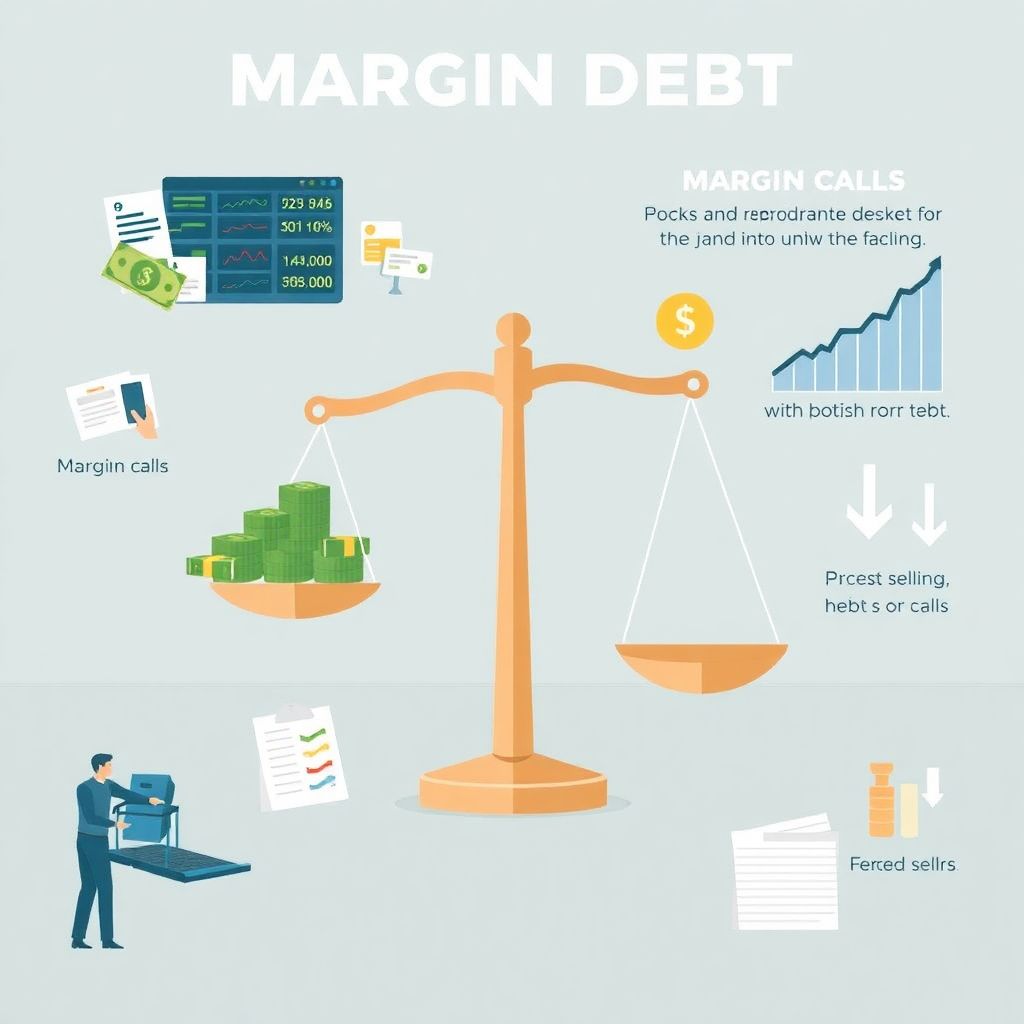
Margin debt might sound like financial jargon, but it’s a concept every investor should understand—especially if you’re dipping your toes into leveraged investing. In simple terms, margin debt refers to money borrowed from a brokerage to buy more securities than you could with your own cash alone. It’s a double-edged sword: it can amplify gains, but also magnify losses.
How Margin Debt Works

When you open a margin account with a broker, you’re essentially getting access to credit. You deposit a certain amount—called the initial margin—and the broker allows you to borrow a percentage of the total purchase price of the securities you want to buy.
For example, if you have $5,000 and your broker offers a 50% margin, you can purchase up to $10,000 worth of stocks. The remaining $5,000 is borrowed from your broker. The borrowed amount is what’s referred to as margin debt.
Why Margin Debt Is a Big Deal
Margin debt isn’t just a personal concern—it’s also a macroeconomic indicator. High levels of margin debt in the market often signal increased investor risk-taking. While this can coincide with bullish behavior, it also increases systemic risk. When markets drop, margin calls (demands to deposit more funds or sell assets) can trigger a cascade of forced selling, accelerating the decline.
The Risks of Using Margin
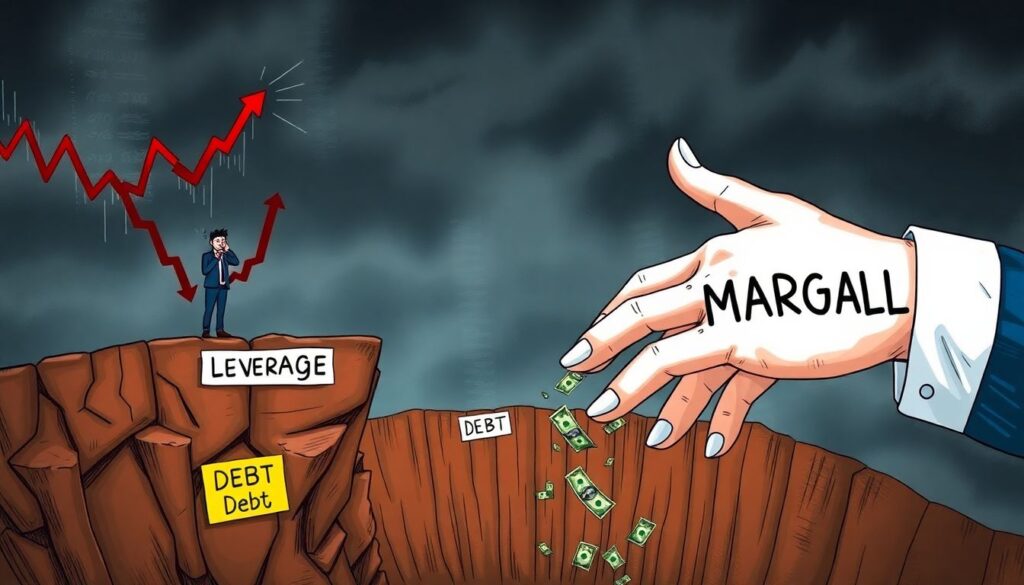
Before you jump into margin trading, it’s vital to understand the potential downsides.
- Leverage amplifies losses: If your investment drops in value, you’re still on the hook for the borrowed money—plus interest.
- Margin calls: If your account value falls below a certain level, you may be forced to deposit more funds or sell your positions at a loss.
- Interest charges: Margin debt accrues interest, which eats into your profits over time.
Real-World Example
Let’s say you buy $10,000 worth of stock using $5,000 of your own money and $5,000 borrowed. If the stock rises 10%, your investment is worth $11,000. After repaying the margin loan, you’re left with $6,000—a 20% return on your $5,000 investment. But if the stock drops 10%, your position is worth $9,000. After repaying the $5,000 loan, you’re left with only $4,000—a 20% loss.
Approaches to Managing Margin Debt
Not all investors handle margin debt the same way. Here are three common strategies:
- Conservative Approach: Use margin only for short-term trades with tight stop-losses. This minimizes exposure and keeps debt manageable.
- Moderate Approach: Use margin selectively on high-conviction trades, while maintaining a cash buffer to handle margin calls.
- Aggressive Approach: Max out margin availability to maximize returns. This is high-risk and not recommended without strong risk management systems.
Each approach has its pros and cons. Conservative investors sleep better at night, but may miss out on bigger gains. Aggressive traders can score huge wins—but also catastrophic losses. Choose your strategy based on your risk tolerance and investment goals.
How to Reduce Margin Debt Risk
If you’re already using margin—or planning to—consider these practical steps to keep risk under control:
- Set personal limits: Don’t rely solely on broker limits. Decide how much you’re truly comfortable borrowing.
- Monitor your positions daily: Margin accounts require active management, not a passive approach.
- Use stop-loss orders: Automate your exit strategy to avoid emotional decision-making.
- Keep a cash buffer: Having extra funds in your account can help you avoid forced selling during a margin call.
- Understand interest costs: Know how much your borrowed money is costing you over time.
Final Thoughts: Margin Debt Isn’t Free Money

Margin debt can be a powerful tool—but only in the right hands. It’s essential to treat it with caution and respect. If you’re not ready to manage the risks involved, it’s better to build your portfolio without leverage. On the flip side, for disciplined and informed investors, margin can offer strategic advantages.
The key is to educate yourself, stay informed, and never borrow more than you can afford to lose. Margin debt is not inherently bad—but misused, it can quickly turn a winning portfolio into a financial headache.