
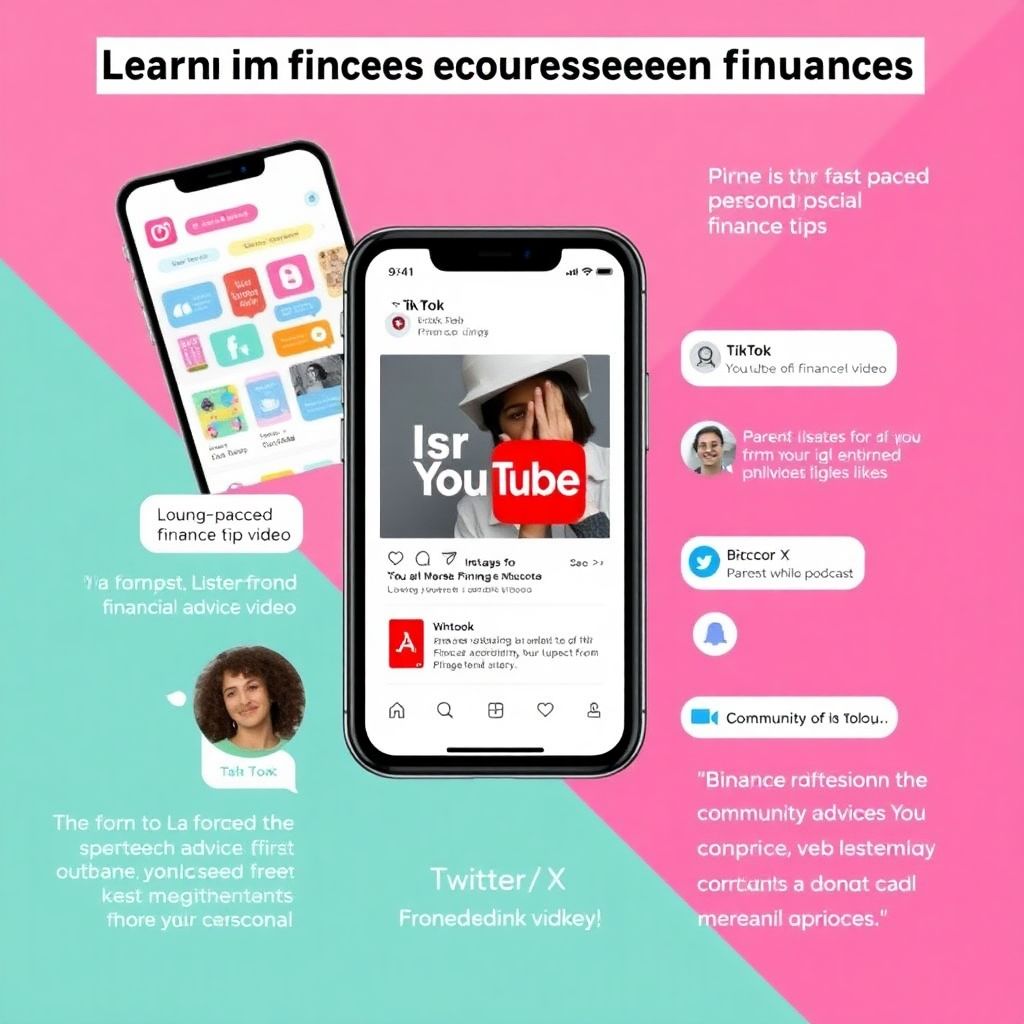
Different Approaches to Learning Personal Finance Through Social Media

Let’s face it: scrolling through Instagram or TikTok seems like the last place to learn about managing money. But dig a little deeper, and you’ll see there’s a whole subculture dedicated to financial literacy. Creators use different styles to break down budgeting, investing, and debt management. Some lean on storytelling — sharing their journey out of $50,000 in credit card debt, for example. Others prefer quick tips or infographics, while finance pros on YouTube or LinkedIn offer long-form explainers. The key difference lies in format and depth. Instagram is visual and easy to digest, TikTok is fast and trend-driven, while YouTube allows for deep dives with visuals and walkthroughs.
What Works for Whom?
If you’re a college student juggling part-time work, TikTok’s bite-sized lessons might fit your lifestyle. A busy parent may prefer podcast-style YouTube videos during chores. And if you’re a spreadsheet lover? Twitter (or X) threads often link to calculators and detailed articles. The beauty of social media is this: you can match your learning style with the right platform. Just remember, not all content is created equal — some creators have credentials, while others are simply good storytellers. That’s not bad, but context matters when you’re trying to make real money moves.
Tech Tools: Boon or Burden?
Social media platforms have evolved into powerful educational tools — when used wisely. Algorithms now push content based on your likes, saves, and shares. That means the more you engage with financial content, the more you’ll see it. But here’s the catch: the same algorithm can create an echo chamber of bad advice. A flashy TikTok about buying crypto at midnight might get millions of views, but that doesn’t make it smart. Tech gives you access, but it doesn’t filter accuracy. That’s why it’s crucial to verify what you’re learning against trusted sources.
Another tech perk? Many creators offer free downloadable templates — budgeting sheets, net worth trackers, savings challenges. These are gold if you’re a visual learner. On the flip side, tracking your finances through multiple apps and platforms can get overwhelming. Notifications, ads, and constant content can distract more than they help, especially if you’re prone to doom-scrolling.
Choosing the Right Source: What to Look For

When it comes to choosing who to follow, think of it like picking a financial advisor — would you trust someone with no experience or credentials? Look for creators who are transparent about their background. Certifications like CFP (Certified Financial Planner) or CPA (Certified Public Accountant) are a green flag. Also, pay attention to how they make money. If their content pushes affiliate links or “get rich fast” programs, be cautious. A good rule of thumb: quality educators focus on long-term financial health, not just viral hacks.
Another tip? Read the comments. A healthy community often asks questions, shares experiences, and even corrects misinformation. Creators who reply thoughtfully and update their content based on feedback are generally more trustworthy. And don’t be afraid to cross-reference — if something sounds too good to be true, Google it or ask in a personal finance subreddit.
Trends to Watch in 2025
As we look toward 2025, a few trends are reshaping how people use social media for financial education. First, AI-generated content is on the rise. While that means faster info, it also opens the door for inaccurate or generalized advice. The solution? Follow creators who balance automation with human expertise. Second, there’s a growing push for financial inclusivity. More BIPOC and LGBTQ+ creators are sharing money tips that reflect their unique challenges, from navigating student loans as a first-gen grad to buying a home while self-employed.
Also gaining traction are “finfluencers” who collaborate with banks or fintech apps to offer real-time saving and investing tips. While these partnerships can be helpful, be wary of sponsored content that blurs the line between education and advertising. Lastly, platforms like Threads and Discord communities are popping up as private, ad-free alternatives to mainstream platforms. These offer a more focused, distraction-free experience — perfect if you’re getting serious about mastering personal finance.
Bottom Line

Using social media to learn about personal finance can absolutely work — if you’re intentional. Choose the right creators, verify what you learn, and pick platforms that match your attention span and learning style. The tools are out there, and they’re getting better. But don’t let a flashy reel or viral post replace your judgment. Education is a journey, not a swipe.