

Smart Ways to Save on Travel Without Sacrificing Fun
Step 1: Plan Ahead, But Stay Flexible
The most effective way to save on travel begins long before you pack your bags. Booking flights and accommodations several months in advance often unlocks lower prices. However, flexibility with your travel dates and destinations can make an even bigger impact. Tools like Google Flights’ date grid or Hopper’s predictive algorithms help identify the cheapest days to fly. Traveling mid-week or during shoulder seasons—such as late spring or early fall—can significantly reduce costs while avoiding crowds. Flexibility doesn’t mean randomness; it means optimizing around patterns of demand.
Beginner Tip: Avoid rigid itineraries. Locking in every hour can lead to expensive rebookings and missed opportunities. Leave some space for spontaneous discoveries.
Common Mistake: Booking last-minute with hope for “flash deals” often costs more, especially in popular destinations. Relying solely on last-minute apps can backfire during high season.
Step 2: Rethink Where You Stay
Hotels are no longer the default lodging option. With the rise of platforms like Airbnb, Booking.com, and trusted house-sitting networks, travelers in 2025 have more economical and immersive alternatives. Hostels have evolved too, offering private rooms with boutique flair. In many cities, short-term apartment rentals not only cost less but also provide kitchens, reducing the need to dine out.
For extended stays, consider “slow travel”—spending more time in fewer places. Many landlords offer weekly or monthly discounts, and staying longer allows deeper cultural immersion at a lower daily cost.
Beginner Tip: Always read recent reviews and check for hidden fees like cleaning charges or tourist taxes, which can skew the price comparison.
Common Mistake: Choosing the cheapest accommodation without considering location. Staying far from city centers can result in high transport costs that cancel out the savings.
Step 3: Maximize Transportation Savings
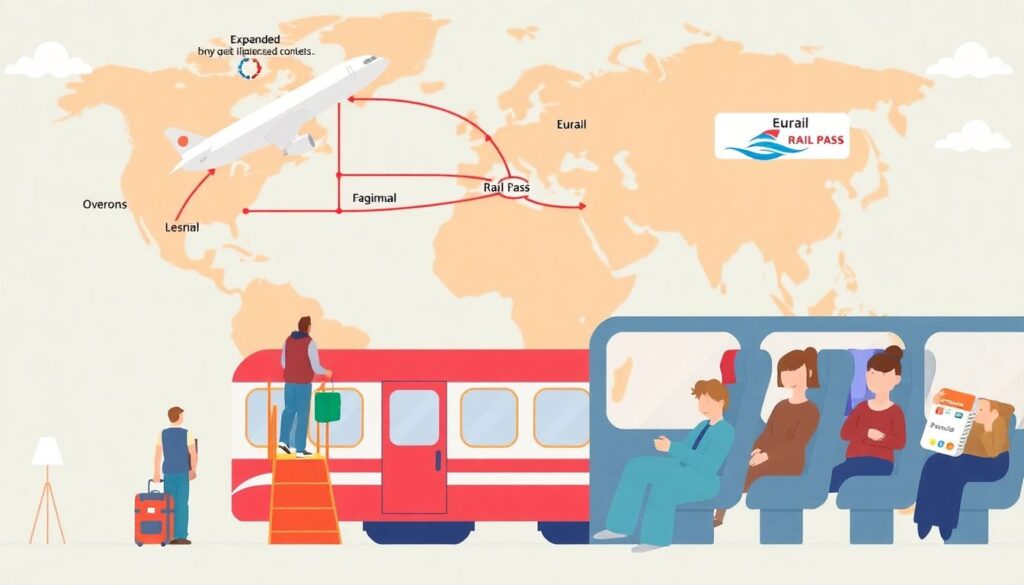
Airfare often takes the largest slice of a travel budget, but it doesn’t have to. In 2025, budget airlines have expanded routes across continents, and rail passes (like Eurail or Japan Rail Pass) remain cost-effective for regional travel. Consider overnight trains or buses: they save on one night of accommodation and transport you while you sleep.
Rideshare apps and public transit cards can also cut costs in urban areas. In countries with efficient transport networks, like South Korea or Germany, tourists can benefit from regional passes or prepaid cards offering unlimited rides.
Beginner Tip: Use incognito mode when searching flights to avoid price manipulation based on cookies.
Common Mistake: Ignoring baggage policies. Budget airlines often lure travelers with low base fares but charge steep fees for carry-ons or checked luggage.
Step 4: Eat Like a Local
Dining out every meal can quickly inflate your budget. Instead, explore local markets, food stalls, and grocery stores. In 2025, culinary tourism has evolved to celebrate authentic, local experiences—giving travelers tasty yet affordable options. Street food, especially in Southeast Asia or Latin America, offers vibrant flavors for a fraction of restaurant prices.
Cooking your own meals occasionally, especially if your lodging includes a kitchen, not only saves money but also deepens your cultural experience. Attend local cooking classes or food tours—they’re fun, educational, and often include meals.
Beginner Tip: Ask locals or use apps like Eatwith or TheFork to find hidden gems with great value.
Common Mistake: Dining near major tourist attractions, where menus are overpriced and quality often suffers. Walk a few blocks away for better food and prices.
Step 5: Prioritize Free and Low-Cost Experiences
Many of the world’s best experiences are free or cost very little. Public parks, beaches, hiking trails, and historical neighborhoods offer rich cultural insights without an entry fee. Museums often have free days or discounted evenings. In 2025, more cities offer digital city passes bundling attractions at a reduced rate.
Walking tours—especially those operated on a “pay what you can” model—are a great way to learn about a destination while meeting other travelers. Festivals, street performances, and cultural events offer spontaneous enjoyment without draining your wallet.
Beginner Tip: Research local events calendars before arriving. Many memorable experiences are seasonal or tied to local holidays.
Common Mistake: Overpaying for guided tours that can be easily self-guided using free apps or downloadable maps.
Step 6: Use Technology to Your Advantage
In 2025, travel tech has become smarter and more personalized. AI-powered apps like TripIt or Roadtrippers help you build efficient itineraries, while price-tracking tools alert you to deals in real-time. Currency converter apps and mobile banking reduce the risk of overpaying or being caught off guard by dynamic pricing.
Loyalty programs and travel credit cards offer points, cashback, and perks like free checked bags or airport lounge access. Even budget travelers can benefit by strategically aligning purchases with reward systems.
Beginner Tip: Set up travel alerts and subscribe to deal newsletters like Scott’s Cheap Flights or Secret Flying.
Common Mistake: Ignoring roaming charges or relying solely on Wi-Fi. Invest in a local SIM card or eSIM to stay connected affordably.
Looking Ahead: The Future of Budget Travel (2025 and Beyond)
As we move further into the decade, sustainable and budget-friendly travel are converging. Climate-conscious travelers are opting for slower, overland journeys that reduce carbon footprints while enhancing cultural depth. The rise of digital nomadism has led to an explosion of “workation” hubs offering extended-stay discounts and co-living options.
Artificial intelligence is reshaping how travelers plan and adapt trips. By 2025, many booking platforms offer dynamic pricing that rewards flexibility or off-peak travel. Blockchain-based loyalty programs are emerging, allowing travelers to earn and redeem points across providers seamlessly.
In the near future, expect more decentralized travel planning, peer-to-peer experiences, and customizable travel bundles that adjust in real-time based on preferences, weather, or budget constraints. The tools to save are becoming more sophisticated—but so are the traps. Staying informed and flexible remains key.
Final Thought: Budget travel in 2025 is no longer about deprivation. With the right approach, it’s a gateway to richer, more authentic experiences—without breaking the bank.