

Why Financial Planning for Artists Actually Matters
If you’re an artist, designer, musician, or any kind of creative, chances are you didn’t get into your craft for the spreadsheets. But here’s the truth: without a solid financial base, your creative freedom can get seriously limited. Financial planning for artists isn’t about selling out — it’s about buying time, tools, and peace of mind to keep creating.
Let’s be real: inconsistent income, freelance gigs, and feast-or-famine cycles are common in creative industries. That’s why planning ahead isn’t optional — it’s survival. And yes, it’s totally doable, even if you’ve never touched a budget in your life. Let’s break it down.
Start with a Realistic Budget (Not a Fantasy One)
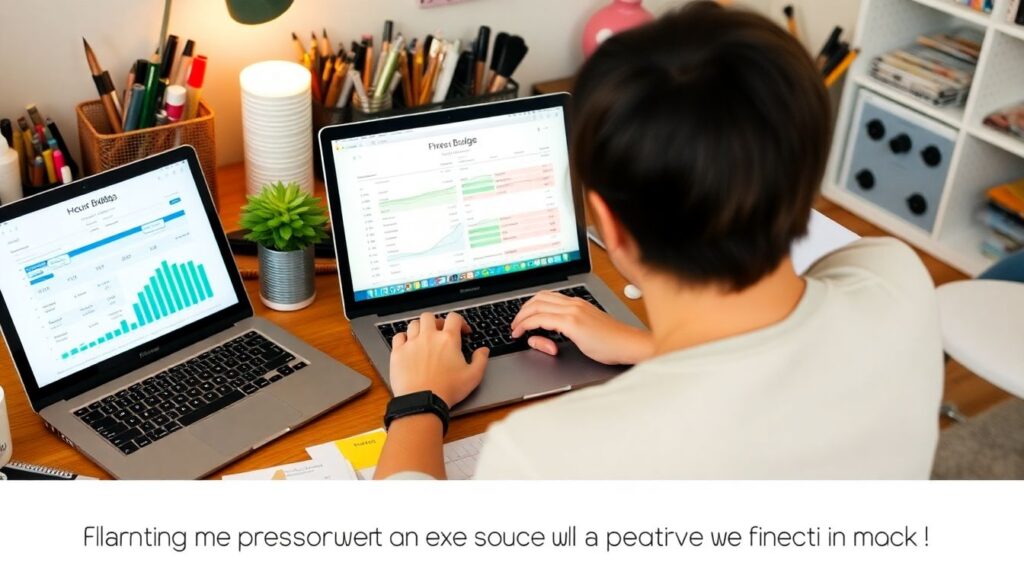
One of the most practical budgeting tips for creatives is to ditch the idea of a “perfect month.” Your income might vary, but your bills don’t. Start by calculating your average monthly income over the past 6–12 months. Then, list your fixed and variable expenses — rent, food, software subscriptions, studio space, etc.
Here’s a quick way to structure it:
1. Track your income sources – freelance gigs, commissions, royalties, teaching, etc.
2. List essential expenses – rent, food, insurance, phone, internet.
3. Account for creative costs – materials, tools, marketing, website hosting.
4. Set aside a buffer – aim for at least one month’s worth of expenses.
Pro tip from financial coach Lisa Anderson: *“Treat your art like a business. That means knowing your numbers, even when they’re messy.”*
Separate Personal and Creative Finances
Mixing personal and professional finances is a fast track to confusion. Open a separate bank account just for your creative work. Not only does this help with money management for creatives, but it also makes tax season way easier.
Use this account to:
– Collect payments from clients or platforms
– Pay for materials and tools
– Track profits and losses clearly
It’s a small step that makes a big difference when you’re trying to understand where your money’s going — and how to make it work harder for you.
Build an Emergency Fund (Yes, You Need One)

Being a creative often means riding out dry spells. Maybe a big client ghosts you, or a gallery postpones a show. That’s where an emergency fund comes in. Start small — even $25 a week adds up.
Aim for 3–6 months of living expenses. Keep it in a high-yield savings account you don’t touch unless it’s truly an emergency (no, new paintbrushes don’t count).
Invest in Your Craft — Strategically
When thinking about investment strategies for artists, it’s not just about stocks and bonds. It’s also about investing in your skills, tools, and visibility.
Smart investments might include:
– A course to level up your technique or business skills
– A better camera to photograph your work
– A website redesign to showcase your portfolio professionally
Creative business consultant Marco Liu says: *“Think ROI — return on imagination. Will this investment help you create more, sell more, or grow your audience?”* If yes, it’s worth considering.
Plan for Long-Term Financial Growth
Short-term survival is important, but don’t skip the long game. Financial growth for artists looks different depending on your goals. Maybe you want to buy a home, fund a sabbatical, or build a retirement fund. These things require planning.
Here’s how to start:
1. Automate savings – set up auto-transfers to savings or investment accounts.
2. Explore retirement options – freelancers can use IRAs or solo 401(k)s.
3. Diversify income – think prints, merch, Patreon, online classes.
The key is to treat your future self like a client — one who deserves stability and freedom.
Track, Adjust, Repeat
Even the best plan needs tweaking. Set a monthly “money date” with yourself. Review what came in, what went out, and what surprised you. Adjust your budget or goals as needed.
Use tools like:
– YNAB (You Need a Budget)
– Wave or QuickBooks for invoicing
– Google Sheets for simple tracking
The goal isn’t perfection — it’s awareness and intention. That’s where real growth happens.
Final Thoughts: Money Is Just Another Medium

At the end of the day, financial planning for artists is about giving your creativity the space it needs to thrive. Think of money as another medium — like clay, paint, or sound. Learn how to shape it, and you’ll be able to build the career (and life) you actually want.
No gatekeepers. No starving artist myths. Just you, your craft, and a plan that makes it sustainable.